
Former Prosecutor
of 20 Years on
Your Side
of 20 Years on
Your Side









Missouri’s lakes, rivers, forests, conservation areas, and public lands are a major part of life in Taney County and throughout Southwest Missouri. For many people, hunting, fishing, boating, camping, hiking, and using conservation areas are ordinary family traditions. A citation from a Missouri Department of Conservation agent can feel confusing because it may not seem like a typical criminal charge. However, wildlife and conservation area violations can still carry real consequences.
A conservation ticket may involve more than paying a fine. Depending on the allegation, a person may face a misdemeanor charge, court costs, restitution, loss of hunting or fishing privileges, seizure of equipment, increased scrutiny by conservation agents, or a record that can affect future opportunities. For hunters, anglers, landowners, guides, tourists, and outdoor enthusiasts, the practical consequences can matter as much as the court penalty.
Scrivner Law Firm represents individuals charged with wildlife, hunting, fishing, trapping, and conservation area violations in Taney County and surrounding Southwest Missouri courts. The firm is led by attorney Dayrell Scrivner, a former prosecutor with more than 30 years of legal experience. His background helps clients understand how the government may approach a conservation case, how evidence is reviewed, and what options may be available to challenge or resolve the charge.
A Missouri conservation citation may arise from a traffic stop, a field contact with a conservation agent, a boat ramp encounter, a complaint from a landowner, a check station issue, a trail camera investigation, or a stop inside a conservation area. The accusation may appear minor at first, especially if the citation lists a payable fine. Still, paying the ticket can be treated as an admission or conviction in many situations. Before doing that, it is important to understand what the ticket alleges and what collateral consequences may follow.
Wildlife cases often involve rules that are highly specific. A person may be accused of hunting in the wrong place, using the wrong method, failing to tag wildlife correctly, possessing wildlife unlawfully, fishing without the proper permit, entering a restricted area, using bait where bait is prohibited, taking wildlife outside a season, exceeding a limit, or violating a conservation area regulation that was posted on a map, sign, brochure, or special rule.
The facts matter. The person cited may have misunderstood a boundary line. A tag may have been completed but not in the precise manner an officer expected. A permit may have been purchased but not physically available. A hunter may have relied on another person’s statement about permission. A visitor may have entered a conservation area without noticing hours, closure signs, or special regulations. Those details can shape the defense.
Missouri wildlife and conservation cases are governed by a combination of statutes, regulations, and area specific rules. The Missouri Department of Conservation regulates hunting, fishing, trapping, possession of wildlife, permits, seasons, methods, limits, and use of department areas.
RSMo 252.040 is one of the key statutes. It prohibits the pursuit, taking, killing, possession, or disposal of wildlife except as permitted by Missouri conservation rules and regulations. A violation of this section is generally treated as a misdemeanor, although certain record keeping violations for licensed fur buyers and dealers may be infractions with specific fines.
RSMo 252.042 allows additional restitution in certain cases involving illegally chasing, pursuing, killing, processing, or disposing of wild turkey, paddlefish, antlered white tailed deer, black bear, or elk in violation of methods, seasons, or limits. Restitution may range from hundreds to thousands of dollars depending on the species.
RSMo 578.520 addresses unlawful fishing, hunting, or trapping on private land. A person commits this offense if he or she fishes, hunts, traps, or retrieves wildlife from private land without permission from the owner or lessee. The statute also allows the court to require surrender of hunting, fishing, or trapping permits and directs notice to the Conservation Commission, which may affect privileges. The offense is a class B misdemeanor.
RSMo 253.200 prohibits pursuing, catching, killing, or taking wildlife within state park boundaries unless authorized by written provisions issued by the Department of Natural Resources and in conformity with Missouri Department of Conservation rules.
RSMo 252.210 makes it unlawful to place, run, or drain a harmful substance into Missouri waters in quantities sufficient to injure, stupefy, or kill fish, subject to limited exceptions involving approved industrial discharges.
Missouri conservation area rules are also found in Title 3, Division 10 of the Missouri Code of State Regulations. Chapter 11 includes special regulations for department areas. These rules address general use of conservation areas, closures, pets and hunting dogs, vehicles, bicycles, horses, camping, tree stands, target shooting, blinds, boats, hunting, trapping, fishing, and feral swine. A person cited on conservation land may be accused of violating not only a statewide wildlife rule, but also a special rule for that particular area.
Wildlife and conservation area cases cover a wide range of allegations. Some involve intentional poaching accusations. Others involve technical violations, mistakes, confusion over permits, or disputes over boundaries. Scrivner Law Firm can review cases involving allegations such as hunting or fishing without a valid permit, failing to carry or sign a permit, taking wildlife out of season, exceeding daily or possession limits, improper tagging, unlawful possession of wildlife, illegal transportation of wildlife, hunting from or across a public roadway, using artificial light to take wildlife, baiting violations, trapping violations, unlawful use of firearms or archery equipment, and fishing method violations.
Conservation area violations may include being present during closed hours, entering an area closed due to high water or refuge restrictions, parking or storing vehicles during closed hours, operating vehicles outside permitted areas, camping where camping is prohibited, using a tree stand improperly, leaving a stand or blind in violation of rules, placing grain or minerals on department land, using trail or game cameras where prohibited, damaging department property, digging or excavating, unauthorized commercial use, and violating posted area restrictions.
A person may also face allegations connected to state parks, Corps of Engineers property, public lake access points, private land adjacent to public land, or waters where fishing and boating rules overlap with conservation regulations. The charge may look simple on paper, but the legal issue often depends on the specific location, the map, the signage, the species involved, the permit held, and the date of the alleged violation.
Many people assume that a conservation citation is like a parking ticket. That assumption can be risky. Some Missouri wildlife violations are misdemeanors. A misdemeanor conviction can create a criminal record, affect employment applications, and create problems for people who hold professional licenses, commercial driving credentials, security clearances, or positions of trust.
For hunters and anglers, the loss of privileges may be the biggest concern. A conviction can lead to license or permit consequences, especially in cases involving private land, repeat violations, or serious wildlife allegations. Missouri also uses a point system for Wildlife Code violations to identify serious and repeat offenders. Accumulating violations can create future consequences beyond the first court appearance.
Restitution can also be significant. Cases involving deer, turkey, paddlefish, elk, or black bear may result in additional financial penalties under Missouri law. Equipment may be seized in some investigations. Firearms, bows, vehicles, boats, fishing gear, or harvested wildlife may become evidence. The emotional toll can be substantial as well, especially when the case involves a long standing family hunting tradition, a first time mistake, or an allegation that does not match what actually happened.
A defense strategy begins with the facts. In wildlife and conservation area cases, the most important questions often involve authority, location, identification, timing, knowledge, permission, and compliance.
Location can be crucial. Was the person actually inside a department area, state park, refuge, private parcel, or restricted zone? Were the boundaries clearly marked? Did the area map match the signage on the ground? Was the person on public water, private land, or a boundary area where access rights may be disputed?
Permission can also be central. In private land hunting or fishing cases, the prosecution must address whether the defendant lacked permission. In some cases, the defendant had permission from someone believed to have authority, entered land that was open to the public, or retrieved wildlife under circumstances that may support a defense.
The method of take may matter. Was the alleged method actually prohibited for that species, area, or season? Was the equipment being used, transported, or merely present? Was the person hunting or simply scouting, hiking, camping, boating, or traveling through the area?
Identification may be disputed. Conservation investigations sometimes rely on reports from witnesses, photos, trail cameras, check station information, social media posts, or statements made in the field. The defense may need to examine whether the right person was identified, whether wildlife was accurately attributed to the defendant, and whether the agent’s conclusions are supported by reliable evidence.
The stop or search may also be important. Conservation agents have enforcement powers, but constitutional protections still matter. Questions may arise about whether a stop, detention, search, seizure, or questioning was lawful. Statements made during a field encounter can become central evidence, so it is important to examine exactly what was asked, what was said, and whether the context was fairly recorded.
Missouri conservation areas do not all operate under one identical set of rules. Some statewide rules apply broadly, but specific areas may have additional restrictions. A department area may have special rules for hunting seasons, dog training, camping, vehicle access, shooting ranges, boats, blinds, deer hunting, turkey hunting, waterfowl hunting, fishing limits, or refuge closures.
For example, 3 CSR 10-11.115 generally provides that department areas are open to public use only from 4:00 a.m. to 10:00 p.m., unless an authorized activity or area specific rule allows use outside those hours. Some areas are governed by posted hours. Others may close due to flooding, refuge status, or special management conditions.
The general provisions in 3 CSR 10-11.110 explain that department areas may be used only as authorized by Chapter 11, signs, area brochures, or maps. This means that an alleged violation may turn on a posted restriction or an area brochure that the state claims applied at the time. A defense lawyer may need to examine whether the rule was properly applicable, whether the sign was visible, whether the map was clear, and whether the defendant’s conduct was actually prohibited.
Taney County and the Branson area attract visitors from across Missouri and other states. Many people come to fish, boat, camp, hike, hunt, and enjoy the outdoors around Table Rock Lake, Lake Taneycomo, Bull Shoals Lake, and nearby public lands. Visitors may not realize that Missouri’s rules differ from rules in their home state. They may also misunderstand trout rules, permit requirements, lake boundaries, public access points, or regulations that apply to conservation areas.
Local residents can face the same problem. Outdoor rules change by species, season, county, area, and method. A hunter who has followed the law for years can still be accused of a violation because of a tagging mistake, a change in regulations, a map misunderstanding, or a dispute about landowner permission.
Scrivner Law Firm helps clients separate assumptions from evidence. The goal is not simply to explain what the citation says, but to determine what the state can prove and what consequences can be avoided or reduced.
Attorney Dayrell Scrivner’s experience as a former prosecutor provides valuable insight into how cases are built and evaluated. He understands how government lawyers assess evidence, how officers document field contacts, and how negotiations may unfold. That perspective can be especially useful in cases where the allegation involves a mix of technical regulations and disputed facts.
The defense may involve reviewing the citation, officer reports, body camera footage, photographs, maps, permits, tags, harvest records, landowner communications, GPS information, witness statements, and any seized evidence. In some cases, the best approach may be to challenge the charge directly. In others, the focus may be on reducing the allegation, limiting collateral consequences, protecting hunting or fishing privileges, avoiding a lasting record, or negotiating a result that accounts for the client’s lack of intent.
Every case is different. A first time permit mistake should not be treated the same as an intentional poaching allegation. A boundary misunderstanding should not be treated the same as knowingly entering private land. A conservation area hours violation should not be treated like a serious wildlife taking case. Scrivner Law Firm works to present the facts clearly and push for an outcome that fits the actual conduct, not an exaggerated version of the accusation.
A wildlife or conservation area citation can affect your record, your outdoor privileges, your finances, and your reputation. Before paying a ticket or appearing in court without advice, it is worth having the charge reviewed by a defense attorney who understands Missouri criminal procedure and the practical issues that arise in conservation cases.
Scrivner Law Firm represents clients in Taney County and throughout Southwest Missouri who are facing hunting, fishing, trapping, wildlife possession, private land, state park, and conservation area allegations. Whether your case involves an honest mistake, a disputed boundary, a permit issue, or a serious accusation, the firm can help you understand the charge, evaluate the evidence, and decide how to move forward.
Contact Scrivner Law Firm to discuss your wildlife or conservation area violation defense and the options available in your case.
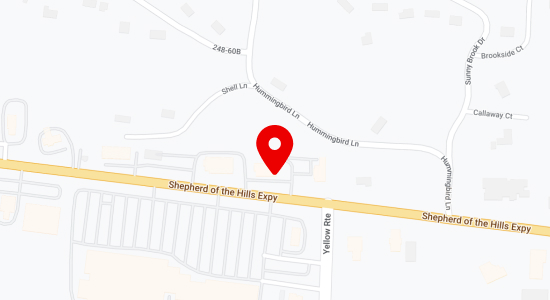
Please note that our law firm's address is for mail correspondence only. We do not accept in-office visits to this location. To schedule an appointment or consult with an attorney, please contact us via phone or email. Our contact information is readily available on our website. We look forward to hearing from you and strive to supply efficient and accessible legal services to our clients.
Branson, MO 65616