
Former Prosecutor
of 20 Years on
Your Side
of 20 Years on
Your Side









A tax fraud accusation can feel different from many other criminal charges because it often begins quietly. A taxpayer may first receive a letter, a notice of deficiency, a request for records, or a call from an investigator. A business owner may believe the issue is an accounting mistake, a late filing, a payroll problem, or a disagreement over deductions. Then the matter suddenly becomes more serious. The government may start asking whether the person acted intentionally, concealed income, filed a false return, failed to pay over taxes, or provided misleading information.
Scrivner Law Firm represents people facing criminal investigations and charges in Taney County and the surrounding Missouri communities. The firm is led by attorney Dayrell Scrivner, a former prosecutor with more than 30 years of legal experience, including approximately 20 years as a prosecutor. That background matters in a tax fraud case because these cases often turn on proof of intent, the interpretation of records, and the difference between a civil tax dispute and criminal conduct.
Tax fraud cases can involve state taxes, federal taxes, or both. Some cases begin with the Missouri Department of Revenue. Others involve the Internal Revenue Service, federal agents, or a United States Attorney’s Office. Even when the facts appear financial or administrative, the consequences can include jail, prison, fines, restitution, business disruption, professional licensing issues, and long-term damage to a person’s reputation. The earlier you speak with a defense attorney, the more opportunity there may be to protect your rights before the case is shaped entirely by investigators or prosecutors.
Tax fraud generally refers to intentionally dishonest conduct connected to taxes. It is not the same as making a mistake, misunderstanding a form, relying on bad bookkeeping, or being unable to pay a tax bill on time. Criminal tax cases usually require proof that the accused person acted willfully, knowingly, or with fraudulent intent.
The government may look for conduct such as underreporting income, inflating deductions, keeping two sets of books, using false invoices, hiding cash receipts, misclassifying workers, failing to remit sales tax, failing to pay over employee withholding, submitting false statements, or refusing to provide required records. In some cases, the alleged fraud is tied to a business. In others, it involves an individual income tax return, a family business, a contractor, a landlord, a cash-heavy operation, or a professional practice.
A key issue in many cases is whether the evidence shows intentional fraud or a noncriminal explanation. People can fall behind on filings. Businesses can have disorganized records. A bookkeeper may make errors. A taxpayer may misunderstand which expenses are deductible. A person may rely on a preparer, accountant, payroll service, or employee. Those facts do not automatically prevent prosecution, but they may become central to the defense.
Missouri tax cases may involve several statutes, depending on the type of tax and the alleged conduct. For state income tax matters, Missouri Revised Statutes Section 143.931 makes it a crime for a person required to pay a tax, make a return, keep records, or supply information to willfully, with intent to defraud, fail to pay the tax, make the return, keep the records, or supply the information when required. The statute provides for a fine of not more than $10,000, imprisonment in the county jail for not more than one year, imprisonment for not less than two years and not more than five years in the state penitentiary, or both fine and imprisonment, together with the cost of prosecution.
Missouri Revised Statutes Section 143.751 addresses additions to tax for negligence, intentional disregard of rules, fraud, and certain withholding-related failures. If part of a deficiency is due to fraud, the statute provides for an addition to tax equal to 50 percent of the deficiency. It also addresses penalties for certain failures involving taxes that must be collected, accounted for, and paid over.
Missouri Revised Statutes Section 143.711 is important because it affects the time for assessment. In ordinary situations, the Department of Revenue may be limited by statutory deadlines. However, if no return is filed or a false and fraudulent return is filed with intent to evade tax, a notice of deficiency may be mailed at any time.
Sales and use tax cases can be especially serious for business owners. Missouri Revised Statutes Section 144.490 addresses false returns or false statements relating to sales tax due under Sections 144.010 to 144.510. A person who willfully makes a false return or false statement in a return filed with or transmitted to the Director of Revenue may face a fine of up to $10,000, county jail for up to one year, imprisonment for not less than two years and not more than five years, or both fine and imprisonment, together with prosecution costs.
Missouri Revised Statutes Section 144.740 contains similar penalty language for false returns or false statements related to taxes due under Sections 144.600 to 144.745. Depending on the kind of tax involved, additional Missouri statutes may apply. For example, tobacco tax matters can involve Section 149.076, which prohibits incomplete, false, or fraudulent returns and attempts to evade disclosure or payment, and provides felony penalties for certain false reports, applications, or entries related to cigarettes.
Some tax fraud investigations involve federal law. Federal cases may be handled by the IRS Criminal Investigation division and prosecuted in federal court. Federal tax crimes carry their own penalties and often involve extensive document review, witness interviews, accountant testimony, bank records, and business records.
Under 26 U.S.C. Section 7201, tax evasion is a felony. The statute applies to a person who willfully attempts in any manner to evade or defeat a tax or the payment of a tax. A conviction can result in a fine of up to $100,000 for an individual, up to $500,000 for a corporation, imprisonment for up to five years, or both, plus costs of prosecution.
Under 26 U.S.C. Section 7203, willful failure to file a return, supply information, keep records, or pay tax can be prosecuted as a federal crime. The statute generally provides for a fine of up to $25,000 for an individual, up to $100,000 for a corporation, imprisonment for up to one year, or both, plus costs of prosecution.
Under 26 U.S.C. Section 7206, fraud and false statement offenses may apply when someone willfully signs a return, statement, or other document under penalties of perjury that the person does not believe to be true and correct as to every material matter. It can also apply to aiding or assisting in the preparation of a false or fraudulent document. These cases are not limited to the person whose taxes are being filed. A preparer, business partner, manager, or other participant may also become a target depending on the facts.
Tax fraud cases can begin in several ways. A taxpayer may be audited. A business may be selected for a sales tax review. A former employee, former spouse, business partner, competitor, or customer may make a complaint. A bank may submit information that triggers questions. A federal investigation into one person may lead investigators to another person’s records. Payroll tax issues may draw attention if employee withholding was collected but not remitted.
Many people first assume the issue can be fixed by sending in paperwork or calling the agency directly. Sometimes that is true. But when intent, false statements, missing records, or concealment are being discussed, casual explanations can be risky. A person who speaks without understanding the criminal exposure may unintentionally make statements that are later used against them.
That does not mean a person should ignore tax notices. It means the response should be careful. A defense lawyer can help determine whether the matter appears civil, criminal, or potentially both. The strategy may differ depending on whether investigators are seeking documents, requesting an interview, issuing subpoenas, contacting employees, or working with prosecutors.
The line between a tax mistake and tax fraud is often the heart of the case. The government may point to patterns. Did the person repeatedly omit income? Were cash receipts handled differently from credit card payments? Were deductions supported by records? Were employees paid under the table? Were personal expenses run through a business? Did the taxpayer receive notices and ignore them? Did the person lie to an accountant or instruct someone else to create misleading records?
The defense may focus on a different story. The records may show confusion rather than concealment. The taxpayer may have relied on an accountant, bookkeeper, payroll company, spouse, employee, or tax preparer. The business may have grown faster than its systems. Records may have been incomplete, but not intentionally false. The person may have lacked the required criminal intent. The government may have misunderstood how the business operated.
In a criminal case, prosecutors generally must prove guilt beyond a reasonable doubt. When the charge requires willfulness or intent to defraud, the defense should look closely at whether the evidence truly proves a deliberate violation of a known legal duty.
A strong defense starts with the documents. Tax cases are built on returns, ledgers, bank statements, invoices, receipts, payroll records, sales reports, point-of-sale data, communications, accountant files, and correspondence with tax authorities. The defense must understand what the government thinks the records prove and whether that conclusion is fair.
Several issues may be important. The government may have calculated the alleged tax loss incorrectly. Agents may have ignored legitimate business expenses. Deposits may have been counted as income even though they were loans, transfers, reimbursements, gifts, or nontaxable funds. A business may have collected sales tax but later experienced cash flow problems, creating a payment issue rather than a fraud scheme. A taxpayer may have signed a return without understanding that a preparer had made an error.
Witnesses also matter. A bookkeeper, accountant, employee, business partner, or family member may have information that explains how records were created and who had responsibility for filing, payments, and reporting. In some cases, the person accused of fraud did not control the relevant account, did not prepare the return, or did not know the return contained inaccurate information.
Dayrell Scrivner’s background as a former prosecutor gives Scrivner Law Firm practical insight into how criminal cases are evaluated. Prosecutors look at whether the evidence can prove each legal element, how witnesses will appear in court, whether records are clear or confusing, and whether the accused person’s conduct appears intentional. In a tax fraud case, those questions can be more complicated than in a case based on a single event.
The defense should not assume that every tax discrepancy will become a criminal conviction. At the same time, it should not underestimate how seriously the government treats alleged tax fraud. A carefully prepared defense can help identify weaknesses in the state’s or federal government’s theory, challenge unsupported assumptions, and present mitigating information where appropriate.
Scrivner Law Firm serves clients in Taney County, including Branson, Forsyth, Hollister, Merriam Woods, and Rockaway Beach, as well as nearby communities in Stone and Christian Counties. For local business owners, contractors, professionals, and individuals, having a defense attorney familiar with the local legal system can be important when a tax-related accusation threatens both freedom and livelihood.
If you believe you are under investigation for tax fraud, avoid guessing your way through the process. Do not destroy, alter, or hide records. Do not ask employees, relatives, or business partners to change their stories. Do not submit new statements to investigators without understanding the legal impact. Do not assume that paying money immediately will make a criminal investigation disappear.
Preserve records, notices, returns, accounting files, emails, payroll documents, sales reports, and communications with tax agencies. Write down who contacted you, when they contacted you, and what they requested. If you have an accountant or tax preparer, gather the files, but be careful about discussing the facts of a criminal investigation without legal guidance. Accountants can be important witnesses, and communications with them may not be protected the same way attorney-client communications are.
A defense lawyer can help evaluate whether to communicate with the agency, how to respond to document requests, whether to participate in interviews, and whether the case may be resolved before charges are filed.
A tax fraud allegation can place your finances, reputation, business, and freedom at risk. Whether the case involves Missouri income tax, sales tax, withholding issues, business records, federal tax evasion, false returns, or failure to file, the most important question is often whether the government can prove intentional fraud rather than mistake, confusion, poor bookkeeping, or inability to pay.
Scrivner Law Firm provides criminal defense representation for people facing serious accusations in Taney County and nearby Missouri communities. Attorney Dayrell Scrivner’s decades of legal experience, including his years as a prosecutor, allow the firm to evaluate the government’s evidence from both sides of the courtroom.
If you have received a notice, been contacted by investigators, learned that your business is under review, or been charged with a tax-related offense, contact Scrivner Law Firm to discuss your case, protect your rights, and begin building a defense.
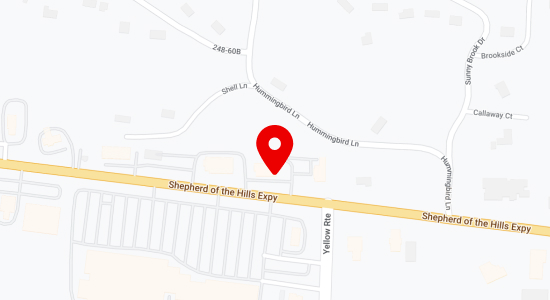
Please note that our law firm's address is for mail correspondence only. We do not accept in-office visits to this location. To schedule an appointment or consult with an attorney, please contact us via phone or email. Our contact information is readily available on our website. We look forward to hearing from you and strive to supply efficient and accessible legal services to our clients.
Branson, MO 65616