
Former Prosecutor
of 20 Years on
Your Side
of 20 Years on
Your Side







In Missouri, arrest warrants can arise in several ways. A judge may issue a warrant after a criminal complaint is filed. A court may issue a warrant after someone misses a hearing. A warrant may also be issued for an alleged probation violation, a bond condition violation, or a failure to comply with a court order. Some warrants are tied to new felony or misdemeanor charges. Others come from an older case that was never fully resolved.
The most important thing to know is that ignoring a warrant rarely makes the situation better. A warrant can follow you during a traffic stop, background check, new arrest, probation contact, or routine interaction with law enforcement. It can also affect your ability to negotiate bond, protect your record, and resolve the underlying case. Speaking with an experienced Missouri criminal defense attorney before taking action can help you avoid mistakes that may make the matter harder to fix.
Scrivner Law Firm represents people facing criminal charges, warrants, DUI/DWI allegations, traffic matters, and related criminal defense issues in Taney County, Stone County, Christian County, and surrounding Missouri courts. Dayrell L. Scrivner brings more than two decades of legal experience to his defense work, including prior service as an Assistant Prosecuting Attorney in Stone County. That former prosecutor background can be especially valuable when a warrant is involved because resolving the warrant often requires understanding both the court’s concerns and the prosecution’s likely position.
An arrest warrant is a court order authorizing law enforcement to take a person into custody. It does not mean the person is guilty. It means a judge has found a legal basis to require that person to appear before the court.
Missouri law addresses the issuance of warrants in criminal cases under Chapter 544 of the Revised Statutes of Missouri. Under Missouri Revised Statutes Section 544.020, when a written complaint is made under oath to an associate circuit judge stating that a felony has been committed and naming the accused person, the judge is required to issue a warrant commanding an officer to take the accused before the judge to be handled according to law. The statute also allows the complaint and warrant to be issued by facsimile or other electronic means.
Missouri Revised Statutes Section 544.030 further provides that warrants authorized by law in criminal cases may be issued under the hand of the associate circuit judge and are valid even without a seal. In practical terms, once a warrant is entered into the system, law enforcement may have authority to arrest the person named in it.
A warrant can remain active until the court recalls it, quashes it, withdraws it, or the person is arrested and brought before the court. The exact procedure depends on the court, the charge, the type of warrant, and whether bond has been set.
If law enforcement discovers an active warrant, the officer may arrest the person. This can happen during a traffic stop, at home, at work, after a separate investigation, at the courthouse, or during contact with probation or another agency.
Once arrested, the person is usually taken to jail for booking and processing. The jail may check the warrant, confirm the issuing court, determine whether bond has been set, and decide whether the person can be released locally or must be transported to the county where the warrant was issued.
If the warrant is from the same county where the arrest occurs, the person may be held for appearance before that court. If the warrant is from another Missouri county, there may be a hold while arrangements are made. If the warrant is from another state, extradition issues may arise.
The experience can be stressful and confusing. The person may not immediately know whether bond is available, whether the warrant is for a felony or misdemeanor, or whether there are multiple warrants. That is one reason it is better to address a known warrant before an unexpected arrest happens.
Yes. If there is an active arrest warrant, law enforcement may be able to arrest you in many settings. A traffic stop is one of the most frequent ways people discover a warrant. An officer may run a driver’s license, license plate, or identifying information and see that a warrant exists.
An arrest at work can be embarrassing and disruptive. An arrest at home can frighten family members. An arrest during a traffic stop can lead to towing, missed work, and immediate jail time. These practical consequences matter. Even when the underlying case is manageable, the timing and location of the arrest can create additional problems.
If you know or suspect that a warrant exists, a criminal defense lawyer may be able to contact the court, determine the type of warrant, evaluate bond, and discuss options for arranging a controlled surrender or requesting that the court recall or quash the warrant. Not every warrant can be handled without arrest, but many situations are better addressed proactively than left to chance.
Bond depends on the type of warrant, the underlying charge, the court, the person’s record, and whether the judge believes the person will appear in court and follow conditions of release.
Missouri Revised Statutes Section 544.455 identifies several factors a judge may consider when deciding release conditions, including the nature and circumstances of the offense, the weight of the evidence, family ties, employment, financial resources, character and mental condition, length of residence in the community, prior convictions, and history of appearing in court or flight to avoid prosecution.
A person arrested on a warrant may already have a bond amount listed. In other cases, the person may be held until appearing before a judge. Sometimes a defense attorney can file a motion to reduce bond or modify release conditions. If a person remains detained because they cannot meet the conditions of release, Section 544.455 provides for review after twenty-four hours from the time of the release hearing upon application.
Bond is not only about money. Conditions may also include no-contact orders, GPS monitoring, substance testing, travel restrictions, or reporting requirements. Violating those conditions can lead to another warrant and can damage the defense of the case.
The worst mistake is usually pretending the warrant does not exist. Waiting may feel easier in the moment, but it often gives the court less reason to trust you later. It may also cause an avoidable arrest in a public or inconvenient place.
Another mistake is calling the court and making statements about the facts of the case without legal advice. Court staff can provide limited procedural information, but they cannot protect your rights or give legal strategy. Anything you say about the alleged offense, why you missed court, where you have been, or what happened may create complications.
It is also dangerous to run, hide, or physically resist an arrest. Missouri Revised Statutes Section 575.150 addresses resisting or interfering with arrest, detention, or a stop. The statute applies to arrests, stops, and detentions with or without warrants, and to arrests for warrants issued by a court or probation and parole officer. Depending on the circumstances, resisting arrest can be charged as a class A misdemeanor or a class E felony. If the warrant is tied to a felony case, a felony failure to appear, or a felony probation violation, the resisting charge itself may be treated as a class E felony.
Missouri law also provides that it is not a defense to a resisting arrest prosecution that the officer was acting unlawfully in making the arrest, although civil remedies may still exist for an unlawful arrest. That means a person who believes the warrant is wrong should still avoid physical resistance and address the issue through legal channels.
Mistakes can happen. A person may have paid a fine, completed probation, appeared in court, or resolved a matter, yet a warrant still appears. Someone may also be confused with another person who has a similar name or date of birth. In other cases, a person may have moved and never received notice of a court date.
Even if the warrant is based on a mistake, it should be handled carefully. A defense attorney can review court records, determine the source of the warrant, and communicate with the court or prosecutor when appropriate. If the warrant was issued because of a missed court date, counsel may be able to explain the circumstances and request a new court date, bond modification, or withdrawal of the warrant.
The facts matter. A missed court date due to hospitalization, lack of notice, transportation problems, military service, incarceration in another jurisdiction, or a genuine clerical error may be viewed differently than simply ignoring a court order. The key is to present the issue in a credible, organized way.
If a warrant is active, a lawyer may be able to help you understand what you are facing before you walk into jail or court. That may include identifying the issuing court, confirming the charge, determining whether bond has already been set, reviewing the case docket, checking for additional warrants, and preparing a plan for surrender or court appearance.
In some cases, an attorney can file a motion to recall or quash a warrant. In other cases, the attorney can request a bond hearing or ask the court to set the matter for appearance. If surrender is necessary, counsel may be able to coordinate timing, prepare family members, gather documents, and advocate for release as quickly as possible.
Dayrell Scrivner’s background as a former prosecutor can be important in these situations. Prosecutors and judges often focus on risk, prior court history, public safety, the seriousness of the charge, and whether the person is likely to appear in the future. A defense strategy should address those concerns directly. That may include showing stable employment, local family ties, prior compliance, medical needs, treatment efforts, lack of new offenses, or other facts that support release.
Missouri law treats some warrant and no-warrant situations differently. Missouri Revised Statutes Section 544.170 addresses detention after arrest without a warrant. It generally provides that a person arrested and confined without a warrant or other process for an alleged offense or on suspicion must be discharged within twenty-four hours unless charged by oath of a credible person and held by warrant to answer the offense. It also provides that the person must be allowed at reasonable times to consult with counsel or others acting on the person’s behalf.
This statute is important, but it should not be misunderstood. If a person is arrested on an active warrant, the warrant itself is the court process authorizing custody. The next steps usually focus on bond, court appearance, transfer if needed, and the underlying charge or violation.
A warrant can affect how the prosecutor and judge view the case. If the warrant was issued because of failure to appear, the prosecutor may argue that the person is unreliable or a flight risk. If the warrant was issued after a bond violation, the State may ask for stricter conditions. If the warrant is tied to a probation violation, the probation officer may recommend sanctions or revocation.
That does not mean the situation is hopeless. It means the defense needs to address the warrant directly. A lawyer can help explain why the warrant happened, separate facts from assumptions, and present a plan for compliance going forward. Judges often want reassurance that the person will return to court, follow orders, and avoid new legal trouble.
In some cases, resolving the warrant can open the door to productive negotiations. It may allow the case to move toward dismissal, amendment, diversion, probation, reduced charges, or trial preparation. In other cases, it may prevent the warrant from becoming the issue that overshadows the rest of the defense.
Before taking action on a warrant, it helps to gather information. If available, collect any court papers, bond documents, citations, notices, probation paperwork, old plea agreements, payment records, and prior attorney information. Write down when you learned about the warrant and how. If you missed court, identify why and whether you have documentation.
A short list of useful information may include:
This information can help your attorney act quickly and speak with the court or prosecutor from a position of preparation.
An arrest warrant should be taken seriously, but it should not cause you to give up. There may be options to address the warrant, seek release, protect your rights, and begin defending the underlying case. The sooner you get legal guidance, the more control you may have over how the situation unfolds.
Scrivner Law Firm represents clients facing warrants, criminal charges, DUI/DWI cases, traffic matters, probation issues, and related defense matters in Taney County, Stone County, Christian County, and surrounding Missouri courts. Dayrell L. Scrivner’s experience as a former prosecutor gives him insight into how the State may evaluate the case, while his defense practice is focused on protecting clients from the consequences of criminal accusations and helping them move forward.
If you believe there is a warrant for your arrest in Missouri, do not wait for a traffic stop, workplace arrest, or unexpected jail booking to force the issue. Contact Scrivner Law Firm to discuss the warrant, the underlying case, and the steps that may be available to protect your freedom, your record, and your future.
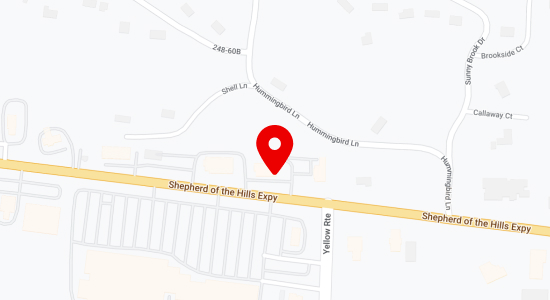
Please note that our law firm's address is for mail correspondence only. We do not accept in-office visits to this location. To schedule an appointment or consult with an attorney, please contact us via phone or email. Our contact information is readily available on our website. We look forward to hearing from you and strive to supply efficient and accessible legal services to our clients.
Branson, MO 65616