
Former Prosecutor
of 20 Years on
Your Side
of 20 Years on
Your Side







Finding out there may be a warrant for your arrest in Missouri can create immediate panic. Some people freeze. Others think about leaving town, ignoring the problem, or waiting to see whether law enforcement actually comes looking for them. A few people assume that if the underlying charge is minor, the warrant will somehow go away on its own.
It will not.
An arrest warrant is a court order. Once issued, it can follow you into a traffic stop, job background check, probation appointment, airport encounter, or routine contact with law enforcement. For many people, the better question is not whether the warrant matters. It does. The real question is whether turning yourself in is the right move, and if so, how to do it in a way that protects your rights, your job, your family, and your future.
In many Missouri cases, voluntarily addressing a warrant is better than being arrested unexpectedly. But “turning yourself in” should not mean walking into jail with no plan, no lawyer, no bond information, and no idea what will happen next. The timing, the location, the type of warrant, the underlying charge, and the bond conditions all matter.
Scrivner Law Firm is headed by criminal defense attorney and former prosecutor Dayrell Scrivner. With more than 30 years in the legal profession, including roughly 20 years as a prosecutor, Dayrell Scrivner brings a practical understanding of how Missouri courts, prosecutors, and law enforcement agencies handle warrants. That experience can be especially important when a person wants to resolve a warrant without making the situation worse.
An arrest warrant gives law enforcement authority to take a person into custody. In Missouri criminal cases, warrants may be issued at the beginning of a case, after a missed court date, after an alleged probation violation, after a bond violation, or after new information is presented to the court.
Missouri Revised Statutes Chapter 544 addresses arrest, examination, commitment, and bail. Under RSMo 544.020, a warrant may be issued upon a complaint when the legal requirements are met. In practical terms, this means the court must have a lawful basis before authorizing an arrest. Depending on the situation, that basis may involve a criminal complaint, probable cause statement, indictment, information, or another court filing.
Once a warrant exists, it is not simply a reminder to appear. It is an active order allowing arrest. Under Missouri law, warrants may be executed by law enforcement, and RSMo 544.090 addresses where warrants may be executed. That is one reason a warrant issued in one Missouri county can create problems elsewhere in the state.
A person may not know about the warrant right away. Some warrants are issued after missed court dates. Others are issued after prosecutors file charges and request arrest rather than a summons. In some cases, a person learns about the warrant only after a police officer appears at home, after being pulled over, or after being told by a court clerk.
Voluntarily surrendering on a warrant may show the court that you are not trying to run from the case. It may also give your attorney an opportunity to address release conditions, bond, scheduling, and the underlying charge in a more organized way.
This does not guarantee immediate release. It does not guarantee a low bond. It does not erase the warrant. But it can sometimes make a meaningful difference in how the situation is presented.
A planned surrender may allow a defense attorney to contact the court, determine whether bond has already been set, ask whether a warrant recall or bond review is possible, and explain circumstances that may matter to the judge. Those circumstances may include employment, family responsibilities, local residence, medical needs, military service, school obligations, or prior record of appearing in court.
By contrast, an unexpected arrest can happen at the worst possible time. It may occur during a traffic stop, in front of children, at work, outside a courthouse on another matter, or during contact with police for something unrelated. Once that happens, the person may have less control over timing, transportation, bond payment, and communication with family.
Turning yourself in is often about reducing chaos. It is not about admitting guilt.
If there is time to speak with a lawyer before surrendering, it is usually wise to do so. A criminal defense attorney can help determine what kind of warrant exists, which court issued it, whether bond is already attached to the warrant, and whether there are options short of immediate jail surrender.
Not every warrant is handled the same way. A warrant for failure to appear in a traffic or misdemeanor case may be treated differently from a warrant tied to a felony complaint, domestic assault allegation, drug charge, sex offense allegation, probation violation, or out-of-state hold. Local court practices may also vary between Taney County, Stone County, Christian County, and other Missouri jurisdictions.
An attorney may be able to gather key information before you take action. That may include the case number, charge, issuing court, bond amount, whether the bond is cash only or surety eligible, whether a court date is already scheduled, whether the warrant is extraditable, and whether there are no contact or travel restrictions.
This preparation matters because once you are in custody, it can be harder to make calls, gather money for bond, arrange childcare, notify work, or provide documents to the court.
Many Missouri warrants arise from a failure to appear. A person may miss court because of confusion, illness, transportation issues, notice problems, work obligations, or simple panic. Regardless of the reason, the court may respond by issuing a bench warrant.
RSMo 544.330 addresses failure to appear under recognizance. If a person was released on a promise or condition to appear and then failed to do so, the court may take action. The missed appearance can affect how the judge views future release.
A bench warrant is issued by a judge, often because the court believes the person did not comply with a court order. An arrest warrant may be issued after charges are filed and the court determines the person should be brought before the court. In everyday conversation, people often use these terms interchangeably. Legally and procedurally, the reason for the warrant can affect how the case should be handled.
If the warrant was issued because of a missed court date, a defense lawyer may be able to explain why the absence occurred and ask the court to consider reinstating bond, setting a new date, or withdrawing the warrant. Whether that is possible depends on the court, the charge, the person’s history, and the facts.
A major concern when turning yourself in is whether you will be released. Missouri law gives courts authority to set release conditions in criminal cases.
RSMo 544.455 provides that a person charged with a bailable offense may be released on personal recognizance unless the judge determines that such release will not reasonably assure the person’s appearance. When the court believes conditions are necessary, it may impose conditions designed to reasonably assure appearance. These may include supervision, travel restrictions, a bond, regular reporting, ten percent cash deposit, house arrest with electronic monitoring, or other conditions the judge considers reasonably necessary.
RSMo 544.453 requires Missouri judges and judicial officers to consider certain factors when setting bail or release conditions. These include whether the defendant poses a danger to a victim, the community, a witness, or another person, whether the defendant is a flight risk, certain recent criminal history, and certain recent failures to appear.
That means the court is not only looking at the charge. The judge may also consider your ties to the community, employment, family, prior appearances, prior convictions, the seriousness of the allegation, and whether anyone may be at risk.
This is where preparation can matter. A person who voluntarily appears with counsel, documentation, a stable address, employment information, and a plan for future court appearances may be in a better position than someone arrested unexpectedly with no context available.
Ignoring a Missouri arrest warrant can create several problems. The most obvious risk is arrest. If you are stopped by police and the warrant appears, you may be taken into custody even if the original issue seems minor.
The second risk is that delay can make you look like a flight risk. Under RSMo 544.453 and RSMo 544.455, the court may consider appearance history and flight concerns when deciding release conditions. If the warrant has been active for a long time, the prosecutor may argue that the delay shows you cannot be trusted to return to court.
The third risk is practical. You may lose control over the timing of the arrest. That can affect your job, children, transportation, medical care, and finances. A planned surrender can often be scheduled during court hours, with family informed, bond funds ready if appropriate, and counsel already involved.
Ignoring the warrant can also lead to driver’s license issues in certain traffic-related matters, additional court costs, bond forfeiture, or stricter release conditions. The longer the warrant remains active, the more complicated the situation can become.
Many people hesitate to turn themselves in because they fear it will look like an admission. Surrendering on a warrant is not the same as pleading guilty. It is a step toward addressing the court order and getting the case back into the legal process.
You still have the right to remain silent. You still have the right to a lawyer. You still have the right to challenge the evidence. You still have the right to contest the charges, negotiate, seek dismissal, file motions, or proceed to trial when appropriate.
One of the biggest mistakes a person can make is trying to explain the case to officers during surrender. Statements made during arrest, booking, transport, or jail calls can potentially be used later. Even statements meant to be helpful can create problems.
A safer approach is to be respectful, comply with lawful instructions, provide basic identifying information, and avoid discussing the facts of the case until you have spoken with your attorney.
A planned surrender should be treated seriously. Before taking action, it may help to identify the issuing court, confirm whether the warrant is active, determine the bond amount, and speak with a defense attorney. You should also make arrangements for children, work, transportation, medication, and communication with family.
If bond has already been set, you may need to know whether it is cash only, surety, percentage, or recognizance. If no bond is set, you may need to appear before a judge before release is possible.
A few basic steps may include:
This is not a time to rely on guesses. A person may think a warrant is only for a missed traffic court date when it actually involves a more serious allegation. Another person may assume bond is available when the warrant requires a judge’s review first. Accurate information can prevent bad decisions.
Local experience can matter in warrant cases. Courts may follow the same Missouri statutes, but procedures and expectations can vary by county, judge, prosecutor, and charge type. A person facing a warrant in Taney County may have a different practical path than someone dealing with a warrant in Stone County, Christian County, or a municipal court.
Dayrell Scrivner’s background as a former county prosecutor gives him insight into how prosecutors evaluate risk, bond, appearance history, and case posture. His work in criminal defense, DUI/DWI, and traffic matters in southwest Missouri courts allows him to help clients approach warrant issues with a plan rather than panic.
That plan may involve contacting the court, requesting a bond hearing, preparing information for release, addressing the missed court date, or working toward a broader defense strategy once the warrant issue is resolved.
The best approach depends heavily on why the warrant was issued. A warrant connected to a new felony charge may require one strategy. A warrant based on failure to appear may require another. A probation violation warrant may involve allegations that the person violated supervision terms. A bond violation warrant may involve accusations of new arrests, failed drug tests, contact with a protected person, travel violations, or missed check-ins.
The underlying charge also matters. Courts may take a different view of cases involving alleged violence, weapons, domestic assault, sex offenses, drug trafficking, child victims, elderly victims, or repeat offenses. RSMo 544.453 specifically directs courts to consider danger and flight risk when setting bail or release conditions.
That does not mean release is impossible. It means the defense should be prepared to address the court’s concerns directly.
A lawyer can do more than stand beside you in court. Before surrender, an attorney may investigate the warrant, evaluate bond options, communicate with the court when appropriate, prepare arguments for release, and advise you on what not to say.
After surrender, an attorney can continue working on the case itself. That may include reviewing police reports, probable cause statements, witness allegations, body camera footage, search issues, charging documents, bond conditions, and possible defenses.
In some cases, the warrant issue is only the first problem. The deeper issue is the criminal charge behind it. Addressing the warrant quickly can help move the case into a more manageable posture, but the defense strategy must continue from there.
If you believe there is a Missouri arrest warrant in your name, do not ignore it and do not assume the safest option is to walk into jail without legal guidance. A warrant can affect your freedom, your bond, your record, your employment, and the direction of your criminal case.
Scrivner Law Firm represents individuals facing criminal charges, warrants, DUI/DWI allegations, traffic matters, probation violations, and other serious legal problems in Missouri. Attorney Dayrell Scrivner’s experience as a former prosecutor and criminal defense lawyer gives clients a strategic advantage when the court, the prosecutor, and law enforcement are already involved.
Before you turn yourself in on a Missouri arrest warrant, contact Scrivner Law Firm. The sooner you get legal guidance, the sooner you can make a plan, protect your rights, and begin addressing the case with confidence.
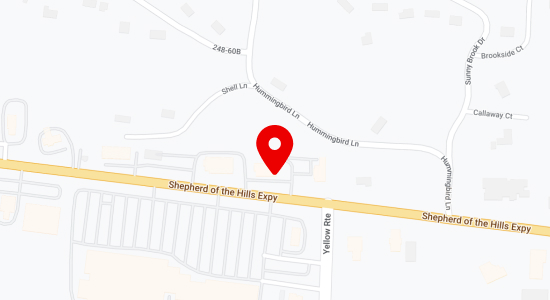
Please note that our law firm's address is for mail correspondence only. We do not accept in-office visits to this location. To schedule an appointment or consult with an attorney, please contact us via phone or email. Our contact information is readily available on our website. We look forward to hearing from you and strive to supply efficient and accessible legal services to our clients.
Branson, MO 65616