
Former Prosecutor
of 20 Years on
Your Side
of 20 Years on
Your Side







An arrest in Missouri can be frightening enough on its own. When officers take your phone, the situation can feel even more invasive. A phone is not just a device for calls and text messages. It may contain photographs, location history, banking information, emails, social media messages, browser history, health information, private notes, contact lists, and communications with attorneys, family members, employers, or friends.
Because of that, one of the first questions many people ask after an arrest is simple: can police search my phone?
In most situations, police cannot search the digital contents of your phone after an arrest just because they arrested you. They may be able to seize the phone, secure it, and prevent evidence from being destroyed. But searching through the data on the phone is different. Generally, law enforcement must obtain a search warrant supported by probable cause before reviewing the contents of a cell phone.
That rule matters. A phone search can change the direction of a Missouri criminal case. What starts as a DWI, drug possession, domestic assault, stealing, sex offense, probation violation, or weapons case can expand if officers find messages, photos, videos, location data, or other digital evidence they believe supports additional charges.
Scrivner Law Firm represents people facing criminal charges in Taney, Stone, Christian, and surrounding Missouri counties. Attorney Dayrell Scrivner brings more than 30 years of legal experience, including two decades as a prosecutor and service as Chief Assistant Prosecutor from 2002 to 2018. That background gives him insight into how police and prosecutors evaluate evidence, including digital evidence taken from a phone after an arrest.
Police may take possession of a phone during an arrest for several reasons. They may place it with your personal property during booking. They may secure it because they believe it contains evidence. They may also take steps to prevent someone from remotely wiping it.
That does not automatically mean they can open the phone and start searching through messages, photos, apps, call logs, or internet history.
The United States Supreme Court made this distinction clear in Riley v. California. The Court held that police generally need a warrant before searching digital information on a cell phone seized from a person who has been arrested. The reasoning is practical and powerful. A modern phone can contain far more private information than a wallet, purse, pocket notebook, or container found on someone at the time of arrest.
A lawful arrest allows officers to search a person’s body and nearby physical items in certain situations, especially for officer safety or to prevent destruction of evidence. But digital data on a phone is different. The phone itself cannot be used as a weapon in the way a physical object could. Once officers secure the device, the privacy concerns become much greater than the immediate safety concerns.
Missouri law provides procedures for search warrants. Under Missouri Revised Statutes Section 542.276, a search warrant application must identify the property, article, material, substance, or person to be searched for and seized with sufficient detail and particularity. It must also identify the person, place, or thing to be searched in enough detail that the officer executing the warrant can readily determine what is covered.
That particularity requirement is important in phone search cases. A warrant should not be treated as unlimited permission to search every part of a person’s digital life. Depending on the allegations, the warrant may need to explain what evidence officers expect to find, why they believe it is on the phone, and what categories of data are relevant.
For example, if a person is arrested on a drug charge, officers may seek messages, call logs, location information, photographs, or app data they claim are related to drug distribution. In a domestic assault case, they may seek text messages, voicemails, photographs, videos, or social media communications. In a sex offense case, they may seek communications, images, or online account information. The scope of the warrant can become a major issue.
A defense lawyer may examine whether the warrant was specific enough, whether the affidavit established probable cause, whether the search exceeded the warrant, and whether police used the phone search as a broad fishing expedition.
Missouri courts have also recognized limits on phone searches. In State v. Bales, the Supreme Court of Missouri upheld suppression of evidence from a cell phone where the phone was seized at a sheriff’s office even though the warrant authorized seizure at a particular residence. The Court found that the seizure was outside the scope of the warrant.
That case is a strong reminder that warrants must be followed carefully. If a warrant authorizes officers to search a specific place for a specific item, officers cannot simply ignore those limits. When police seize or search a phone outside the authority granted by the warrant, the defense may have grounds to file a motion to suppress.
A motion to suppress asks the court to exclude evidence obtained in violation of constitutional, statutory, or procedural protections. If successful, the prosecution may lose access to key phone evidence. In some cases, suppression can weaken the State’s case significantly. In others, it may affect plea negotiations, charge reductions, trial strategy, or whether the case can proceed at all.
One of the most stressful moments after an arrest can occur when an officer asks for a passcode, demands that you unlock your phone, or tells you that refusing will make things worse.
You should be careful in that situation. You generally have the right to remain silent. You also have the right to speak with an attorney. Giving officers a passcode, opening apps, explaining messages, or answering questions about phone contents can create evidence that may later be used against you.
The law involving passcodes, biometrics, fingerprints, facial recognition, and compelled decryption can be complicated. Courts may treat different unlocking methods differently depending on the facts, the wording of a warrant or court order, and whether the act of unlocking communicates information. Because the law is fact specific, a person should not guess their way through the situation while under pressure.
A simple and calm response is often best. You can state that you do not consent to a search and that you want to speak with an attorney. You should not physically resist officers or destroy evidence. You should also avoid arguing on the roadside, in an interrogation room, or at the jail.
Even when police do not have a warrant, they may ask for consent to search a phone. If a person voluntarily consents, officers may argue that a warrant was not required.
Consent is one of the most important issues in phone search cases. Police may phrase the request casually. They may say they only want to “take a quick look,” “clear things up,” “confirm your story,” or “see one message.” But once a person unlocks the phone and hands it over, the situation can become difficult to control.
There may still be legal issues to challenge. The defense may examine whether consent was truly voluntary, whether the person had authority to consent, whether police exceeded the scope of consent, and whether the person withdrew consent. But it is safer not to consent in the first place.
Refusing consent is not the same as obstructing justice. A person can calmly say, “I do not consent to a search of my phone.” That statement preserves an important issue without escalating the encounter.
Police may take steps to preserve a phone while they seek a warrant. They may turn it off, place it in airplane mode, secure it in an evidence bag, or use technology designed to prevent remote access. Officers may claim these steps are necessary to prevent remote wiping, encryption changes, or loss of evidence.
The legality of these actions depends on the facts. Seizing a phone temporarily may be treated differently than searching through its data. Still, the longer police keep a phone and the more intrusive their actions become, the more legal questions may arise.
If officers later obtain a warrant, the defense may review the timing, the warrant affidavit, the inventory, the chain of custody, and the forensic extraction process. Phone cases often involve not only constitutional law, but also technical questions about how the device was handled.
Phone evidence can appear in many types of Missouri criminal cases. Prosecutors may use text messages to argue intent, planning, motive, identity, or knowledge. They may use photographs to connect someone to drugs, weapons, stolen property, locations, or other people. They may use location data to place a person near an alleged crime scene. They may use call logs to suggest coordination with another suspect.
In drug cases, officers may look for messages about sales, prices, quantities, suppliers, customers, or delivery locations. In stealing or burglary cases, they may look for photos of property, marketplace messages, or communications with alleged accomplices. In assault cases, they may look for threats, apologies, prior arguments, videos, or social media posts. In sex offense cases, the contents of a phone can become central to the prosecution.
But phone evidence is not always as clear as police claim. Messages can be taken out of context. Someone else may have used the phone. A shared device may contain information from multiple people. A screenshot may not tell the full story. Deleted data may be incomplete. Location data may be imprecise. Social media accounts may be accessed by more than one person. A defense lawyer can examine those issues closely.
Several Missouri statutes may come up when police seize or search a phone after an arrest.
Missouri Revised Statutes Section 542.276 governs search warrant applications and warrant requirements. This statute is important because it addresses probable cause, particularity, the contents of the application, and the execution of the warrant.
Missouri Revised Statutes Section 544.216 addresses arrest powers, including circumstances where officers may arrest without a warrant on suspicion that a person has violated state law, including infractions, misdemeanors, ordinances, and other offenses. That statute may be relevant to whether the arrest itself was lawful.
Missouri Revised Statutes Section 575.100 covers tampering with physical evidence. A person can face additional allegations if the State claims they altered, destroyed, suppressed, or concealed a record, document, or thing with the purpose of impairing its availability in an official proceeding or investigation. In a phone case, police may try to apply this type of allegation if they believe someone deleted messages, wiped a device, or concealed digital evidence.
Missouri Revised Statutes Section 575.150 addresses resisting or interfering with arrest, detention, or stop. This statute may become relevant if an encounter escalates. A person should not fight with officers, run, hide a device during an arrest, or physically interfere. Asserting your rights should be done calmly and clearly.
If police search a phone without a warrant, consent, or a valid exception, the defense may challenge the search. The remedy may be suppression of the evidence. This means the judge may prevent the prosecution from using the unlawfully obtained phone evidence in court.
The exclusionary rule can also apply to evidence found because of the illegal search. This is sometimes called fruit of the poisonous tree. For example, if officers unlawfully search a phone, find a location, and then use that location to discover additional evidence, the defense may argue that the later evidence should also be excluded.
These arguments are fact intensive. The defense must look at how the phone was seized, who possessed it, whether a warrant existed, what the warrant authorized, what officers searched, when they searched it, whether consent was requested or given, and whether the State claims an exception applies.
Although a warrant is generally required to search phone data after an arrest, prosecutors may still argue that an exception applies. For example, they may claim the person consented. They may argue exigent circumstances existed, such as an immediate threat to safety or imminent destruction of evidence. They may argue inevitable discovery, meaning they would have found the evidence lawfully anyway. They may also argue good faith reliance on a warrant.
These arguments should not be accepted automatically. Exigent circumstances must be based on real urgency, not convenience. Consent must be voluntary and limited to what was actually allowed. Good faith has limits, especially when officers disregard clear warrant restrictions. Inevitable discovery requires more than speculation.
A strong defense often begins by forcing the State to explain exactly why the search was lawful.
Phone searches can produce huge amounts of data. A forensic extraction may include active files, deleted files, app data, metadata, location information, images, videos, call logs, texts, and cloud connected material. The volume alone can create risk. Prosecutors may focus on a few damaging items while ignoring context that helps the defense.
A defense lawyer may need to ask several questions. Was the phone actually connected to the accused person? Did the warrant allow the type of data searched? Were the dates limited? Did police search apps unrelated to the allegations? Did they access cloud accounts beyond the device? Was the extraction complete and reliable? Were privileged communications captured? Did officers keep searching after finding what the warrant allowed them to find?
These details can matter. A phone search is not just one act. It can involve seizure, storage, unlocking, extraction, review, reporting, and later analysis. Each step may create issues for the defense.
If police take your phone after an arrest, do not assume the search was lawful. Do not try to contact officers to explain messages or clear things up without legal advice. Do not ask friends or family members to delete accounts, remove posts, wipe devices, or change stories. Those actions can create new problems and may lead to additional allegations.
Instead, write down what happened as soon as you can. Note when the phone was taken, who took it, whether officers asked for consent, whether you gave a passcode, whether they showed you a warrant, and whether they questioned you about anything found on the phone. Share those details with your attorney.
If you still have access to related accounts, do not alter evidence. Speak with a lawyer before taking action that could be misunderstood or used against you.
Cell phone evidence can feel overwhelming, but it can also be challenged. The fact that police found something on a phone does not automatically mean it is admissible, accurate, complete, or persuasive. The State still has the burden to prove its case. The defense has the right to examine whether the search followed the Constitution, Missouri law, and the limits of any warrant.
Dayrell Scrivner’s background as a former prosecutor gives him valuable insight into how the State builds criminal cases and how digital evidence may be used in negotiations, hearings, and trial. His experience also helps him identify weaknesses in the prosecution’s approach, including problems with warrants, police procedure, probable cause, consent, and the interpretation of phone evidence.
Whether the case involves DWI, drugs, domestic violence, theft, sex offenses, weapons allegations, probation violations, or another Missouri criminal charge, the phone search may become one of the most important issues in the case.
If police searched your phone, took your phone, asked for your passcode, or used phone evidence against you after an arrest in Missouri, you should speak with a criminal defense lawyer as soon as possible. Early legal action may help preserve evidence, challenge an unlawful search, limit the damage, and protect your rights before the case moves further through court.
Scrivner Law Firm represents people facing criminal charges in Missouri and understands how serious a phone search can be. Contact Scrivner Law Firm today to discuss your case, review what happened during the arrest, and begin building a defense strategy focused on protecting your freedom, your record, and your future.
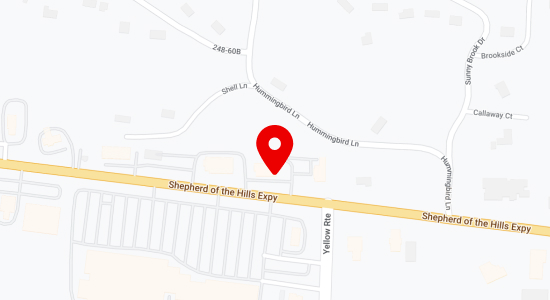
Please note that our law firm's address is for mail correspondence only. We do not accept in-office visits to this location. To schedule an appointment or consult with an attorney, please contact us via phone or email. Our contact information is readily available on our website. We look forward to hearing from you and strive to supply efficient and accessible legal services to our clients.
Branson, MO 65616