
Former Prosecutor
of 20 Years on
Your Side
of 20 Years on
Your Side







Being accused of theft of leased or rented property in Missouri can be more complicated than many people expect. These cases often start with a missed return date, a billing dispute, a misunderstanding about an extension, or a problem involving damaged equipment, rental tools, electronics, furniture, or a vehicle. What may begin as a disagreement with a rental company can quickly become a criminal investigation. Under Missouri law, failure to return rented property on time can create evidence prosecutors use to argue that the renter intended to keep property that did not belong to them.
That is exactly why these cases need careful legal attention from the beginning. Scrivner Law Firm is led by Dayrell L. Scrivner, a longtime Southwest Missouri attorney and former prosecutor who spent nearly two decades in the Stone County Prosecutor’s Office, including many years as Chief Assistant Prosecuting Attorney. He later opened his private practice and focuses on criminal defense, bringing to each case insight into how the State builds charges, evaluates evidence, and approaches plea negotiations. The firm serves clients in Taney, Stone, and Christian Counties and emphasizes direct communication and personalized representation.
Missouri specifically addresses this offense in RSMo § 570.057, which governs stealing leased or rented property. The statute does more than punish outright theft. It gives prosecutors a framework for arguing criminal intent when a person rents or leases property and then does not return it, does not pay charges, gives false identifying information, or otherwise acts in a way the State says shows an intent to deprive the owner of the property.
In many cases, the issue is not whether property was originally obtained lawfully. It usually was. That is what makes these allegations different from a typical shoplifting case or a basic stealing charge under RSMo § 570.030. In a leased or rented property case, the person generally had permission to take possession at the start. The dispute centers on what happened afterward. The prosecution will often argue that the renter crossed the line from a civil contract problem into criminal conduct. Missouri law allows the State to use timing, notice, nonpayment, and false information as evidence in making that argument.
That distinction matters. Not every failure to return rental property is a crime. Sometimes there was a miscommunication about the due date. Sometimes a payment card failed. Sometimes a third party had the item. Sometimes the property broke down, especially with rented vehicles or equipment. Sometimes the renter intended to return the property but could not do so on time because of illness, travel delays, or other real world problems. A strong defense often focuses on separating a genuine mistake, contract disagreement, or temporary delay from the kind of intentional conduct the statute is designed to punish.
The heart of many of these cases is intent. The State must try to show that the accused did more than simply fall behind or overlook a return date. Under RSMo § 570.057, certain facts can be treated as evidence of intent to violate the law. Those facts include using a false, fictitious, or outdated name, address, or place of employment when obtaining the property. The statute also says that failure or refusal to return the property or pay lease charges within seven days after written demand is sent by certified mail can serve as evidence of intent.
That does not mean the case is automatically proven. It means the prosecution may try to rely heavily on those facts. A defense lawyer can challenge whether the notice complied with the statute, whether the address used was correct, whether the client actually received the demand, whether payment arrangements were in place, or whether the client had a legitimate explanation for the delay. In a criminal case, those details can matter tremendously.
The statute contains special provisions for rented or leased motor vehicles. If a motor vehicle is not returned within seventy two hours after the expiration of the lease or rental agreement, that failure may be treated as prima facie evidence of criminal intent. The law also permits the lessor to notify local law enforcement, and officers may enter the vehicle into appropriate state and local computer systems listing stolen motor vehicles. An officer who stops the vehicle may seize it and notify the lessor so the vehicle can be recovered after documentation for evidentiary purposes.
This is one reason vehicle rental cases can escalate very fast. A person may think they are dealing with a rental company, while the company has already contacted law enforcement and the vehicle is being treated as stolen for investigative purposes. Early legal intervention can be important in reducing the chance that the case spins further out of control.
When the property is not a motor vehicle, RSMo § 570.057 uses a seven day period after written demand for return or payment, and the owner is directed to report the failure to return the property to local law enforcement if the property is not returned within that period. The law enforcement agency may then notify the renter that failure to immediately return the property may subject that person to arrest.
That sequence often creates important factual issues. Was the demand letter sent correctly by certified mail? Was it sent to the address set forth in the lease agreement? Was the agreement itself accurate? Did the client have an updated address? Was the property actually overdue under the contract terms? These are not technicalities. They can go to the reliability and fairness of the State’s case.
Under RSMo § 570.057, stealing leased or rented property is generally a Class A misdemeanor unless the property has a value of $750 or more, in which case it becomes a Class D felony. That means the value assigned to the property can have a major effect on the level of the charge and the risks the accused faces.
Value disputes are often significant. Rental companies may assign replacement values that are inflated, inconsistent, or based on new purchase prices rather than fair market value. A defense attorney may challenge how the property was valued, whether the item was depreciated, whether it had preexisting wear and tear, and whether the company’s records are complete. In some cases, reducing the alleged value can affect whether the case remains a misdemeanor or is charged as a felony.
The statute also states that venue lies in the county where the property was originally rented or leased. That can matter in Southwest Missouri cases where the renter lives in one county, the rental business is in another, and the property was allegedly kept or located somewhere else. Venue issues are not always case winners, but they can affect where the case proceeds and how it is defended.
One of the most important defenses is lack of criminal intent. A late return is not automatically the same as a theft. The defense may show the client intended to return the property, attempted to communicate with the owner, tried to extend the agreement, or reasonably believed payment arrangements were still in place. A contract dispute is not always a crime.
Missouri law expressly says RSMo § 570.057 does not apply to a vehicle if return was made more difficult or expensive by a defect that rendered the vehicle inoperable, as long as the lessee notified the lessor of the location of the vehicle and the defect before the agreement expired or within ten days after proper notice. That is a highly specific statutory defense that can be extremely important in vehicle rental cases.
The prosecution may depend on the written demand provisions in the statute. If the certified mailing requirements were not followed, if the notice was sent to the wrong address, or if the underlying lease records were inaccurate, the State’s evidence may be weaker than it first appears. Defense counsel can analyze the timeline closely and challenge assumptions that the renter intentionally ignored a proper demand.
The State may allege that the renter used false identifying information, but that allegation still must be supported by evidence. Clerical mistakes, outdated employment information, transcription errors, or mismatched records do not automatically establish criminal fraud. Scrivner Law Firm can evaluate whether the prosecution actually has reliable proof of deception or is stretching routine paperwork issues into a criminal narrative.
As noted above, value is often a major battleground. If the prosecution cannot support the claimed value, the defense may be able to attack the grading of the offense. That can affect both negotiation strategy and potential sentencing exposure.
RSMo § 570.057 also states that a person who leased or rented personal property and destroys it to avoid returning it commits property damage under RSMo §§ 569.100 or 569.120, in addition to violating the leased or rented property statute.
That means a single case can expand quickly. What starts as an accusation of failure to return property can become a multi-count prosecution involving intentional damage allegations. If police believe property was stripped, hidden, abandoned, or destroyed, the legal stakes can rise sharply. In that situation, the defense has to address not only possession and return issues, but also forensic evidence, photographs, repair records, and witness claims about the condition of the property.
Dayrell Scrivner’s background can be especially valuable in theft related cases because these prosecutions often turn on how the State organizes circumstantial evidence. A former prosecutor knows that the government will try to build a timeline, use documents to show intent, and present late return conduct as proof of dishonesty. He also knows that prosecutors often judge a case by the paperwork first and the person second. That is precisely where a thoughtful defense can change the course of the case.
With more than three decades of legal experience, nearly two decades as a prosecutor, and a practice focused on criminal defense in Taney, Stone, and Christian Counties, Dayrell Scrivner brings local courtroom knowledge and strategic perspective to cases that might otherwise be dismissed as open and shut. He has been described on the firm’s materials as someone who provides personalized attention, explains legal concepts clearly, and uses his knowledge of how prosecutors build cases to identify weaknesses and push for better outcomes.
If you are contacted by police or by a rental company claiming you stole leased or rented property, do not assume you can talk your way out of it. Anything you say may later be used to argue intent. It is often better to gather the lease agreement, payment records, text messages, emails, return receipts, repair records, and any proof of attempted communication before giving a detailed statement.
It is also important not to destroy documents, alter records, or make rushed payments without legal advice if criminal charges are already being considered. While repayment or return of property may help in some situations, it does not automatically end a prosecution. A lawyer can help determine how best to respond without creating new problems.
A charge involving theft of leased or rented property can threaten your job, your record, your finances, and your freedom. It can also be more defensible than it first appears. Many of these cases involve missing context, incomplete business records, disputed value, questionable notice, or facts that support a mistake rather than a crime. The sooner the case is examined, the more opportunities there may be to challenge the State’s theory.
Scrivner Law Firm represents people accused of criminal offenses in Southwest Missouri, and Dayrell Scrivner’s experience as a former prosecutor gives clients a meaningful advantage when the government is trying to turn a rental dispute into a theft case. If you are facing allegations involving a rented vehicle, leased equipment, or any other leased or rented property, contact Scrivner Law Firm for a confidential consultation. Getting experienced defense counsel involved early can make a real difference in protecting your future.
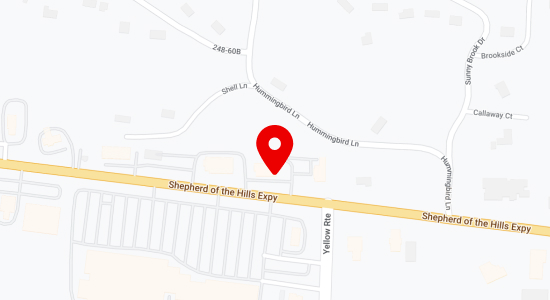
Please note that our law firm's address is for mail correspondence only. We do not accept in-office visits to this location. To schedule an appointment or consult with an attorney, please contact us via phone or email. Our contact information is readily available on our website. We look forward to hearing from you and strive to supply efficient and accessible legal services to our clients.
Branson, MO 65616