
Former Prosecutor
of 20 Years on
Your Side
of 20 Years on
Your Side







Title IX is a federal civil rights law that prohibits sex based discrimination in education programs and activities that receive federal funding. In the college and university setting, Title IX often governs how schools respond to allegations involving sexual harassment, sexual assault, stalking, dating violence, domestic violence, and related misconduct. For students, faculty, staff, coaches, graduate workers, and administrators, that means a complaint under Title IX can trigger a formal institutional process with serious consequences, even when no criminal charge is ever filed.
That distinction matters. Many people hear the word Title IX and think only of athletics or broad equality issues on campus. While Title IX certainly reaches those areas, it is also the framework many colleges and universities use when addressing allegations of sexual misconduct and sex based harassment. A case filed under that framework can threaten a person’s education, employment, housing, scholarship status, athletic participation, academic standing, and future career prospects.
In Missouri, Title IX matters can affect people across a wide range of educational institutions, from major universities to private colleges and regional campuses. That includes schools serving southwest Missouri communities, such as College of the Ozarks in Taney County, Ozarks Technical Community College’s Table Rock Campus in Taney County, and Ozarks Technical Community College’s Richwood Valley Campus in Christian County. Students and employees living in Stone County may also be pulled into these campus systems even if their school is located just outside the county line. Wherever the school is located, a Title IX allegation should be taken seriously from the moment notice is received.
Scrivner Law Firm represents clients facing serious allegations with potentially lasting consequences. Dayrell Scrivner’s experience in criminal law and his background as a former prosecutor bring a disciplined and practical perspective to these cases. A campus process may be administrative rather than criminal, but it is still built on allegations, evidence, credibility, procedure, and high stakes decision making. That is why Title IX defense work demands careful preparation from the beginning.
A Missouri Title IX case is not simply a school dispute that can be handled casually. When a complaint is filed, the institution may open an investigation, issue restrictions, interview witnesses, review records, hold hearings, and impose sanctions that alter the respondent’s future. In some cases, the process begins quietly. In others, the impact is immediate. A student may be removed from housing, restricted from campus spaces, directed not to contact another person, or excluded from athletics or activities. An employee may be placed on leave or face internal employment consequences before the matter is fully resolved.
Even when a respondent believes the allegation is exaggerated, false, incomplete, or missing important context, the school’s process can move quickly. Deadlines may arrive before the respondent understands the rules. Evidence may need to be collected immediately. Witnesses may need to be identified early. Communications that seem harmless can become part of the record. A delayed or disorganized response can create problems that are difficult to fix later.
Title IX proceedings also carry reputational pressure that can be intense. People on campus often react to accusations before the evidence is fully reviewed. That pressure can affect classmates, teammates, colleagues, administrators, and others who interact with the respondent every day. In close campus environments, especially at smaller colleges or regional locations, the social and emotional consequences may begin well before a final decision is made.
One of the most important things to understand is that a Title IX matter is not the same as a criminal prosecution. The school is not a criminal court. The investigator is not a prosecutor in the formal sense. The hearing officer is not a judge. But those differences should not lead anyone to underestimate the seriousness of what is happening.
A school finding can still have life changing consequences. A student may lose years of academic work, be suspended, or be expelled. A graduate student may lose assistantships, stipends, research opportunities, or a path to a degree. An athlete may lose eligibility and public standing. A professor, staff member, or administrator may lose a position, damage a professional reputation, or face obstacles that continue long after the school process ends.
The school’s decision can also affect future transfers, graduate school admissions, licensing questions, employment disclosures, and professional references. In some cases, transcript notations or disciplinary records become part of the respondent’s long term educational history. The case may be campus based, but its consequences rarely stay on campus.
A campus complaint can sometimes overlap with police involvement or the possibility of criminal charges. Allegations involving sexual assault, stalking, harassment, dating violence, domestic violence, or online conduct may draw the attention of law enforcement. Sometimes the school and the police are looking at the same underlying events at the same time. In other situations, a university process begins first and criminal scrutiny follows.
That overlap creates risk. A respondent who believes the school process is informal or educational may make statements without appreciating how those statements could be used elsewhere. An attempt to explain events in a school interview may later be compared to other evidence. A poorly worded text, apology, or email may be interpreted in ways the respondent never intended. Seemingly small inconsistencies can become much more important when multiple institutions are reviewing the same allegation.
This is one reason early legal guidance matters. The defense has to account for more than the campus hearing alone. It has to consider how every move in the school process might affect outside exposure.
Title IX cases often turn not only on facts, but on how the school handles those facts. Institutional rules matter. Federal requirements matter. The school’s published policy matters. Notice provisions, evidence review rights, hearing structure, appeal rules, advisor participation, and relevance determinations can all affect the final outcome.
A respondent should know exactly what is being alleged and under what policy. Is the school claiming sexual harassment, sexual assault, stalking, retaliation, dating violence, or another category of prohibited conduct? Are multiple allegations being grouped together? Is the case being handled under Title IX alone, or under a broader student conduct code that uses different procedures? Those questions are not technical details. They shape the defense.
The institution’s own mistakes can matter as well. If a school fails to provide proper notice, restricts access to evidence, applies its policy inconsistently, or mishandles the hearing process, those problems may affect both the fairness and the defensibility of the outcome. Not every procedural error ends a case, but respondents should never assume the school’s process is automatically correct just because it appears formal.
Many campus cases look different once the evidence is gathered. A complaint may present one version of events, but texts, social media messages, location data, witness accounts, photographs, class records, swipe access logs, rideshare receipts, and later communications can add critical context.
That is why it is dangerous to treat a Title IX case as something that can be managed through instinct alone. Evidence must be preserved early. Witnesses should be identified before memories fade. Records should be reviewed carefully rather than selectively. The defense should look not only for contradictions, but also for omissions, missing context, timing issues, and conduct that does not fit the narrative being advanced against the respondent.
In many cases, the dispute comes down to credibility. The issue is not always whether a document proves everything conclusively. Instead, the outcome may turn on whether one account is more consistent, more plausible, or better supported by surrounding facts. That makes preparation especially important.
Title IX proceedings often revolve around credibility. Whose timeline makes sense. Whose statements remain consistent. Whether the surrounding communications support or weaken the allegation. Whether witnesses actually observed relevant events or are simply repeating assumptions. Whether the respondent’s conduct afterward fits the accusation or raises questions about how the incident is being described.
Material inconsistencies can be very important. So can changes in the story over time, contradictions with messages or records, and post incident behavior that does not match the later narrative. Those points have to be handled carefully. A reckless or hostile approach can backfire. Effective advocacy in a Title IX case usually requires calm, structured, fact based analysis.
The respondent’s own credibility matters too. That is why every communication during the process should be treated seriously. Emails to administrators, texts to friends, social media activity, informal conversations, and attempts to contact the complainant may all become relevant. Even conduct that the respondent sees as harmless can be interpreted as pressure, retaliation, or consciousness of guilt.
Schools often impose interim measures early in the process. These may include no contact directives, housing changes, schedule adjustments, workplace restrictions, limits on campus access, or temporary removal from specific activities. In some cases, the school presents these measures as neutral or protective. In reality, they can be highly disruptive.
For students, interim restrictions can interfere with classes, labs, athletic participation, student organizations, dining access, transportation, and housing stability. For employees and faculty, they may affect professional duties, access to offices, internal reputation, and relationships with colleagues. In a smaller campus environment, those restrictions may be especially visible and isolating.
Because of that, these measures should not be treated as minor administrative details. They may need to be reviewed and challenged promptly where appropriate, particularly when they are broader than necessary or imposed without a fair basis.
Title IX cases are frequently built around accusation, response, evidence, credibility, and procedure. Those are familiar elements in serious criminal matters as well, even though the forum is different. Dayrell Scrivner’s background as a former prosecutor gives him experience analyzing how allegations are structured, how fact finders evaluate inconsistencies, and how weak or overstated cases can still gain momentum if they are not answered properly.
That perspective can be especially valuable when the school process overlaps with law enforcement interest or when the institution appears to be moving too quickly toward conclusions. A defense lawyer with experience in accusation driven cases can identify vulnerabilities in the school’s presentation, pressure points in the evidence, and unnecessary risks created by careless participation.
Title IX cases require more than emotional reaction. They require discipline. They require strategic timing. They require judgment about what to say, when to say it, how to preserve evidence, and how to challenge the institution without making the situation worse.
No two Missouri institutions handle these matters in exactly the same way. A private college may use a different hearing structure than a public university. A regional campus may have different personnel and administrative layers than a large flagship school. A faith based institution may frame policy language differently from a secular one. Some schools use live hearings. Some rely heavily on written submissions. Some divide investigative and decision making roles more clearly than others.
That means a real defense has to be tailored to the institution involved. A respondent at College of the Ozarks in Taney County may face a different process than a student at Ozarks Technical Community College’s Table Rock Campus in Taney County or Richwood Valley Campus in Christian County. Students living in Stone County and attending nearby campuses may also find themselves subject to procedures at institutions outside their home county. The defense must account for the school’s actual code, actual hearing model, and actual decision makers rather than relying on assumptions.
A Title IX notice should never be set aside and dealt with later. The earlier the response is built, the better the opportunity to preserve evidence, identify witnesses, analyze procedures, address interim restrictions, and avoid damaging statements. Scrivner Law Firm approaches these cases with the seriousness they deserve.
That means looking closely at the allegations, the institutional rules, the hearing framework, the evidence, and any overlap with criminal exposure. It also means recognizing what is at stake. For many respondents, this is not only about one hearing or one semester. It is about education, housing, employment, scholarship eligibility, public reputation, and long term opportunity.
Dayrell Scrivner’s background in serious criminal law informs that approach. The firm does not treat a Title IX complaint as a minor campus issue. It treats it as an allegation driven proceeding that can alter the course of a person’s life.
A Title IX allegation can affect far more than one semester or one disciplinary file. The school’s decision may influence whether you remain enrolled, keep your housing, continue in athletics, preserve scholarships or assistantships, graduate on time, or move forward in your profession. Even without a criminal charge, the outcome can follow you into transfer applications, graduate programs, licensing questions, and future employment opportunities. Waiting too long to respond or trying to manage the process without a clear strategy can create unnecessary damage.
If you are facing a Title IX investigation or campus sexual misconduct allegation in Missouri, contact Scrivner Law Firm promptly. Dayrell Scrivner and his team can review the notice, examine the school’s procedures, assess the evidence, prepare for interviews or hearings, and address any overlap with criminal exposure. When your education, reputation, and long term opportunities are at stake, you need a defense that is ready to challenge the allegations and hold the institution to its own rules.
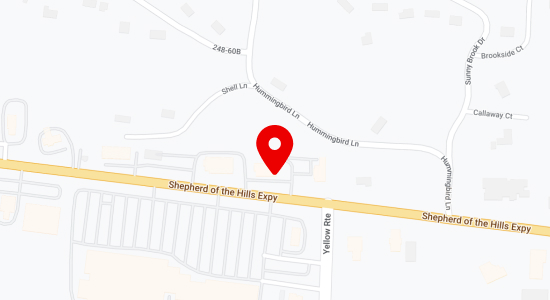
Please note that our law firm's address is for mail correspondence only. We do not accept in-office visits to this location. To schedule an appointment or consult with an attorney, please contact us via phone or email. Our contact information is readily available on our website. We look forward to hearing from you and strive to supply efficient and accessible legal services to our clients.
Branson, MO 65616