
Former Prosecutor
of 20 Years on
Your Side
of 20 Years on
Your Side






For many families, an underage drinking case begins with a phone call that seems manageable at first. A parent hears that a teenager was at a party, had a can in hand, tried to buy alcohol, smelled like beer, used someone else’s identification, or was found in a car with alcohol nearby. The first instinct is often to view the situation as a youthful mistake that will pass with a lecture, grounding, and embarrassment. In Missouri, though, underage drinking allegations can carry legal consequences that reach well beyond one night. A charge may affect school discipline, extracurricular activities, college applications, employment prospects, driving privileges, and a young person’s record.
These cases also catch families off guard because they are not always limited to obvious drinking conduct. A minor can face allegations for possessing alcohol, attempting to buy it, appearing visibly intoxicated, having a detectable blood alcohol content over the legal threshold for minors, or misrepresenting age to obtain liquor. In some situations, the case may also involve a fake ID issue, accusations tied to a party at a home or rental property, or related charges such as peace disturbance, trespass, assault, or property damage.
Scrivner Law Firm represents juveniles facing criminal and juvenile allegations in Taney, Stone, and Christian Counties. The firm is led by Dayrell Scrivner, a criminal defense attorney and former prosecutor with decades of legal experience. He previously served as an assistant prosecutor in Stone County and brings extensive local knowledge of the juvenile justice and criminal court systems in southwest Missouri. That background matters in underage drinking cases because these matters often move quickly, and what looks like a simple ticket or minor charge can become much more significant once law enforcement, school officials, parents, and the court system are all involved.
Missouri’s core minor in possession statute is Section 311.325. Under that law, a person under twenty-one can be charged not only for purchasing or attempting to purchase intoxicating liquor, but also for possessing it, being visibly intoxicated, or having a detectable blood alcohol content of more than two-hundredths of one percent by weight of alcohol in the blood. That means a young person does not necessarily need to be caught actively drinking to face a charge. The allegation may be based on possession alone, on physical signs officers describe as visible intoxication, or on testing that produces a result above the underage threshold.
For many families, that breadth comes as a surprise. They assume the state needs to prove the teen was drunk or was actually seen consuming alcohol. Missouri law is broader than that. A teenager standing at a party with alcohol nearby may become the focus of an investigation. A sealed container may lead to an accusation. A failed attempt to buy alcohol may be enough to create legal exposure. A young person who never drove and never caused an accident may still end up facing a misdemeanor charge.
Section 311.325 also increases the penalty for repeat allegations. A first violation is punishable as a class D misdemeanor, while a second or subsequent violation is punishable as a class A misdemeanor. That makes early case handling especially important. What a family does with the first case can affect the stakes in any future situation.
An underage drinking case does not have to involve jail to be disruptive. For a teenager or young adult, the immediate consequences may include suspension from school, removal from sports or clubs, restrictions on social activities, court dates, fines, alcohol education requirements, community service, and close supervision at home. Even when the charge is not treated as life-altering in the courtroom, it can become highly disruptive in real life.
The accusation can also follow the child into settings where character and judgment matter. Colleges, scholarship committees, military recruiters, and employers may ask about legal history. Some families assume a minor alcohol offense will automatically disappear or will never matter again. That is not a safe assumption. The better approach is to take the allegation seriously at the beginning and work toward the best possible outcome before the case hardens into a record that creates future problems.
Another reason these cases deserve prompt attention is that they often begin with incomplete facts. Officers arrive after the party has already changed. Adults and teens give conflicting accounts. One person admits ownership of the alcohol, another denies it, and several others are swept into the same narrative. The result is that a young person may be accused based on assumptions about possession, intoxication, or involvement rather than solid proof. A family should not assume the initial report tells the full story.
One of the most misunderstood parts of Missouri law is that underage alcohol allegations are not confined to a young person physically clutching an open container. Section 311.325 reaches several forms of conduct. The statute covers purchase, attempted purchase, possession, visible intoxication, and detectable alcohol content above the statutory threshold for persons under twenty-one.
That means the state may proceed in a variety of ways. Officers may claim the teen admitted drinking. They may say the teen smelled of alcohol, had slurred speech, glassy eyes, poor balance, or other signs they interpret as visible intoxication. They may rely on testing. They may point to cans, bottles, or containers found in a room, vehicle, cooler, or backpack and claim possession can be inferred from the circumstances.
The defense, however, should not simply accept those assumptions. Possession may be disputed. Intoxication may be overstated. Testing procedures may need scrutiny. Statements may have been made under pressure, confusion, or poor advice. In cases involving several teenagers, one person’s conduct is often treated as everyone’s conduct. That can be a serious mistake.
Underage drinking cases often involve more than alcohol itself. Missouri law also addresses age misrepresentation and altered identification in the alcohol context. Section 311.320 makes it a misdemeanor for a person between seventeen and twenty-one to represent that he or she has attained age twenty-one for the purpose of purchasing, asking for, or receiving intoxicating liquor. For a person under age seventeen, the statute states that the child may be considered delinquent and dealt with under Chapter 211.
That distinction is important because younger minors may be pushed into the juvenile system while older minors and young adults may face different treatment in criminal court. Either way, a fake-age allegation should not be minimized. The conduct often looks small to the family, especially if the identification was borrowed rather than manufactured, but prosecutors and courts can view it as deliberate dishonesty used to obtain alcohol illegally.
Section 311.320 also imposes a separate fine for a person under twenty-one who uses a reproduced, modified, or altered license, passport, military identification, or other qualifying identification for the purpose of purchasing or receiving intoxicating liquor. In addition, Section 311.328 addresses unauthorized reproduction, alteration, modification, or misrepresentation of a driver’s license or identification card and provides misdemeanor penalties that can include fines and confinement. In other words, what starts as a night out can quickly become a case involving both alcohol charges and document-related offenses.
A great many underage drinking charges arise from gatherings rather than traffic stops. Police may respond to noise complaints, suspicious traffic, a medical call, property damage, social media posts, or reports from neighbors. Once officers arrive, the case can expand quickly. One teenager is said to be visibly intoxicated. Another is accused of possession. Someone else is alleged to have tried to buy the alcohol. A parent, older sibling, renter, or homeowner may suddenly face questions about who allowed the gathering to happen.
Section 311.310 is especially important in those situations. That statute makes it a misdemeanor for a person, other than the minor’s parent or guardian in the circumstances set out by the statute, to procure for, sell, give away, or otherwise supply intoxicating liquor to a person under twenty-one. The statute also states that an owner, occupant, or other person or entity with lawful control of property who knowingly allows a person under twenty-one to drink or possess intoxicating liquor on the property, or knowingly fails to stop it, can be guilty of a class B misdemeanor, with enhanced treatment for repeat violations.
That can change the tone of a case immediately. The young person may not be the only one under scrutiny. Parents often come into these situations focused on the child’s charge alone, only to realize later that the facts of where the alcohol came from, who knew what, and who controlled the property may all become central issues.
Missouri’s underage alcohol law also contains an important testing provision that many families do not anticipate. Section 311.325 states that a person under twenty-one who purchases or attempts to purchase, possesses alcohol, or is visibly intoxicated is deemed to have given consent to chemical testing of breath, blood, saliva, or urine for the purpose of determining alcohol or drug content. The statute limits the implied consent to not more than two such tests arising from the same arrest, incident, or charge and also provides for access to information concerning the test upon request.
Although this is distinct from the DUI or DWI issues covered elsewhere, it still matters because a minor alcohol case may rest partly on testing rather than on visible behavior alone. Families should not assume that a test result ends every defense issue. Questions can still arise about the stop, the arrest, the basis for testing, the procedures used, the interpretation of the result, and whether the surrounding facts match the legal theory the state is pursuing.
Underage drinking cases require more than a lecture about making better choices. They require careful attention to statutes, evidence, age-specific procedure, local practice, and long-term consequences. Scrivner Law Firm handles juvenile and criminal matters in Taney, Stone, and Christian Counties and emphasizes local experience and individualized defense strategy. Dayrell Scrivner’s background as a former prosecutor can be especially valuable in these matters because he understands how cases are screened, how charging decisions are made, and where the state may be overreaching.
For families, that kind of perspective matters. A parent does not just need to know what the statute says. The parent needs to know how the local court may treat the child, how to respond to law enforcement contact, when school concerns may intersect with the case, and what steps can help prevent one mistake from becoming a defining event.
If your child has been cited or arrested for minor in possession, attempted purchase, visible intoxication, fake ID use, or another underage alcohol-related offense in Missouri, it is wise to address the situation early. The law can create exposure that is broader than many families realize, and juvenile court or criminal court consequences can extend far beyond the night of the incident.
Scrivner Law Firm represents juveniles, young adults, and families facing alcohol-related allegations in southwest Missouri. With Dayrell Scrivner’s former-prosecutor background and local court experience, the firm is prepared to examine the facts, explain the process, and work toward a result that protects your child’s future as much as possible. Contact Scrivner Law Firm today to discuss your case.
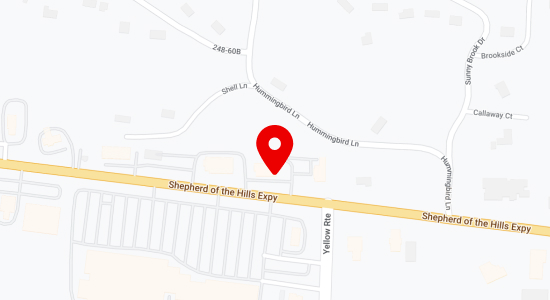
Please note that our law firm's address is for mail correspondence only. We do not accept in-office visits to this location. To schedule an appointment or consult with an attorney, please contact us via phone or email. Our contact information is readily available on our website. We look forward to hearing from you and strive to supply efficient and accessible legal services to our clients.
Branson, MO 65616