
Former Prosecutor
of 20 Years on
Your Side
of 20 Years on
Your Side







Accusations of vandalism can throw an entire household into turmoil. What begins as a prank, a moment of peer pressure, or a poor decision can suddenly transform into a juvenile court case with financial, academic, and legal consequences. Missouri does not dismiss property damage as harmless mischief. Schools, homeowners, and businesses expect accountability, and prosecutors often see vandalism as an indicator of deeper issues in a young person’s life.
Scrivner Law Firm, led by former prosecutor and seasoned criminal defense attorney Dayrell Scrivner, represents juveniles and families in Taney, Stone, and Christian Counties who face vandalism and property damage allegations. With decades of experience, attorney Scrivner understands exactly how these cases are handled from the investigative stage through final disposition, and he works to protect both the youth and their long term future.
Although vandalism may not involve physical harm, the impact on victims can be significant. Schools may face repair bills, homeowners may feel targeted, and businesses may suffer real financial losses. For this reason, vandalism is often treated as more than simple misbehavior.
Courts look at the overall picture: the level of damage, the juvenile’s intent, whether the behavior was planned, whether it involved a group, and whether the incident is part of a larger pattern of trouble at school or at home. Even a child with no prior issues can find themselves facing:
Missouri’s juvenile courts focus on accountability and rehabilitation, but they also expect juveniles to understand the seriousness of destroying someone else’s property.
Juvenile vandalism allegations fall under the state’s property damage statutes, but the way the law is applied depends on the value of the damage, the circumstances of the incident, and the type of property affected.
Property damage generally describes knowingly damaging the property of another. Missouri divides this offense into two main levels:
First Degree Property Damage (RSMo 569.100) applies when the destruction is substantial, when the cost exceeds a statutory threshold, or when the act involves circumstances that jeopardize public safety.
Second Degree Property Damage (RSMo 569.120) covers most cases where a juvenile intentionally or recklessly damages property without permission.
Missouri also recognizes Institutional Vandalism (RSMo 569.095), which applies when property belonging to a school, church, cemetery, or other protected institution is destroyed or defaced.
Because vandalism on school grounds is common among juveniles, this statute plays a role in many cases.
In some situations, the case involves tampering rather than outright destruction. RSMo 569.090 (Tampering) applies when a juvenile interferes with vehicles, signs, machinery, or utility property. Many vandalism cases involving cars, equipment, or public fixtures fall under this statute.
No two vandalism cases look the same. Families often feel blindsided because the behavior may seem typical for teenagers, yet the legal implications can be far more serious. Common scenarios include:
Schools are among the most frequent locations for vandalism allegations. Administrators may discover graffiti in restrooms, broken property, damaged lockers, or destroyed electronics. Schools may involve law enforcement immediately, even before contacting parents.
Many vandalism cases occur in groups. A juvenile may simply “be there,” but other students may blame them to avoid responsibility. Peer pressure often plays a major role in decisions to break or deface property.
Homeowners sometimes report damage to fences, mailboxes, vehicles, or outdoor structures. Surveillance cameras, doorbell footage, or neighbor reports may be used to identify a juvenile they believe is responsible.
In recent years, social media challenges have encouraged destructive behavior, such as damaging school bathrooms or taking items from classrooms. Videos posted online may exaggerate involvement or misidentify who actually caused the damage.
A young person may damage property during an argument or moment of anger. Although not premeditated, the law does not distinguish between impulsive acts and planned damage.
After a report is made, the case is usually forwarded to the juvenile officer in the county where the incident occurred. The juvenile officer acts as both investigator and gatekeeper, deciding how the case will proceed.
The juvenile officer may review:
The juvenile officer uses this perspective to determine whether to offer informal handling, pursue diversion, or file a formal petition.
Parents are often surprised to learn that school administrators or law enforcement may question minors before notifying family members. Once parents become aware, they play a crucial role. Cooperation alone, however, is not enough. Well meaning parents may unintentionally allow their child to make statements that harm the case. Seeking legal representation early prevents these missteps.
When the juvenile officer files a petition, the case officially enters the juvenile court system. The petition describes the alleged vandalism and gives the court authority to address the matter. At this stage, the judge may first decide whether the juvenile should remain at home or be temporarily held in detention. Although detention is uncommon in vandalism cases, it can occur when the damage is extensive, when the youth has prior involvement with the system, or when the court believes that supervision at home is inadequate. A brief hearing is held quickly, giving the family an opportunity to show that the child can be safely supervised outside a detention facility.
After addressing detention, the court schedules additional hearings to review the juvenile’s circumstances, school performance, and possible need for services. During this phase, attorneys often negotiate with the juvenile officer to explore alternatives such as informal supervision or diversion, especially if the youth has no prior referrals. These early discussions can sometimes resolve the case without the need for a formal adjudication. If the case proceeds, both sides prepare evidence. The court may consider photographs, repair bills, statements from witnesses, or any digital content connected to the incident. Throughout this process, the attorney works to ensure the juvenile’s rights are protected and that the evidence is fairly evaluated.
If the case ultimately moves to adjudication, the judge hears testimony and reviews evidence to determine whether the allegations have been proven. Juvenile court does not use juries, so the judge alone decides the outcome. If the court finds the allegations unproven, the case is dismissed. If the court finds them true, the matter proceeds to disposition, where the focus shifts to accountability, restitution, and rehabilitation. The goal of the process is not only to address the alleged misconduct but also to understand the juvenile’s needs and support their ability to avoid future problems.
At adjudication, the court determines whether the evidence proves the juvenile committed the alleged acts. The evidence may include testimony from school officials, neighbors, or police, as well as repair invoices, photographs, or digital evidence. Because vandalism often happens in groups, the judge must determine whether the youth’s conduct amounts to direct participation, aiding, encouraging, or merely being present.
The standard of proof in juvenile court is similar to the adult system. The state must present credible evidence showing the juvenile knowingly damaged property. An effective defense attorney scrutinizes every detail of the evidence, challenges unreliable statements, and clarifies the juvenile’s true involvement.
If the court finds the allegations true, the case proceeds to disposition. The consequences vary widely and depend on the juvenile’s background, the level of damage, and the risk of future misconduct.
Possible outcomes include:
Juvenile judges prefer rehabilitative approaches. They want juveniles to understand the harm, take responsibility, and avoid future trouble.
Restitution is often central in vandalism cases. Missouri courts require juveniles and their parents to pay for repairs, replacements, and sometimes labor costs. These financial obligations can be significant, especially when electronics or school equipment are damaged.
Families sometimes dispute the amount or nature of the repairs. Challenging excessive or speculative estimates is an important part of the defense.
Schools frequently impose serious consequences for vandalism even before the court makes a finding. These may include:
Legal representation can help families navigate both the court process and the school disciplinary system.
Although vandalism is generally considered a non violent offense, a case may be certified to adult court if the allegations involve extreme damage or if vandalism occurred as part of a larger offense such as burglary or arson. Missouri law permits certification for juveniles aged fourteen to seventeen when the conduct would be a felony for an adult and the court believes the juvenile system cannot provide adequate supervision.
Scrivner Law Firm works aggressively to prevent certification and present the juvenile as a candidate for rehabilitation rather than transfer.
Scrivner Law Firm approaches every vandalism case with a commitment to understanding the juvenile’s life, not just the allegations. Attorney Dayrell Scrivner’s prosecutorial background allows him to anticipate the arguments and evidence that juvenile officers and judges find persuasive.
The firm’s strategy emphasizes:
The firm also assists with related school issues and long term record protection.
Parents should avoid letting their child explain themselves to school staff or law enforcement without an attorney. Even well intentioned statements may be used against the youth. Families should gather any messages, videos, or photos connected to the incident and avoid communication with the alleged victim or property owner. Contacting a juvenile defense attorney immediately can help shape the outcome from the earliest stages.
A vandalism allegation can feel overwhelming, but with the right legal support, many young people resolve these cases without lasting damage. Scrivner Law Firm represents juveniles throughout Taney, Stone, and Christian Counties, offering skill, guidance, and advocacy focused on protecting the youth’s future.
If your child has been accused of vandalism, you can contact Scrivner Law Firm for a confidential consultation. Early action often leads to better outcomes and a smoother path through Missouri’s juvenile justice system.
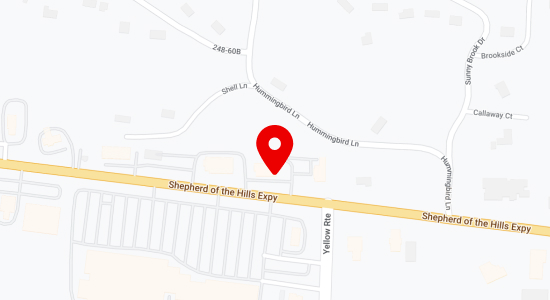
Please note that our law firm's address is for mail correspondence only. We do not accept in-office visits to this location. To schedule an appointment or consult with an attorney, please contact us via phone or email. Our contact information is readily available on our website. We look forward to hearing from you and strive to supply efficient and accessible legal services to our clients.
Branson, MO 65616