
Former Prosecutor
of 20 Years on
Your Side
of 20 Years on
Your Side







When a child is accused of stealing, parents often feel blindsided. A moment that may have started with a store security stop, a missing phone, an accusation from a classmate, or an impulsive decision can suddenly become a juvenile court case with serious consequences. In Missouri, theft-related allegations involving minors can expose a young person to detention, court supervision, restitution, community service, school discipline, and in more serious cases, long-term damage to future opportunities. Missouri’s juvenile system is not identical to the adult criminal system, but that does not mean a juvenile theft allegation should ever be treated casually. Missouri’s theft statutes can carry significant weight, and the facts of the case still matter from the very beginning.
Scrivner Law Firm represents clients in criminal and juvenile matters across Taney, Stone, and Christian Counties. The firm is led by Dayrell Scrivner, a criminal defense attorney and former prosecutor with more than 30 years in the legal profession, including 20 years as a prosecutor. His background includes service as Chief Assistant Prosecutor, courtroom experience, and work connected to problem-solving courts in the region. That combination matters in juvenile theft cases because parents do not just need general reassurance. They need clear advice, a strategic response, and a lawyer who understands how prosecutors and juvenile officers evaluate these allegations.
Some parents hear the word “juvenile” and assume the case will simply go away if the child apologizes, returns the property, or has never been in trouble before. That assumption can be costly. Even when the amount involved is low, the allegation may lead to a formal petition, court appearances, detention questions, probation conditions, restitution demands, and restrictions that affect home life, school, athletics, and extracurricular activities. The court may focus on rehabilitation, but rehabilitation can still involve very real penalties and court control over a child’s daily life. Missouri juvenile law also provides for counsel, detention hearings in certain circumstances, and confidentiality rules that are important, but limited. Families should act early, not wait to see how serious the court makes it.
The first version of the story is often written by store personnel, police officers, school officials, or a complaining witness. By the time a family starts asking questions, the accusation may already be framed in a way that assumes intent to steal. That is dangerous in any theft case, especially with minors. Children act impulsively. They miscommunicate. They borrow without permission. They panic when confronted. They say things they do not mean. Those facts do not excuse criminal conduct, but they can make a major difference in whether the state can actually prove a theft offense or whether the situation has been misunderstood from the start.
Missouri’s primary stealing statute is Section 570.030. In plain terms, the statute makes it an offense to appropriate another person’s property or services with the purpose to deprive the owner of it, either without consent or by deceit or coercion. The same statute also covers receiving, retaining, or disposing of property while knowing or believing it has been stolen. That means a juvenile can face a theft allegation not only for allegedly taking something, but also for possessing or handling property the state claims was stolen.
A large share of juvenile theft accusations begin in retail settings. A minor may be accused of concealing merchandise, switching price tags, walking out with unpaid items, or participating with friends in a group theft. Missouri law does not require the case to involve a dramatic getaway. In many cases, the legal fight centers on intent. Was the item intentionally concealed? Was there an intent to leave without paying? Was the juvenile following someone else’s lead without fully realizing what was happening? Was the accusation based on assumptions rather than solid evidence?
In retail matters, Missouri law can also create pressure through presumptions and civil exposure. Missouri case law interpreting Section 537.125 recognizes that willful concealment may support an inference of intent to steal, but that does not end the inquiry. Intent remains a factual issue. A child may have explanations that matter, and the state still must prove its case. In addition to any juvenile proceeding, families should also be aware that civil demands can arise out of alleged shoplifting incidents involving minors.
Parents are often surprised when a child is accused of theft even though the child did not allegedly take the item from its owner. Section 570.030 also covers situations where someone receives, keeps, or disposes of property knowing or believing it was stolen. This comes up with phones, bicycles, gaming systems, tools, and electronics passed around among teenagers. The state may argue that the surrounding facts show the juvenile knew the property was stolen. The defense may focus on lack of knowledge, lack of proof, or innocent possession.
Teenagers sometimes end up accused of theft-related conduct involving another person’s card, online account, or payment information. Section 570.130 covers fraudulent use of a credit or debit device when a person uses a device to obtain property or services knowing it is stolen, fictitious, forged, revoked, canceled, or otherwise unauthorized. In today’s world, juvenile theft allegations are not limited to taking physical items from a shelf. They can involve app purchases, food delivery orders, gaming transactions, ride-share charges, or tapping someone else’s stored payment information.
Some juvenile cases are described informally as car theft when the statute charged is different. Section 569.080 makes first-degree tampering a class D felony and includes knowingly receiving, possessing, selling, or unlawfully operating a motor vehicle, motorcycle, motorboat, airplane, or similar vehicle without the owner’s consent. In the juvenile setting, this can arise from so-called joyriding, borrowing a vehicle without permission, riding in a vehicle known to be stolen, or helping someone move or hide a vehicle. The facts matter because not every teenager in a car knows what happened before getting in, and not every unauthorized use is identical from a legal standpoint.
Under Section 570.030, the grading of stealing depends heavily on the value of the property, the type of property, and the circumstances of the allegation. Missouri law sets different felony levels for certain conduct, including organized retail theft, theft of vehicles, theft from the person, and theft involving property worth at least seven hundred fifty dollars or much more in higher categories. Even though a juvenile case may stay in juvenile court, the seriousness of the underlying conduct still influences how the court, the juvenile officer, and the prosecutor view the matter. A theft involving a small retail item is not treated the same as a coordinated theft ring, a vehicle-related offense, or a high-dollar allegation.
That is one reason families should resist the urge to assume the case is minor just because the child is under seventeen. In Missouri, juvenile court jurisdiction generally applies to children under seventeen, with related provisions for certain older youth depending on the case posture, and the court can retain jurisdiction in some circumstances. The label “juvenile” does not automatically reduce the practical seriousness of the allegation.
A juvenile theft case may begin with a school report, store detention, police contact, referral to the juvenile office, or the filing of a formal petition. The child may be released to a parent, diverted informally, or detained, depending on the facts and the court’s decisions. If detention occurs, Missouri law places time limits on how long a juvenile may remain detained without a hearing. Section 211.061 states that a juvenile shall not remain in detention for more than twenty-four hours unless the court orders a detention hearing, and if that hearing is not held within three days, excluding weekends and legal holidays, the juvenile is to be released absent good cause for a continuance.
Parents should not try to navigate this process alone. Section 211.211 provides that a child is entitled to counsel in delinquency proceedings under Section 211.031, and Missouri law addresses appointment, waiver, and hearings where representation is especially important. In practical terms, counsel can make a difference at the detention stage, the adjudication stage, and the disposition stage. Early legal intervention can also influence how the child’s statements, school records, phone records, social media posts, and restitution issues are handled.
Juvenile cases do not always use the same language as adult criminal cases, but the stakes are still real. Instead of a criminal conviction, a juvenile may face an adjudication of delinquency. If that happens, the court can enter orders involving supervision, treatment, counseling, curfews, school attendance requirements, community service, restitution, and in more serious situations, commitment to the Division of Youth Services. Missouri law permits commitment orders and length-of-stay decisions that can extend well beyond the immediate crisis a family is facing when the case first begins.
Not every juvenile theft matter stays comfortably in juvenile court. In certain cases, Missouri law allows the child to be transferred for prosecution under the general law. Section 211.071 addresses certification issues and gives the prosecuting attorney access to reports and records in that process. Once a juvenile matter is dismissed for prosecution under the general law and the child is convicted, the juvenile court’s jurisdiction over that child for later law violations is fundamentally altered. While certification tends to arise in more severe cases, families should understand that repeat conduct, felony-level facts, and aggravating circumstances can raise the risk.
Even when certification is not on the table, the practical consequences can still be severe. Schools may impose discipline. Athletics and scholarships may be affected. Parents may face civil claims or restitution demands. Trust within the family can fracture. In some situations, law enforcement may fingerprint a juvenile if the alleged offense would be a felony if committed by an adult.
Parents understandably ask whether a juvenile theft record will stay private. Missouri law provides confidentiality protections for juvenile records, but those protections are not absolute. Section 211.321 states that juvenile court records generally are not open to inspection except by court order to persons with a legitimate interest, but the statute also contains important exceptions. Families should avoid assuming that a juvenile case is invisible forever. A careful legal strategy should account for present consequences and future record concerns at the same time.
In some situations, Missouri law also provides expungement relief for particular offenses prosecuted in municipal associate or circuit court. For example, Section 610.140 includes fraudulent use of a credit or debit device under Section 570.130 among offenses that may be eligible for expungement under the statute’s terms. That does not mean every juvenile theft case disappears automatically, but it underscores why case handling at the outset matters so much. A rushed admission or poorly managed outcome can create consequences that are far harder to unwind later.
Juvenile theft cases require more than a generic defense. They require judgment, composure, and a clear plan. Scrivner Law Firm’s juvenile and criminal defense practice is built around helping clients through difficult situations in Taney, Stone, and Christian Counties. Dayrell Scrivner’s experience as a former prosecutor gives him insight into how theft allegations are screened, charged, and litigated. The firm emphasizes dedicated support for families navigating the juvenile justice system, and that focus is especially important when a parent is trying to protect a child’s future while dealing with immediate court pressure.
A juvenile theft case is never just about the property at issue. It is about school, family stability, reputation, and the path a young person takes from here. The sooner the family has informed legal guidance, the better the chance of challenging weak assumptions, protecting the child’s rights, and pursuing an outcome that does not define the child by one accusation or one bad decision.
If your son or daughter has been accused of shoplifting, stealing, possessing stolen property, unauthorized use of a card, or a vehicle-related theft offense, it is important to act quickly. Early decisions can affect detention, statements, petitions, negotiations, and the overall direction of the case. Scrivner Law Firm represents families facing juvenile allegations in southwest Missouri and brings local experience, prosecutor-side insight, and focused defense strategy to these matters. A prompt consultation can help you understand the allegations, the applicable Missouri statutes, and the next best step for protecting your child.
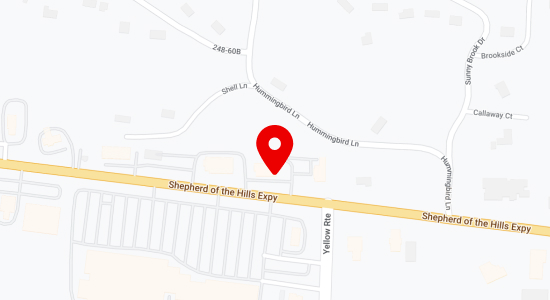
Please note that our law firm's address is for mail correspondence only. We do not accept in-office visits to this location. To schedule an appointment or consult with an attorney, please contact us via phone or email. Our contact information is readily available on our website. We look forward to hearing from you and strive to supply efficient and accessible legal services to our clients.
Branson, MO 65616