
Former Prosecutor
of 20 Years on
Your Side
of 20 Years on
Your Side







Allegations involving firearms are among the most serious matters a young person can face in Missouri. Even when no one is physically injured, the presence of a gun causes schools, prosecutors, and judges to respond with heightened concern. Families are often left scrambling to understand the allegations, protect their child’s rights, and prevent one incident from shaping their future. The situation may involve police questioning, school discipline, detention decisions, and the frightening possibility that the court could view the youth as an adult offender.
Scrivner Law Firm, led by criminal defense attorney and former prosecutor Dayrell Scrivner, represents juveniles throughout Taney, Stone, and Christian Counties who are accused of firearm related conduct. With decades of experience on both sides of the criminal justice system, attorney Scrivner understands exactly how gun allegations are investigated, evaluated, and resolved. His extensive background as a prosecutor provides valuable insight into how these cases are built and how to protect a young person’s future.
Missouri’s firearm statutes apply to adults and minors alike, but the juvenile system handles these cases differently. Young people are often charged under statutes that regulate weapon possession, display, discharge, or transfer. Cases may involve a firearm found during a school search, a gun located in a vehicle, a weapon shown on social media, or a situation where a juvenile held a gun belonging to another person. Regardless of how the incident begins, Missouri law treats firearm related conduct with exceptional seriousness.
Several Missouri statutes appear most frequently in juvenile gun cases:
The specific statute used depends on whether the firearm was possessed, displayed, altered, discharged, or connected to an additional offense.
Many firearm allegations involving minors originate at school. Administrators may search a backpack, locker, or vehicle after receiving a report from another student. Even a non operational gun or realistic imitation firearm may lead to a referral to the juvenile office. Schools often impose immediate disciplinary measures such as removal from campus while also notifying law enforcement.
Other cases begin when police discover a weapon during a traffic stop, curfew check, or investigation at a residence. If the young person is under eighteen, officers generally transfer custody to juvenile authorities rather than place the youth in an adult jail.
After law enforcement or school officials report a firearm allegation, the juvenile officer evaluates the case. The officer considers the youth’s school history, prior referrals, the type of firearm involved, whether the weapon was loaded, and whether threats or dangerous behavior were reported. Based on this assessment, the juvenile officer may file a petition, offer diversion in rare instances, or decline to proceed. Gun allegations most often result in formal court involvement due to safety concerns.
If a juvenile is taken into custody, the court may hold a detention hearing shortly afterward. The judge determines whether the youth may return home or must remain in detention while the case is pending. Judges examine the juvenile’s supervision at home, prior record, school behavior, and the specific conduct alleged. They also evaluate whether the youth has access to weapons and whether the community faces any risk if the juvenile is released. Because firearms raise safety concerns, detention hearings in gun cases often receive close scrutiny.
If a petition is filed, the case proceeds to a series of hearings. These include discussions about evidence, witness statements, the juvenile’s placement, and whether the youth admits or denies the allegations. If the matter proceeds to adjudication, the judge reviews the evidence and decides whether the allegations are proven. There is no jury in a Missouri juvenile adjudication.
If the court finds the allegations true, the case moves to disposition. Judges may impose probation with supervision, firearm safety education, counseling, curfews, community service, or no contact conditions. If the situation involved threats, injuries, or loaded firearms, the court may consider residential placement or referral to the Division of Youth Services. The goal of the juvenile court is protection and rehabilitation, yet firearm cases often trigger stricter oversight compared to other juvenile matters.
School consequences also arise. A juvenile may be removed from classes, disciplined by the school board, assigned to an alternative education program, or restricted from extracurricular activities. Even if the juvenile court imposes a lenient outcome, school discipline may still impact academic progress.
Juvenile firearm adjudications can have long term effects. Young people may face challenges with college applications, military enlistment, professional licensing, or employment opportunities if the case remains accessible. Missouri does not automatically seal juvenile records, so protecting those records from future exposure is essential.
Firearm cases are among the most likely types of juvenile matters to be reviewed for potential certification to adult court. Under section 211.071, a young person between fourteen and seventeen may be transferred to adult court if the alleged conduct would be a felony and if the court finds that the juvenile system is not the appropriate forum.
During a certification hearing, the court considers the juvenile’s age, maturity, home environment, school record, prior referrals, and the seriousness of the conduct. When a gun is involved, certification becomes a real risk, especially if the firearm was discharged, used in connection with another offense, or found in circumstances suggesting significant danger. Avoiding certification is often a primary focus of defense strategy.
Firearm allegations require a thorough examination of the facts. Scrivner Law Firm evaluates how the weapon was discovered, whether the juvenile was questioned properly, and whether the search met constitutional standards. In many cases, questions of possession arise. A firearm found in a shared space such as a car or home does not automatically prove that the juvenile knowingly possessed it.
Search and seizure issues frequently play a major role. School searches must comply with established standards, and law enforcement officers must respect constitutional protections when conducting stops or searches. If officers or school staff exceed their authority, evidence may be limited or suppressed.
Statements from witnesses and alleged threats must also be examined closely. Teenagers often repeat rumors or misunderstand the intent of the accused. In some situations, the weapon may be a BB gun, airsoft gun, or inoperable firearm, which can affect how the statute applies.
Finally, rehabilitation is a crucial factor in juvenile court. Demonstrating strong family involvement, consistent school attendance, counseling efforts, and a plan for supervision can influence the judge’s decision on both detention and disposition.
Scrivner Law Firm provides representation that focuses on protecting both the juvenile and their long term opportunities. Attorney Dayrell Scrivner’s career as a prosecutor gives him unique insight into how firearm cases are analyzed. He understands the significance prosecutors attach to weapons, the type of evidence that can reduce a case’s severity, and the arguments that can persuade the juvenile officer or judge to avoid certification.
The firm works closely with families to develop a complete picture of the youth’s background, strengths, challenges, and support system. This helps the court see the young person as more than the allegation and strengthens arguments for rehabilitation oriented outcomes. The firm also helps parents navigate school disciplinary processes, counseling referrals, and strategies for record protection.
Parents should act quickly and carefully when a gun related allegation involves their child. They should avoid allowing the youth to give statements to police or school staff without legal input. Parents should also gather any relevant information such as messages, videos, or eyewitness accounts and confirm that any firearms at home are securely stored. Early communication with an experienced Missouri juvenile defense attorney can help prevent avoidable mistakes and guide the family through the complex process ahead.
A juvenile firearm allegation can alter a young person’s life, but with knowledgeable representation, many youths are able to move forward without lasting harm. Scrivner Law Firm represents children and teens facing gun related accusations throughout Taney, Stone, and Christian Counties. Attorney Dayrell Scrivner brings decades of courtroom experience, strong negotiation skills, and a deep commitment to protecting young people in the Missouri juvenile system.
If your child is facing a gun related allegation, you may contact Scrivner Law Firm by phone or through the website’s contact form to schedule a confidential consultation. Early legal action can greatly influence both the immediate outcome and your child’s long term future.
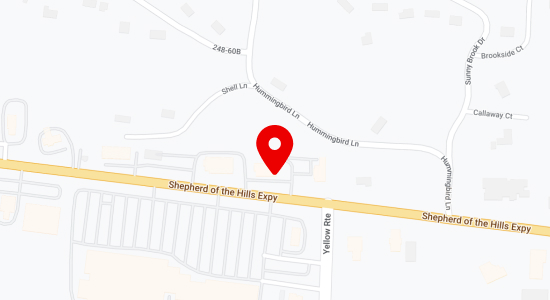
Please note that our law firm's address is for mail correspondence only. We do not accept in-office visits to this location. To schedule an appointment or consult with an attorney, please contact us via phone or email. Our contact information is readily available on our website. We look forward to hearing from you and strive to supply efficient and accessible legal services to our clients.
Branson, MO 65616