
Former Prosecutor
of 20 Years on
Your Side
of 20 Years on
Your Side







When a juvenile is accused of fraud, families are often caught off guard. Many parents expect the juvenile system to focus on fights, vandalism, drug possession, or school-related allegations. Fraud cases feel different. They often involve phones, apps, online accounts, payment platforms, gift cards, checks, debit cards, identity information, or school and retail transactions that did not look serious at first. What begins as a prank, a dare, a borrowed card, a fake profile, or a dishonest online transaction can quickly become a delinquency matter with real consequences.
In Missouri, fraud allegations involving juveniles can take many forms. A minor may be accused of using another person’s identifying information, making unauthorized purchases, passing a bad check, altering a document, using false information to obtain money or services, or participating in a scheme with friends. Depending on the facts, prosecutors and juvenile officers may tie the allegations to statutes involving stealing by deceit under RSMo § 570.030, forgery under RSMo § 570.090, passing bad checks under RSMo § 570.120, fraudulent use of a credit or debit device under RSMo § 570.130, identity theft under RSMo § 570.223, or even filing false documents under RSMo § 570.095.
Although juvenile proceedings are different from adult criminal prosecutions, they are still serious. A finding that a child committed a fraud-related offense can affect school discipline, restitution, future opportunities, and in some cases arguments about whether a child should remain in juvenile court. Early legal intervention matters.
Scrivner Law Firm represents juveniles and families facing difficult allegations in southwest Missouri. The firm is led by Dayrell Scrivner, a criminal defense attorney and former prosecutor with decades of experience in the legal system, including many years handling serious cases from the prosecution side. That background matters in juvenile fraud cases because it helps identify how the state will build its theory, what facts prosecutors will view as signs of intent, and where the defense can challenge weak assumptions before they harden into a formal case.
Fraud cases are rarely as simple as they first appear. In many juvenile matters, the accusation is built from incomplete digital records, conflicting witness statements, screenshots without full context, or assumptions about who used a device or account. Adults sometimes assume that because a transaction came from a child’s phone, laptop, or social media account, that child must have acted knowingly and alone. That is not always true.
Intent is a major issue. Many Missouri fraud statutes require proof that the person acted with a purpose to defraud, deceive, or deprive. That is a critical distinction. A juvenile may have clicked through a payment screen without appreciating what would happen. Another child may have shared account access. A teen may have used information handed to him or her by someone else without fully understanding where it came from. In other situations, the accusation is exaggerated. A family dispute, school conflict, broken friendship, or online argument can lead to allegations that sound far more deliberate than the evidence really supports.
The stakes are also bigger than many people realize. Juvenile court has exclusive original jurisdiction in many delinquency matters under RSMo § 211.031, but that does not make the case minor or informal. A child may face detention, court supervision, restitution demands, strict conditions, school consequences, and long-term stress for the whole family. If the allegations are severe enough, certification issues may also become part of the discussion under Missouri law.
Missouri’s stealing statute, RSMo § 570.030, reaches more than taking physical property. It also covers obtaining property or services by deceit. For juveniles, this can arise from online sales scams, false payment representations, dishonest refund attempts, fake fundraising activity, misleading marketplace transactions, or using another person’s account to obtain goods or services.
In these cases, the state often tries to prove that the child intentionally misled someone in order to obtain value. The defense may focus on lack of intent, mistaken identity, weak proof of authorship, or the absence of actual deception.
Forgery under RSMo § 570.090 can appear in juvenile cases involving altered school records, fake signatures, changed receipts, modified checks, falsified permission slips used for money-related purposes, or digitally altered documents. The statute focuses on making, completing, altering, or authenticating writings with the purpose to defraud.
A forged document allegation can sound overwhelming, but the legal issue is not whether a writing changed. The real question is whether the state can prove the required fraudulent purpose and connect that conduct to the juvenile beyond speculation.
Under RSMo § 570.120, passing bad checks can become a juvenile issue when a minor writes a check on an account with insufficient funds, uses an account that does not exist, or participates in a short-run scheme involving checks. Sometimes these matters involve school activities, resale transactions, or older teens with limited access to banking who imitate adult behavior without understanding the legal risk.
These cases frequently turn on timing, account knowledge, and whether the payee accepted delayed presentment or knew the funds were not then available. Those details can matter greatly in the defense.
RSMo § 570.130 covers fraudulent use of a credit device or debit device. Juvenile accusations under this statute may involve using a parent’s card without permission, entering stored payment information online, making repeated app purchases, using another student’s card information, or participating in group shopping activity where one teen supplies the payment credentials and others benefit.
The statute can escalate based on the amount obtained within a thirty-day period. That means what looked like several small purchases may be grouped together and treated more aggressively.
Identity theft under RSMo § 570.223 is one of the most serious fraud-related allegations a juvenile can face. It involves obtaining, possessing, transferring, or using means of identification not lawfully issued for the person’s use, with intent to deceive or defraud. In real life, this might involve using someone else’s name, account credentials, debit information, Social Security information, or other identifying data to make purchases, create accounts, or obtain benefits.
Juvenile identity theft cases often arise from internet activity. A child may have access to information through shared devices, family paperwork, group chats, or screenshots. The state may view that possession itself as suspicious. The defense has to examine how the information was obtained, who else had access, and whether the evidence truly shows fraudulent intent.
Fraud cases are document-heavy. They often rely on account logs, merchant records, payment histories, bank data, social media messages, device extractions, screenshots, and interviews. That can make the accusation seem stronger than it is. Volume is not the same thing as proof.
A juvenile officer or prosecutor may try to present the case as a neat timeline. First the child accessed information. Then the child used it. Then money or property changed hands. But real cases are rarely that clean. Accounts are shared. Phones pass from hand to hand. Friends influence each other. Transactions are sometimes reversed. Screenshots can be edited or incomplete. Witnesses guess. Adults fill in gaps with assumptions.
Dayrell Scrivner’s background as a former prosecutor is particularly valuable in this setting. He knows how the government organizes a paper case, how it frames intent, and what evidence tends to persuade courts unless it is challenged carefully and early. That perspective helps families move from panic to strategy.
Fraud allegations often rise or fall on intent. A child may have acted carelessly, impulsively, or immaturely without forming the level of intent required by the statute. Missouri statutes such as RSMo § 570.090 and § 570.223 use terms like purpose to defraud or intent to deceive. Those are not throwaway phrases. The state has to prove them.
A strong defense may focus on lack of sophistication, confusion about permission, peer pressure, misunderstanding of online systems, or absence of proof that the juvenile knew the conduct was unauthorized.
In modern juvenile cases, one of the biggest questions is authorship. Just because a transaction came from a device associated with a child does not automatically prove that child made it. Shared passwords, borrowed phones, school-issued devices, family tablets, and group access are all relevant.
This is where careful factual work matters. Login records, timing, witness interviews, and competing access patterns can all undermine a prosecution theory that looked straightforward on paper.
Sometimes the accusation sounds like fraud in a general sense, but the facts do not neatly fit the elements of the offense charged. A juvenile may be accused of forgery when the issue is really unauthorized use. Or the state may allege identity theft when the evidence only shows possession, not deceptive use. In other cases, a stealing by deceit theory may fail because there was no actual misrepresentation that induced a transfer of money or property.
The difference between suspicious conduct and a provable statutory violation matters. Good defense work forces the court to look at the legal elements, not just the label attached to the accusation.
When a child is facing a fraud allegation, families need more than general reassurance. They need a lawyer who can evaluate evidence, anticipate the prosecution’s theory, and explain what is really at risk. Dayrell Scrivner brings more than three decades of legal experience and spent many years as a prosecutor, including serving in a leadership role as Chief Assistant Prosecutor. That history gives him a practical view of how juvenile cases are screened, charged, and argued.
Scrivner Law Firm also emphasizes individualized representation. That matters in juvenile fraud defense because no two cases are alike. One child may need a defense centered on mistaken identity and digital evidence. Another may need a strategy focused on keeping the case in juvenile court, reducing exposure, addressing restitution issues, and protecting the child’s future. A firm that takes time to understand the child’s circumstances, school situation, family concerns, and long-term goals is better positioned to pursue the right result.
For families in Taney County, Stone County, Christian County, and surrounding areas, local experience matters too. Juvenile court practice is shaped not only by statutes, but by local procedures, expectations, and how decision-makers evaluate a child’s conduct and prospects.
The first priority is to stay calm and avoid making the case worse. Do not push your child to explain everything to police, school officials, or store investigators without counsel. Do not assume that cooperation without legal advice will make the matter disappear. Preserve records instead. Save texts, emails, receipts, account notices, app histories, school communications, and any device information that may provide context.
Parents should also avoid trying to privately negotiate the matter in ways that create harmful admissions. In fraud cases, casual apologies, repayment offers, and social media messages can later be used as evidence. That does not mean resolution is impossible. It means the timing and wording matter.
Most importantly, involve defense counsel early. The sooner a lawyer can assess the facts, the better the chance of limiting the damage, protecting the child during questioning, challenging weak evidence, and presenting the child as a whole person rather than a police summary.
A juvenile fraud accusation can place a child’s reputation, education, and future under immediate pressure. Even when the case began with a misunderstanding, the juvenile system can move quickly, and fraud-related allegations often come wrapped in documents and digital records that make them appear stronger than they really are. Families need a careful, informed defense that looks beyond the accusation and focuses on the evidence, the law, and the child’s future.
Scrivner Law Firm represents juveniles and families facing serious allegations in Missouri. Led by Dayrell Scrivner, a criminal defense attorney and former prosecutor, the firm brings seasoned judgment, local experience, and a strategic approach to difficult juvenile cases. If your child is being investigated or has already been accused of fraud, identity theft, forgery, stealing by deceit, or fraudulent use of payment information, contact Scrivner Law Firm to discuss the situation and begin building a defense.
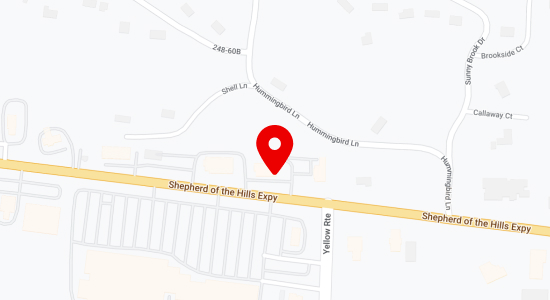
Please note that our law firm's address is for mail correspondence only. We do not accept in-office visits to this location. To schedule an appointment or consult with an attorney, please contact us via phone or email. Our contact information is readily available on our website. We look forward to hearing from you and strive to supply efficient and accessible legal services to our clients.
Branson, MO 65616