
Former Prosecutor
of 20 Years on
Your Side
of 20 Years on
Your Side







A juvenile DUI or DWI case can shake a family in a different way than many other juvenile charges. When a child is accused of driving after drinking or using drugs, parents are not only worried about court. They are worried about safety, trust, insurance, school, transportation, and whether one night could create a long-lasting record. In Missouri, those concerns are justified. A juvenile driving-under-the-influence case can affect a young person’s license, expose the child to juvenile court or criminal court consequences depending on age and circumstances, and create problems that follow the family long after the traffic stop is over.
These cases also carry more legal complexity than many parents expect. Missouri law does not treat all underage drinking-and-driving situations the same way. A young driver may face a traditional DWI allegation under Section 577.010, an excessive blood alcohol content allegation under Section 577.012, an administrative license suspension issue under Section 302.505, or an underage alcohol-related violation under Section 311.325. In other words, a case may involve more than one track at once. Even where the blood alcohol level is below the standard adult .08 threshold, a driver under twenty-one may still face license consequences based on Missouri’s lower .02 standard for younger drivers.
Scrivner Law Firm represents juveniles and families in Taney, Stone, and Christian Counties. The firm is headed by Dayrell Scrivner, a criminal defense attorney and former prosecutor with decades of legal experience. That background matters in juvenile DUI and DWI cases because these matters often move quickly, and the prosecution may begin building its theory before a family fully understands what is at stake.
Many underage alcohol cases begin and end with allegations of possession, purchase, or visible intoxication. A juvenile DUI or DWI allegation is different because it adds the risk of operating a vehicle. That changes how police investigate the event, how prosecutors view the facts, and how the state handles the young person’s driving privileges.
A parent may initially think the case is minor because there was no accident, no injury, and no extreme behavior. But Missouri law does not require a crash before serious consequences can begin. A stop based on alleged bad driving, a traffic violation, an equipment issue, or another lawful basis can lead to roadside questioning, chemical testing, court proceedings, and administrative action against the license. In many families, the license issue becomes urgent immediately because school, work, sports, and family logistics often depend on that young driver being able to get around.
These cases also tend to produce strong emotional reactions. The child may be frightened and ashamed. Parents may feel angry and panicked at the same time. Officers may treat the matter as open and shut if there is an odor of alcohol, an admission, field sobriety testing, or a breath result. Yet those cases are not always as simple as they look in the first report. The stop, the observations, the testing, and the legal theory all still need to be examined carefully.
Missouri’s core DWI statute is Section 577.010. Under that law, a person commits the offense of driving while intoxicated if he or she operates a vehicle while in an intoxicated condition. The offense is generally a class B misdemeanor for a first offense, though the grading can rise with prior offenses or aggravating circumstances.
Missouri also has a separate excessive blood alcohol content statute in Section 577.012. That statute applies when a person operates a vehicle with a blood alcohol concentration of eight-hundredths of one percent or more by weight. Like DWI, it is generally a class B misdemeanor for a first offense, with higher penalties for repeat offenders.
For juveniles and other drivers under twenty-one, those are not the only rules that matter. Section 302.505 authorizes license suspension or revocation when the Department of Revenue determines that the driver was arrested on probable cause and had a blood alcohol concentration of .08 or more, or when the driver was under twenty-one and was stopped on probable cause while driving with a blood alcohol concentration of .02 or more. That lower .02 threshold is a major reason juvenile DUI and DWI cases require careful attention even when the alcohol level is well below the adult .08 benchmark.
One of the most misunderstood parts of Missouri law is that a young driver can face license consequences without being anywhere near the adult .08 level. Parents often hear “he was under .08” or “she only had a little to drink” and assume the matter is far less serious. For a driver under twenty-one, that assumption can be wrong.
Under Section 302.505, Missouri may suspend or revoke a younger driver’s license when the driver was stopped on probable cause and had a blood alcohol concentration of .02 or more. That means a relatively low result can still trigger real consequences. Missouri’s Department of Revenue also explains on its DWI page that, if ordered by the court, anyone under twenty-one may have driving privileges suspended for ninety days for a first offense, or revoked for one year for a subsequent offense, under Missouri’s Abuse and Lose laws for certain alcohol-related conduct.
This is one reason parents should not treat a juvenile DUI or DWI case as if it were only a short-term discipline problem. The case may affect both the courtroom and the driver’s license. Those are related, but they are not identical.
Most juvenile DUI and DWI cases begin with the stop itself. An officer may claim the child was speeding, weaving, drifting, braking oddly, failing to use signals, or violating another traffic rule. In other cases, the stop follows a crash, a report from another driver, or contact at a checkpoint or parking lot. Once the officer approaches the vehicle, the case often shifts to observations. The report may mention an odor of alcohol, red eyes, fumbling, delayed answers, slurred speech, open containers, or admissions about drinking.
From there, the state may rely on field sobriety testing, chemical testing, or both. Yet none of those elements should be accepted blindly. A child may be nervous, overwhelmed, exhausted, crying, injured, or confused. Poor balance or shaky speech does not always prove intoxication. A roadside interaction at night can feel intimidating even to a completely sober teenager. Breath or blood testing may also raise legal and factual questions depending on how the stop, arrest, and testing unfolded.
In some cases, the allegation involves alcohol. In others, it may involve marijuana, prescription medication, or another controlled substance. Section 577.010 speaks in terms of operating while intoxicated, not only in terms of alcohol. That means juvenile DWI allegations can involve drugs as well as alcohol.
Families often assume that because the driver is a minor, the matter automatically stays in juvenile court. That is not always how these cases unfold. The precise path can depend on the child’s age, the charge, the court, and the surrounding facts. Missouri juvenile courts have authority in delinquency proceedings involving children under the statutory framework in Chapter 211, and a child in those proceedings is entitled to counsel under Section 211.211.
If the matter proceeds in juvenile court, parents should not assume that means the case is minor. Juvenile court can still impose serious conditions, including supervision, counseling, treatment, curfews, and other restrictions. If the child is detained, Missouri law limits how long detention may continue without a hearing. Section 211.061 states that a juvenile generally may not remain in detention for more than twenty-four hours unless the court orders a detention hearing, and if the hearing is not held within three days, excluding weekends and legal holidays, the juvenile is to be released absent good cause to continue the matter.
Where the case is not in juvenile court, the child may instead face prosecution in a more traditional criminal setting. That is one reason families should get clear guidance early rather than making assumptions about what forum will control the case.
One of the hardest parts of juvenile DUI and DWI cases is that the driver’s license issue may move on its own timeline. Parents often focus first on the court date and only later realize that the license problem required immediate attention. Under Section 302.505, the Department of Revenue may suspend or revoke driving privileges based on the arrest and the test result or probable cause findings. That administrative track can be enormously disruptive for a family that depends on the child to drive to school, work, or activities.
Missouri also has additional consequences for underage alcohol-related conduct through the Abuse and Lose laws discussed by the Department of Revenue. Those rules can come into play even outside the classic DUI trial framework. In practical terms, the family may be dealing with a court case, a license issue, and school or extracurricular consequences all at once.
A juvenile DUI or DWI case may not stand alone. Section 311.325 makes it a misdemeanor for a person under twenty-one to purchase, attempt to purchase, or possess intoxicating liquor, or to be visibly intoxicated, and it also states that such a person is deemed to have given implied consent to certain chemical tests for alcohol or drug content. That means a young driver may face both a driving-related case and a separate underage alcohol issue.
This overlap is one reason families should not view the matter too narrowly. What looks like “just a DUI” may involve possession, fake identification issues, party-related facts, passenger issues, or other allegations that complicate the defense and the possible outcome.
Juvenile DUI and DWI cases can affect more than fines or probation-like conditions. A young driver may lose the ability to drive to school or work. Insurance costs may rise. School discipline may follow. Athletics, scholarships, employment, and family trust can all take a hit. A later court or prosecutor may also look at the history differently if another incident occurs down the road.
For some underage alcohol convictions, Missouri law does provide a path to expungement. Section 311.326 allows expungement of certain first-time Section 311.325 violations after the statutory waiting period and other conditions are satisfied. But that relief is specific and limited, and it does not mean families should be casual at the beginning of the case. A better result early is usually far more valuable than hoping to clean up the record later.
Families often lose valuable time in the first days after a juvenile DUI or DWI arrest because they are focused on punishment at home, embarrassment, or simply getting the child through the immediate crisis. But these cases tend to reward early action. Counsel can evaluate the stop, the officer’s basis for arrest, the testing, the child’s statements, the license consequences, and the best route for protecting the child’s future.
Dayrell Scrivner’s experience as a former prosecutor is especially relevant here. Juvenile DUI and DWI cases often turn on how the state frames the event from the outset. A lawyer with experience from both sides of the courtroom is better positioned to see where the prosecution may be overreaching and where the family needs to act quickly.
If your child has been accused of DUI, DWI, driving with excessive blood alcohol content, or driving after drinking while under twenty-one, the case should be taken seriously right away. Missouri law creates exposure under Sections 577.010, 577.012, 302.505, and sometimes 311.325, and a single stop can create both court consequences and license consequences.
Scrivner Law Firm represents juveniles and families in southwest Missouri facing alcohol-related driving allegations. If your son or daughter is facing a juvenile DUI or DWI case, contact Scrivner Law Firm promptly to review the facts, protect your child’s rights, and begin working toward the strongest possible outcome.
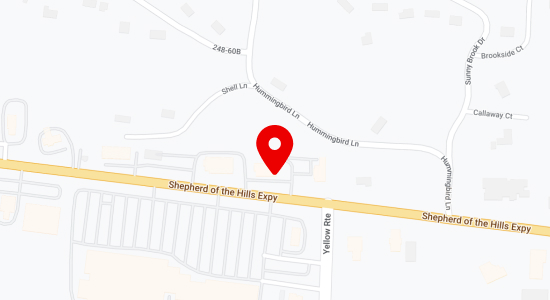
Please note that our law firm's address is for mail correspondence only. We do not accept in-office visits to this location. To schedule an appointment or consult with an attorney, please contact us via phone or email. Our contact information is readily available on our website. We look forward to hearing from you and strive to supply efficient and accessible legal services to our clients.
Branson, MO 65616