
Former Prosecutor
of 20 Years on
Your Side
of 20 Years on
Your Side







When a young person is accused of a drug offense in Missouri, the consequences reach far beyond the courtroom. Families often feel overwhelmed as they face questions about school suspension, possible detention, and whether this episode will alter their child’s opportunities in the years ahead. For many parents, the worry is not only about the legal case but about the child’s well being, peers, and future path.
Scrivner Law Firm, led by criminal defense attorney and former prosecutor Dayrell Scrivner, represents juveniles throughout Taney, Stone, and Christian Counties who are facing drug related allegations. With decades of legal experience, including approximately twenty years in a prosecutorial role, attorney Scrivner understands both how these cases are built and how they can be resolved in ways that protect a child’s life trajectory. He draws on that experience to help families navigate Missouri’s juvenile system with confidence and clarity.
Juvenile drug cases in Missouri can involve anything from simple possession to distribution level allegations. While the underlying offenses are contained in Missouri’s criminal statutes, particularly Chapters 195 and 579 of the Revised Statutes, cases involving minors are typically handled in the juvenile division rather than adult criminal court. That distinction affects everything from the terminology used in court to the range of dispositional options available.
Under Missouri law, the juvenile court has jurisdiction over individuals under eighteen who are accused of violating state law unless the case qualifies for certification to adult court. This means that a twelve year old experimenting with marijuana and a seventeen year old accused of selling controlled substances may both fall within the juvenile system, but the court’s response will differ significantly based on the nature of the offense and the child’s circumstances.
Juvenile drug cases can include a wide range of conduct. The most common allegations include:
The specific charge depends on the substance involved, the quantity, the location of the alleged conduct, and whether the youth has any prior history with juvenile services.
Drug crimes in Missouri fall primarily under RSMo Chapter 579. Among the most relevant statutes are:
While these statutes govern the underlying offenses, the juvenile court system applies a different set of procedures and goals when dealing with minors.
Missouri’s juvenile justice system prioritizes rehabilitation, accountability, and long term protection of minors. Guided by Chapter 211 of the Revised Statutes, juvenile courts focus on care and treatment rather than harsh punishment. However, drug cases are taken seriously, especially when they involve distribution, repeat behavior, or incidents on school grounds.
Many juvenile drug cases begin when school administrators or law enforcement discover substances during a search, traffic stop, or wellness check. Once officers determine the youth involved is underage, the matter is referred to a juvenile officer who evaluates the case.
The juvenile officer’s review typically includes:
After this review, the juvenile officer may choose to file a formal petition, recommend diversion, or decline to proceed.
If a juvenile is taken into custody, a juvenile officer or judge must quickly decide whether the child should stay in detention or be released to a parent or guardian. In drug cases, detention is less common unless the alleged conduct involves distribution, a large quantity of substances, or concerns about the youth’s safety.
A formal petition outlines the alleged drug offense and brings the case before the juvenile court. The youth is referred to as a respondent, and the case proceeds through hearings that address detention, admission or denial of allegations, evidence disclosures, and eventually adjudication and disposition.
At an adjudication hearing, the judge determines whether the allegations have been proven based on the evidence presented. Unlike adult criminal trials, juvenile adjudications do not involve juries. The judge alone determines the outcome.
The possibility of certification to adult court is one of the most concerning issues for families, though it is generally reserved for the most serious drug offenses. Under section 211.071, a child between fourteen and eighteen may be transferred to adult court if the conduct would constitute a felony and if the court believes adult prosecution is necessary to protect the community.
This means distribution or large scale possession with intent to distribute controlled substances may trigger a certification hearing, especially if firearms, weapons, or organized activity is involved.
The court evaluates several criteria during a certification hearing, including:
Certification is rare in simple possession cases but is a genuine risk in distribution allegations, particularly those involving Schedule I or II substances.
Every drug case is unique, and effective representation requires a tailored approach. Scrivner Law Firm examines the full context surrounding the allegations, including whether the juvenile’s rights were respected and whether the evidence is reliable.
Many juvenile drug cases originate from school searches, vehicle stops, or searches of backpacks and lockers. While schools have broader authority to search students, they still must follow legal standards, and police officers are bound by constitutional requirements.
Key issues may include:
Evidence obtained unlawfully can often be suppressed.
In group settings, such as a car with multiple teens or a shared locker, determining who actually possessed the drugs can be difficult. Prosecutors must prove that the youth knew of the substance and intended to exercise control over it. Cases involving shared spaces often present strong defenses.
Intent to distribute is often inferred from circumstantial evidence such as packaging materials, scales, communications, or the quantity of the substance. A skilled attorney can challenge whether these items truly indicate distribution or simply reflect common teenage behavior or misunderstandings.
The prosecution generally must prove that the substance involved is a controlled substance. In some cases, field tests are inaccurate or mishandled. An attorney may question testing procedures, lab results, or how evidence was stored and documented.
Courts are more receptive to treatment focused solutions when families show proactive engagement. Voluntary counseling, substance abuse assessments, or academic interventions can help the court view the youth as someone taking responsibility and committed to positive change.
Scrivner Law Firm emphasizes a comprehensive, family centered approach to juvenile defense. Drug allegations often reflect more than a legal issue. They may signal peer pressure, emotional struggles, experimentation, or gaps in supervision. The firm takes the time to understand the young person’s situation, goals, strengths, and challenges.
Key aspects of the firm’s representation include:
Attorney Dayrell Scrivner’s experience as a prosecutor provides valuable insight into how drug cases are evaluated by the state, what factors matter most, and how to present compelling arguments for rehabilitation oriented outcomes.
Parents play a crucial role in the outcome of a juvenile drug case. Taking prompt, informed action helps protect the child legally, academically, and emotionally.
The most important initial steps include:
Supportive parental involvement often helps the court view the child more favorably and can increase the likelihood of diversion or reduced consequences.
A juvenile drug case does not have to define a young person’s future. With the right legal guidance, many youths are able to complete treatment, avoid long term records, and regain their footing academically and socially.
Scrivner Law Firm represents juveniles and families in drug related cases throughout Taney, Stone, and Christian Counties. The firm is committed to safeguarding your child’s rights, protecting their record, and helping them move forward with the tools they need to succeed.
To discuss your child’s situation, you can contact Scrivner Law Firm by phone or through the contact form on the firm’s website. Early legal assistance can make a meaningful difference in both the immediate case and your family’s long term peace of mind.
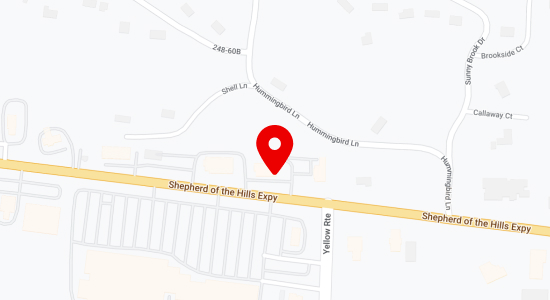
Please note that our law firm's address is for mail correspondence only. We do not accept in-office visits to this location. To schedule an appointment or consult with an attorney, please contact us via phone or email. Our contact information is readily available on our website. We look forward to hearing from you and strive to supply efficient and accessible legal services to our clients.
Branson, MO 65616