
Former Prosecutor
of 20 Years on
Your Side
of 20 Years on
Your Side







When a child or teenager is accused of assault in Missouri, it can feel like the ground drops out from under the entire family. You may be worried about court dates, possible detention, school discipline, and whether this mistake will follow your child into adulthood. You are not just dealing with a legal problem. You are dealing with your child’s future.
At Scrivner Law Firm, criminal defense attorney and former longtime prosecutor Dayrell Scrivner represents juveniles and families in assault and other violent offense cases throughout Taney, Stone, and Christian Counties and across Missouri. With more than thirty years in the legal profession, including approximately twenty years as a prosecutor and many of those years as a chief assistant prosecutor, he brings a perspective that very few defense lawyers can offer.
In Missouri, assault charges are defined in Chapter 565 of the Revised Statutes, and the same statutes apply whether the person accused is an adult or a juvenile. The key difference is where the case is handled and what the court is allowed to do with a young person.
Under the Missouri Juvenile Code, the juvenile court has authority over children who are under eighteen and alleged to have violated state law, subject to certain exceptions. That means a sixteen year old involved in a school fight and a thirty year old involved in a bar fight could be accused of similar underlying assault offenses, but the process and outcomes are very different.
Missouri recognizes several degrees of assault. The specific charge depends on the alleged conduct, the level of injury, whether a weapon is involved, and who the alleged victim is.
Although the exact statutory wording is technical, a simplified summary of the main non domestic assault offenses is helpful.
First degree assault is the most serious general assault charge. A person commits this offense by attempting to kill another person or by knowingly causing, or attempting to cause, serious physical injury.
For juveniles, this level of assault is often associated with very serious incidents, such as attacks involving weapons, alleged attempts to inflict life threatening harm, or assaults that leave the victim with long term injuries. A first degree assault allegation can trigger a mandatory transfer hearing to consider sending the youth to adult court, which is discussed below.
Second degree assault covers serious, but somewhat less extreme, conduct. Examples include knowingly causing serious physical injury under certain circumstances, causing injury while acting recklessly in a way that involves a deadly weapon, or recklessly causing injury through the discharge of a firearm.
A teenager who is accused of a fight involving a knife or who fires a gun and injures someone, even if they did not intend the exact harm that occurred, may face second degree assault allegations.
Third degree assault generally involves knowingly causing physical injury to another person. This can include broken bones, bruising, or other injuries that do not rise to the “serious physical injury” standard used in first and second degree assault.
In a juvenile context, third degree assault is often charged after school fights, parking lot confrontations, or incidents involving multiple students where one person ends up with visible injuries.
Fourth degree assault is the broadest category and can cover a wide range of conduct, such as attempting to cause or recklessly causing physical injury or pain, creating a substantial risk of serious injury, or placing another person in reasonable fear of immediate physical injury. It also includes certain offensive or provocative physical contact.
For juveniles, this may be charged in cases of pushing, shoving, or scuffles that do not produce significant injury, or in situations where the allegation is more about threatening or intimidating conduct than actual harm.
Missouri’s juvenile justice system is governed primarily by Chapter 211 of the Revised Statutes. The juvenile or family court in each circuit has exclusive original jurisdiction over proceedings involving children who are alleged to have violated state law, subject to specific exceptions.
The philosophy behind the juvenile system is different from adult criminal court. While accountability is still important, the focus is on care, protection, discipline, and rehabilitation rather than punishment alone. However, this does not mean that juvenile assault charges are minor or that they can be ignored. The court has wide discretion to impose conditions, supervision, and even confinement, and the consequences can be long lasting if the matter is not handled carefully.
Missouri adopted “Raise the Age” legislation so that, in most cases, juvenile court jurisdiction now extends to youth under eighteen years old. Before this change, seventeen year olds were automatically treated as adults in the criminal system.
Today, a sixteen or seventeen year old who is accused of assault will generally start in juvenile court, unless the case has already been certified or the charge falls into one of the narrow exceptions set out in statute.
One of the most serious risks in a juvenile assault case is certification to stand trial as an adult. Under section 211.071, if a petition alleges that a child between fourteen and eighteen has committed an offense that would be a felony if committed by an adult, the juvenile court may, after a hearing, dismiss the juvenile petition and transfer the case to a court of general jurisdiction.
The statute goes further for the most serious offenses. When a petition alleges certain violent crimes including first degree assault under section 565.050, and similar serious offenses, the court must hold a certification hearing to decide whether to keep the case in the juvenile system or transfer it.
In deciding whether to transfer a juvenile to adult court, the judge looks at a range of factors laid out in section 211.071. These include:
Once a case is certified and the juvenile is convicted in adult court, juvenile jurisdiction over that person is generally terminated for that offense. For a family facing a serious assault allegation, avoiding certification is often one of the most important goals.
Juvenile assault cases are typically initiated through a referral to the juvenile officer. The juvenile officer investigates the allegation and decides whether to file a petition, seek informal supervision, or decline to proceed.
Section 211.071 specifically allows the juvenile officer to consult with the prosecuting attorney in cases that could be certified. The prosecutor may review police reports, juvenile officer reports, witness statements, and prior dispositions. In many circuits, the attorney for the juvenile officer is the one who presents the case in court, while the family court judge serves as the decision maker.
This structure makes it especially valuable to have a defense lawyer who understands how prosecutors evaluate cases, what information they focus on, and what types of arguments can persuade them to agree to diversion, reduced charges, or a recommendation against certification.
Every case is unique, but many juvenile assault matters follow a similar path.
Law enforcement can take a juvenile into custody if there is probable cause to believe the child committed an assault offense. That contact may occur at school, at home, or in a public place. In most situations, officers must contact a parent or guardian quickly and refer the case to the juvenile officer or juvenile detention center rather than booking the youth in an adult jail.
After a young person is brought to juvenile authorities, a deputy juvenile officer typically assesses the situation. They look at the seriousness of the allegation, the child’s prior record, school history, family support, and any risks to public safety. Based on this assessment, the juvenile may:
If the juvenile officer believes the allegation should move forward, a formal petition is filed in juvenile or family court. The petition acts similarly to a charging document in adult court, but the youth is generally referred to as a respondent rather than a defendant.
Over the course of several hearings, the court will address issues such as whether the child will remain at home or in detention while the case is pending, whether the child admits or denies the allegations, what evidence the state intends to use at an adjudication hearing, and whether the case should be certified to adult court in serious assault matters.
If the case proceeds to an adjudication hearing, the judge hears evidence and decides whether the allegations in the petition have been proven. There is no jury in typical juvenile proceedings.
If the court finds the allegations true, the case moves to disposition. Possible outcomes in a juvenile assault case include diversion or informal supervision with counseling, community service, apology letters, or educational programs, formal probation with conditions such as school attendance, curfew, no contact with the alleged victim, and participation in anger management or therapy, restitution to the victim for medical bills or property damage, placement in a residential treatment program or with the Division of Youth Services in more serious cases, or additional conditions tailored to the youth’s needs such as substance use treatment, mental health services, or family counseling.
Judges in juvenile cases focus on rehabilitation and have a wide variety of options including diversion, probation, detention, and certification when necessary.
Scrivner Law Firm focuses on client centered criminal defense with a strong commitment to protecting young people facing juvenile charges in Taney, Stone, and Christian Counties.
Key elements that set the firm apart include extensive prosecutorial experience, deep knowledge of local courts and juvenile procedures, and a consistent focus on rehabilitation and long term protection of the youth’s record. Dayrell Scrivner spent about twenty years as a prosecutor, including years supervising other prosecutors and helping develop specialty courts such as drug and veterans treatment courts.
The firm’s local experience also matters. Familiarity with how juvenile officers, judges, and prosecutors in the region approach assault cases enables the firm to craft strategies that reflect real world practices, not just theoretical defenses.
Above all, Scrivner Law Firm prioritizes communication with families. Juvenile cases involve parents or guardians as much as they involve the youth, and the firm helps families understand every step, from detention hearings to record sealing options.
If your child has been arrested or is under investigation for assault, it is crucial to act quickly and avoid missteps.
Do not allow your child to speak with police, school administrators, or the alleged victim without legal advice. Well intended explanations can easily be misinterpreted or used against the child later.
Gather available information such as school incident reports, names of witnesses, photos of injuries, or screenshots of messages or social media posts. These details can be important in building a defense.
Most importantly, speak with an experienced juvenile defense attorney. A lawyer can communicate with the juvenile officer, advocate during detention and certification hearings, challenge unreliable evidence, and work toward outcomes that protect your child’s record and opportunities.
A juvenile assault case can affect far more than one school year or a few hearings. It can shape how teachers, employers, and institutions see a young person for years to come. With skilled legal representation, many youth can move past an assault allegation and preserve their future.
Scrivner Law Firm, led by criminal defense attorney and former prosecutor Dayrell Scrivner, represents juveniles facing assault and other violent charges in Taney, Stone, and Christian Counties and throughout Missouri. The firm is based in Branson and works with families across the region who need knowledgeable and compassionate representation in the juvenile system.
If your child has been accused of juvenile assault in Missouri, you do not have to navigate this alone. You can call Scrivner Law Firm at the number listed on the firm’s website or use the online contact form there to request a confidential consultation. Early legal intervention can make a meaningful difference in both the immediate outcome and your child’s long term future.
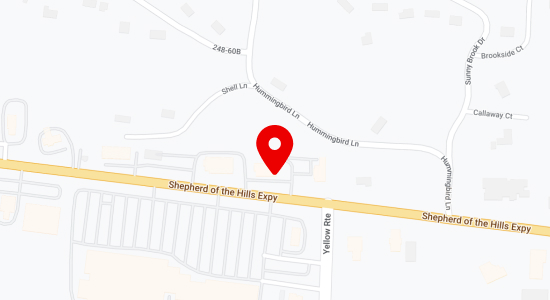
Please note that our law firm's address is for mail correspondence only. We do not accept in-office visits to this location. To schedule an appointment or consult with an attorney, please contact us via phone or email. Our contact information is readily available on our website. We look forward to hearing from you and strive to supply efficient and accessible legal services to our clients.
Branson, MO 65616