
Former Prosecutor
of 20 Years on
Your Side
of 20 Years on
Your Side









A demand sent through a text message, email, social-media account, or encrypted messaging service can take on a very different meaning when it is paired with a threat. Investigators may focus on whether someone demanded money, cryptocurrency, property, confidential information, or another benefit while threatening to expose private material, damage a reputation, accuse someone of wrongdoing, disrupt computer systems, or cause other harm. What matters is not simply that the communication occurred online, but whether the alleged threat and demand satisfy the elements of a criminal offense.
That analysis can lead in several directions. Missouri law may treat certain conduct as stealing accomplished through coercion, while separate provisions address threats involving private sexual images. Federal authorities may become involved when the allegations concern interstate communications, computer systems, ransomware, stolen data, or other conduct falling within federal extortion statutes. Determining which law applies requires a close examination of what was communicated, what the sender allegedly sought to obtain, and the evidence connecting the accused person to the account or device involved.
Scrivner Law Firm handles serious criminal matters for clients in Taney County and throughout Southwest Missouri. Attorney Dayrell Scrivner is a former prosecutor with more than 30 years of legal experience, including approximately 20 years on the prosecution side. That experience allows the firm to evaluate an online-extortion allegation with particular attention to how prosecutors may characterize the communications, establish intent, and attempt to connect digital and financial evidence to the accused.
An ugly or offensive online message is not automatically extortion. The central issue is usually whether the sender allegedly used a threat as leverage to obtain property, money, conduct, or another legally recognized thing of value.
That distinction matters because online disputes can contain pressure without necessarily satisfying a criminal extortion statute. A former business partner may demand repayment. One person may threaten to file a lawsuit. A customer may threaten to publish a negative review. Someone in a personal dispute may make accusations without asking for anything in return. The legal analysis changes when the prosecution claims that a particular threat was intentionally tied to a demand for value.
The demand can involve cash, bank transfers, cryptocurrency, gift cards, digital assets, passwords, business information, property, or other benefits. Prosecutors may focus on the wording, timing, response, and whether anything of value actually changed hands.
Missouri does not need a charge titled “online extortion” to prosecute conduct described as blackmail or extortion. Under RSMo 570.030, a person commits stealing when he or she appropriates property or services of another with the purpose to deprive that person of them, either without consent or by means of deceit or coercion.
RSMo 570.010 gives “coercion” a detailed meaning. It includes a threat, however communicated, to commit an offense; inflict future physical injury; accuse a person of an offense; expose a person to hatred, contempt, or ridicule; harm a person’s credit or business reputation; misuse public action; or inflict certain other harm that would not benefit the actor. Because the definition applies to a threat “however communicated,” texts, direct messages, email, social-media communications, online chats, and other electronic communications can become relevant evidence.
The classification of stealing depends on the property or services and, in many cases, their value. Under RSMo 570.030, $25,000 or more can support a class C felony, while $750 or more can support a class D felony. Other classifications may apply, and value from one scheme or course of conduct may be aggregated.
Missouri’s definition of coercion contains an important but limited justification provision. A threat of accusation, lawsuit, or other invocation of official action is not coercion when the property sought was honestly claimed as restitution or indemnification for harm connected to the threatened action, or as compensation for property or lawful services. The defendant bears the burden of injecting that justification issue.
This provision can make the underlying relationship between the parties critical. A message demanding payment of an actual debt while threatening a lawful collection action presents a different legal question from a demand for money accompanied by a threat to invent criminal accusations or publish unrelated damaging information. The existence of a legitimate dispute does not automatically defeat an extortion allegation, but neither should every forceful demand be treated as criminal coercion without examining what was actually claimed and why.
Some allegations commonly described as “sextortion” fall within a specific Missouri offense. RSMo 573.112 addresses threatening the nonconsensual dissemination of private sexual images. The statute applies when a person gains or attempts to gain anything of value, or coerces or attempts to coerce another person to act or refrain from acting, by threatening to disseminate a private sexual image against the depicted person’s will when the statutory identification and image-content requirements are met.
The ordinary offense is a class E felony. Repeat offenses can be elevated, and the statute provides more serious classifications when the image depicts a minor or vulnerable person or when the threat is the proximate cause of serious physical injury or death.
If an image is actually disseminated, RSMo 573.110 may also become relevant. That section addresses intentional nonconsensual dissemination of qualifying private sexual images when the required intent, privacy, identification, and lack-of-consent elements are established. RSMo 573.114 also provides for court-ordered restitution in cases under the related private-image statutes. These provisions make it especially important to distinguish a threatened disclosure from an actual disclosure and to identify exactly what image is alleged to be involved.
Online communications can create federal exposure when the required interstate or foreign commerce connection exists. One of the principal statutes is 18 U.S.C. § 875.
Section 875(d) applies when a person, with intent to extort money or another thing of value, transmits an interstate or foreign communication containing a threat to injure property or reputation or a threat to accuse someone of a crime. A conviction can carry up to two years of imprisonment.
Section 875(b) addresses a different and more serious category: interstate or foreign communications containing a threat to kidnap a person or injure another person when made with intent to extort money or another thing of value. That offense can carry up to 20 years of imprisonment.
The precise wording therefore matters. A threat to reveal information, inflict physical harm, or damage a computer can implicate different federal statutes with different elements and penalties.
Cyber extortion can also be prosecuted under the federal Computer Fraud and Abuse Act, 18 U.S.C. § 1030. Subsection 1030(a)(7) focuses specifically on extortion involving protected computers.
It covers interstate or foreign communications made with intent to extort money or another thing of value that contain a threat to damage a protected computer, a threat to obtain information from a protected computer without authorization or beyond authorized access, a threat to impair the confidentiality of information obtained through unauthorized or excessive access, or certain demands connected to computer damage caused to facilitate extortion.
The statute can apply to allegations involving ransomware, locked systems, stolen databases, threatened leaks, compromised accounts, or demands following unauthorized access. A first offense under subsection (a)(7) can carry up to five years of imprisonment, with increased exposure after a qualifying prior conviction.
The government still has to prove the statutory connection to a protected computer, the prohibited communication, and the intent to extort. A technical intrusion and an extortion demand may be related, but the government must establish the elements of the particular offense charged rather than simply relying on the label “cyberattack.”
Another potential federal statute is the Hobbs Act, 18 U.S.C. § 1951. It prohibits robbery or extortion that obstructs, delays, or affects commerce, including attempts and conspiracies. The statute defines extortion as obtaining property from another, with consent induced by wrongful use of actual or threatened force, violence, or fear, or under color of official right. A violation can carry up to 20 years of imprisonment.
The Hobbs Act is not interchangeable with every form of coercion. Its language requires the obtaining of property and a federal commerce connection. In an online case involving a business, commercial payment, digital asset, or threat directed at commercial operations, prosecutors may examine whether those requirements can be met.
In many cyber-extortion cases, everyone agrees that a threatening message exists. The harder question may be who sent it.
Investigators can examine IP logs, device identifiers, account-recovery records, cloud data, login history, subscriber information, payment records, cryptocurrency transactions, multifactor-authentication records, browser artifacts, metadata, and seized phones or computers. They may compare that information with the timing and content of messages to argue that one person controlled an account.
That evidence is not self-explanatory. Accounts can be shared, compromised, spoofed, synchronized, or accessed from multiple devices. An IP address can identify a connection without necessarily identifying the user. Screenshots can omit earlier messages, replies, timestamps, usernames, or surrounding context.
A defense review should therefore separate account ownership from authorship and authorship from criminal intent. It should also determine whether the digital evidence was obtained through warrants, subpoenas, consent searches, device extractions, or other investigative methods that can be examined for constitutional and procedural issues.
Extortion cases are unusually dependent on context because a short statement can mean different things within a longer exchange. Sarcasm, negotiation, anger, bluffing, debt collection, an attempt to recover property, or a threat to exercise a lawful right can look different when the full conversation is read rather than a single screenshot.
The defense may examine whether there was actually a demand for money or value, whether the alleged threat was conditional, whether the accused intended to extort, whether the recipient understood the communication as alleged, and whether the demanded property was connected to a legitimate claim. In a computer case, authorization to access an account or system can also become central. In a federal case, the interstate-commerce and jurisdictional elements require separate attention.
Financial evidence can be equally important. The absence of payment does not necessarily end the inquiry because attempt statutes can still apply. Fund destinations, cryptocurrency-wallet control, bank records, and payment communications may affect whether the government can connect a demand to the accused.
Cyber-extortion allegations can cross traditional practice-area boundaries. One case may combine stealing, threats, private-image allegations, computer access, federal communications statutes, and financial records. The defense needs to determine which statutes actually fit instead of allowing the broad word “extortion” to substitute for a careful elements analysis.
Dayrell Scrivner’s prosecutorial background gives Scrivner Law Firm experience evaluating how the government develops criminal theories from witness accounts, communications, digital records, and alleged motive. The defense can then test those pieces individually: whether the communication is authentic, whether the account can be attributed to the accused, whether a qualifying threat was made, whether the required intent existed, whether property or value was sought, and whether state or federal jurisdiction is supported.
For clients in Taney County and the surrounding area, the objective is not merely to explain what “cyber extortion” means. It is to identify the exact offense under investigation, the evidence supporting each required element, and the legal and factual disputes that can shape the defense.
Online extortion allegations often depend on details that are easy to lose when a few messages or screenshots are viewed by themselves. The defense may need to determine what was actually demanded, whether the communication contained a legally qualifying threat, who controlled the account, and how payment records, device data, or other digital evidence fit into the government’s version of events.
Scrivner Law Firm can examine those issues from the perspective of both the applicable criminal statutes and the evidence investigators intend to use. Attorney Dayrell Scrivner’s experience as a former prosecutor and criminal defense lawyer can be particularly valuable when evaluating how authorities may attempt to connect separate communications, financial activity, and digital records to an alleged extortion scheme.
If you are facing allegations involving online extortion, cyber extortion, blackmail, ransomware, or threatened disclosure of private material in Taney County or elsewhere in Southwest Missouri, contact Scrivner Law Firm through the firm’s online contact form to request a consultation and discuss the circumstances of the case.
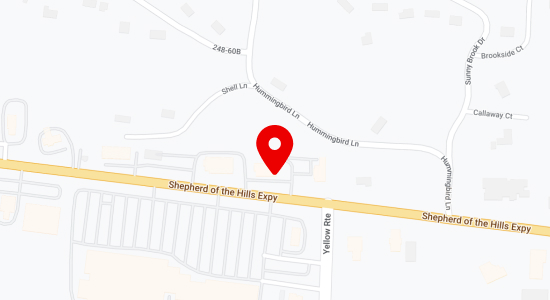
Please note that our law firm's address is for mail correspondence only. We do not accept in-office visits to this location. To schedule an appointment or consult with an attorney, please contact us via phone or email. Our contact information is readily available on our website. We look forward to hearing from you and strive to supply efficient and accessible legal services to our clients.
Branson, MO 65616