
Former Prosecutor
of 20 Years on
Your Side
of 20 Years on
Your Side







Firearm purchase laws in Missouri and under federal law are complex, and the stakes for violating them can be extremely high. Accusations involving an illegal gun purchase or a “straw purchase” often lead to severe criminal charges, even when the person did not intend to break the law or believed they were helping someone who could not buy a firearm on their own. These cases frequently involve misunderstandings during the background check process, mistakes on federal forms, or assumptions made by law enforcement when a firearm ends up in the hands of someone prohibited from possessing it.
At Scrivner Law Firm, attorney Dayrell Scrivner draws on decades of experience as a former prosecutor and defense attorney to unravel the evidence, examine how the purchase occurred, and defend clients accused of violating state or federal firearms purchase laws. Because these cases can involve both Missouri statutes and federal regulations, a successful defense requires a thorough understanding of how the law defines prohibited purchases, what the government must prove, and how innocent conduct can be misinterpreted.
Missouri does not require a permit to purchase a firearm, and private sales between individuals are not heavily regulated. However, Missouri law still prohibits knowingly purchasing or transferring a firearm to someone who is disqualified from owning one. In addition, federal law controls all purchases from licensed firearm dealers and imposes strict penalties for providing false information during the purchase process.
An illegal purchase accusation typically arises under one of the following circumstances:
Law enforcement may also investigate a buyer if a gun they purchased is later used in a crime, even when the buyer no longer had possession of the weapon and had no involvement in the later incident.
These investigations can take months, and many people learn about the allegations only after federal agents or local law enforcement attempt to question them. Contacting an attorney before speaking with investigators is one of the most important steps you can take.
Straw purchasing is most commonly prosecuted under federal law rather than Missouri statutes. A straw purchase occurs when one person buys a firearm on behalf of someone else who is either legally prohibited from owning a gun or who wishes to avoid the background check process.
Federal law, under 18 U.S.C. § 922(a)(6) and related statutes, considers it a crime to knowingly make a false or misleading statement to a licensed firearms dealer or to provide false information on the required federal firearm transaction record. When the buyer claims to be the “actual purchaser” but is purchasing the gun for someone else, federal prosecutors may treat the transaction as fraudulent.
A straw purchase can occur even if the ultimate recipient could legally own a firearm. What matters is whether the buyer misrepresented who the true purchaser was at the time of the sale. This often surprises people who believe they acted lawfully because the intended recipient was not prohibited from owning a gun.
Once investigators believe a straw purchase took place, they may bring charges not only against the buyer but also against the person who requested or received the firearm. Penalties in federal cases can include years in federal prison, especially if the transaction involved someone prohibited from possessing weapons.
While much of the focus in straw purchasing cases is federal, Missouri law also plays a role. Missouri prohibits supplying firearms to certain individuals, including:
A person who knowingly transfers a gun to someone within these categories may face state charges. Missouri law also incorporates criminal liability for aiding or encouraging unlawful conduct. If law enforcement believes the buyer acquired the gun with the intention of placing it in the hands of someone prohibited, state charges can include unlawful transfer of a weapon, conspiracy, or other related offenses.
Because both state and federal authorities often have jurisdiction, a person can face investigations from multiple agencies. The choice of whether to prosecute in state or federal court depends on the facts, the agencies involved, and the prosecutor’s priorities. An attorney familiar with both systems can help navigate this complexity.
Straw purchasing accusations can arise in many everyday circumstances, and not all involve intentional wrongdoing. Some common situations include:
Investigators often rely on sales records, communications, and assumptions about who had money, motive, or access to the weapon. A defense attorney must examine each of these elements to show that the accused did not intend to bypass the law and did not knowingly participate in an illegal transfer.
The ATF Form 4473 is the required document for purchasing a firearm from a licensed dealer. The form includes a question asking whether the buyer is the actual transferee or purchaser. Many straw purchase prosecutions hinge on how this question was answered.
People can be charged even if they misunderstood the question, misinterpreted its meaning, or believed they were acting lawfully. Federal law does not require proof that the buyer intended harm, only that the buyer knowingly made a false statement.
This means that honest mistakes, language barriers, confusing instructions, or unclear explanations from dealership staff can all lead to criminal charges. A thorough defense often requires analyzing how the form was explained, whether the buyer understood it, and whether the government can actually prove intent to deceive.
Firearm purchase investigations often begin when:
Law enforcement may contact the original purchaser and request an interview. Many people believe they can simply explain the situation, not realizing that investigators may already suspect a straw purchase. Statements made in these interviews can become key evidence later.
A defense attorney’s job is to determine what evidence law enforcement actually has, including:
Not all evidence is reliable, and misunderstandings are common. A careful review can reveal gaps in the investigation, assumptions not supported by facts, and contradictions that can weaken the prosecution’s case.
Straw purchasing cases often involve more than one charge. Prosecutors may add offenses such as:
The presence of additional charges can greatly increase the potential penalties. Some federal firearm offenses carry statutory minimum sentences, and even first time offenders can face years in prison. Early negotiation and strategic defense work can sometimes prevent a case from escalating or persuade prosecutors to pursue reduced charges.
Penalties for illegal firearm purchases vary widely depending on whether the case is prosecuted in federal or state court. Under federal law, making a false statement on a firearms transaction form or engaging in a straw purchase can result in:
In Missouri, state level violations involving unlawful transfer of a firearm can result in felony convictions, jail time, and long term restrictions on firearm ownership.
Beyond the legal penalties, a conviction can affect employment, housing, immigration status, and professional licensing. It can also place strain on personal relationships, particularly if family members were involved.
If you are contacted by law enforcement, ATF agents, or a firearms dealer about a gun you purchased, you should avoid making statements until you speak with an attorney. People often think they can explain the situation, but these discussions frequently form the basis of criminal charges.
You should gather any receipts, messages, emails, or records relating to the purchase. Write down your recollection of the events while it is fresh. Do not attempt to contact other people involved in the transaction, as this can be misinterpreted.
Seeking legal counsel early allows the defense to intervene before the government builds its case uncontested.
Attorney Dayrell Scrivner has more than three decades of experience in Missouri criminal law. His background as a former prosecutor gives him a deep understanding of how federal and state authorities pursue illegal firearm purchase cases. He also teaches criminal law and criminal procedure as a Missouri licensed specialist instructor for police academies and universities, giving him unique insight into how officers and investigators approach these cases.
Scrivner Law Firm serves clients throughout Taney County, Stone County, Christian County, and neighboring communities. The firm emphasizes clear communication, meticulous case analysis, and a practical, informed approach to defense. Clients receive step by step guidance and a strategy tailored to the evidence and circumstances of their case.
Straw purchase and illegal firearm transfer cases are serious, but with the right defense, many of them can be successfully challenged. The prosecution must prove intent, knowledge, and deception, and these elements are often far more difficult to establish than investigators initially assume.
If you are under investigation or facing charges anywhere in southern Missouri, Scrivner Law Firm can help you understand your options, protect your rights, and defend your future. You can request a confidential consultation with attorney Dayrell Scrivner to begin evaluating your case and building a solid defense strategy.
Early legal guidance is essential in firearm purchase cases, especially when law enforcement may already be forming conclusions. Taking action now can make all the difference in protecting your freedom, your record, and your constitutional rights.
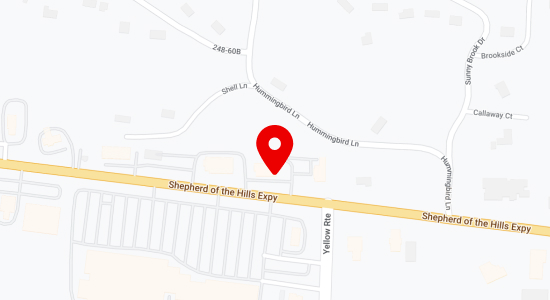
Please note that our law firm's address is for mail correspondence only. We do not accept in-office visits to this location. To schedule an appointment or consult with an attorney, please contact us via phone or email. Our contact information is readily available on our website. We look forward to hearing from you and strive to supply efficient and accessible legal services to our clients.
Branson, MO 65616