
Former Prosecutor
of 20 Years on
Your Side
of 20 Years on
Your Side







A Missouri drunk driving arrest becomes more serious when the State alleges not only intoxication, but also that your blood alcohol concentration met or exceeded the statutory threshold for driving with excessive blood alcohol content. In Missouri, that charge is separate from standard driving while intoxicated. Under section 577.012, the prosecution focuses on whether the chemical evidence supports a prohibited BAC at or above the legal limit. Under section 577.010, the State may also pursue a DWI count based on alleged intoxication. That means one stop, one arrest, and one testing event can create overlapping criminal and license consequences that move quickly and hit hard.
For many people, the words “excessive BAC” sound like the case is already over. It is not. A number on a ticket, a breath printout, or a police report is not the same thing as a proven case in court. Chemical testing cases often turn on timing, observation issues, calibration records, collection procedures, the legal basis for the stop, and whether the State can actually connect the reported result to the moment of driving. That is where defense work matters.
Scrivner Law Firm represents people facing serious Missouri criminal allegations, including alcohol related driving charges. Dayrell Scrivner brings a perspective few defense lawyers can offer. Before opening his private practice, he spent nearly two decades in the Stone County Prosecutor’s Office and served for many years as Chief Assistant Prosecuting Attorney. He handled the kinds of criminal cases he now defends, which gives him a strong working knowledge of how prosecutors build intoxication cases, how officers document roadside investigations, and where weaknesses often appear. The firm serves clients in Taney, Stone, and Christian Counties and brings substantial courtroom experience to contested criminal matters.
Missouri law draws a distinction between driving while intoxicated and driving with excessive blood alcohol content. Section 577.012 addresses the BAC based offense. In practical terms, the prosecutor will usually try to prove operation of a vehicle plus a chemical test result at or above the prohibited alcohol concentration. For most adult noncommercial drivers, the legal threshold is 0.08 percent. For commercial drivers operating a commercial motor vehicle, the threshold is lower, and those cases raise additional licensing concerns beyond the criminal charge itself.
That sounds straightforward, but the proof is often less clean than the charging language suggests. The government does not get to skip foundational issues simply because a machine generated a number. The defense may challenge whether the stop was lawful, whether the arrest was supported by probable cause, whether the officer observed the driver long enough to form reliable conclusions, whether the testing procedure complied with law and protocol, and whether the reported alcohol level can be tied to the time of operation rather than some later point.
Breath and blood evidence does not exist in a vacuum. A breath result can be challenged when the observation period was not properly handled, when mouth alcohol contamination is an issue, when maintenance or calibration records are questionable, or when the officer failed to follow required procedure. A blood case can raise issues involving collection, storage, preservatives, chain of custody, and laboratory reliability.
In some cases, the most important question is not whether alcohol was present, but whether the State can prove the number was over the line when the person was actually driving. Alcohol absorption does not happen instantly. Depending on when the person drank, when the stop occurred, and when the test was administered, the reported BAC may reflect a later point in time rather than the level at the wheel. That kind of timing issue can be central in an excessive BAC defense.
An excessive BAC allegation can affect both sentencing posture and how the court treats the case. Missouri’s DWI sentencing statute provides additional restrictions in certain circumstances when the offense was committed with fifteen-hundredths of one percent or more by weight of alcohol in the person’s blood. Section 577.010 also addresses minimum jail exposure for certain first offenders if the BAC is alleged at 0.15 or above, with more serious minimum confinement exposure for even higher reported levels. Those details can influence negotiations, probation conditions, and how aggressively the prosecution approaches the case.
That is one reason these cases should never be treated like routine traffic tickets. Even when a person has no prior record, the allegation itself can push the case into a more demanding posture than a driver expected.
Police narratives in alcohol cases often sound confident. The report may mention odor of alcohol, bloodshot eyes, balance issues, admissions about drinking, and field sobriety tests. Yet many of those observations are open to interpretation. Fatigue, anxiety, allergies, physical conditions, footwear, weather, road surface, nervousness, and officer instructions can all affect how roadside observations appear in the report.
A defense lawyer looks at what is missing as carefully as what is included. Was the driving actually bad, or was it minor and ordinary? Did the officer describe clear signs of impairment, or use boilerplate language? Was there video? Does the body camera match the written report? Did the officer ask about medical conditions? Were field tests administered in a reliable way? If the case leans heavily on a chemical test, are there records to support the device and the result?
Dayrell Scrivner’s prior prosecutorial experience helps frame those questions in a strategic way. He knows the evidence prosecutors expect to rely on, and he knows the difference between a case that looks strong on paper and one that will truly hold up under close scrutiny. That experience can matter when motions are filed, when cross examination is prepared, and when the prosecution is pressed to prove every step rather than lean on assumptions.
Every case is fact specific, but a strong defense often grows from several different angles rather than a single argument.
The case begins with the traffic stop. If the officer lacked reasonable suspicion or another valid legal basis to stop the vehicle, the defense may challenge the admissibility of evidence gathered afterward. An unlawful stop can affect statements, observations, field testing, and chemical evidence.
Even if the initial stop was lawful, the arrest itself still has to be justified. Officers do not get automatic authority to arrest simply because a driver admitted to having a drink. The totality of the circumstances matters. If the claimed signs of intoxication are thin, contradictory, or unsupported by video, probable cause may be vulnerable.
Chemical testing cases rise or fall on detail. A breath machine reading can appear scientific and decisive to a jury, but only if the State can show that the test was administered correctly and the device was functioning as required. If the process was compromised, the result may be less persuasive or even subject to exclusion depending on the circumstances.
In some cases, the driver consumed alcohol shortly before driving. That can create a rising BAC issue in which the person’s concentration was lower while actually operating the vehicle and only later rose above the statutory line by the time the test occurred. While that defense depends on facts and timing, it can be a powerful issue in an excessive BAC prosecution.
Some cases begin with a crash or highly erratic driving. Others do not. If the driving itself was ordinary, safe, or only minimally suspicious, that can help the defense argue that the State’s portrayal is overstated. Jurors often expect truly impaired driving to look obviously dangerous. When the driving evidence does not match the State’s theory, that gap matters.
A criminal case is only part of the problem. Missouri also imposes administrative consequences tied to BAC allegations and refusals. The Department of Revenue can pursue license action based on the reported alcohol level or chemical test refusal, separate from what happens in the criminal case. A person may face suspension, revocation, reinstatement requirements, insurance consequences, and restrictions affecting work and family life.
For many clients, the driver’s license issue is immediate and urgent. The ability to get to work, take children to school, attend treatment, and keep a normal routine can depend on quick and informed action. That is why defense strategy has to account for both the courtroom case and the licensing side of the matter.
Missouri law increases punishment exposure when a person is alleged to be a prior offender, persistent offender, aggravated offender, chronic offender, or habitual offender under the intoxication related statutes. Under sections 577.010 and 577.012, the offense level can climb from misdemeanor territory into felony exposure depending on the person’s history.
That makes early case review especially important. Prior history must be evaluated carefully, and the prosecution’s assumptions about enhancement should not be accepted at face value.
One of the biggest mistakes people make after an arrest for excessive BAC is waiting to see what happens. Delay can make it harder to preserve useful evidence. Surveillance footage can disappear. Witness memories fade. Administrative deadlines can pass. Police video needs to be identified and obtained. Testing records may need to be requested and reviewed promptly.
A careful early defense review can include the stop basis, dispatch information, officer narratives, body camera or dash camera footage, maintenance and certification records, chemical testing details, witness information, and the timeline of driving, drinking, and testing. In the right case, motions challenging the stop, arrest, statements, or chemical evidence may create leverage that changes negotiations or trial posture.
This is where thorough preparation matters. Dayrell Scrivner is not new to criminal litigation, and his years inside the prosecutor’s office inform how he approaches these cases now from the defense side. He knows what facts the State wants to emphasize and where careful legal work can force prosecutors to confront the limits of their evidence.
An excessive BAC case can threaten far more than a fine. It can affect your freedom, your license, your job, your insurance, your professional standing, and your reputation in the community. You need more than reassurance. You need a defense lawyer who knows how Missouri intoxication cases are charged, challenged, negotiated, and tried.
Scrivner Law Firm offers focused criminal defense representation backed by Dayrell Scrivner’s long legal career and his former service as a prosecutor handling serious criminal matters. That background helps the firm assess how the State is likely to approach your case, where pressure points exist, and what defense strategy best fits your facts.
When the State accuses you of driving with excessive BAC, the charge can make it seem like the evidence is automatic and the result is inevitable. It is neither. These cases are built piece by piece, and each piece must withstand legal scrutiny. A flawed stop, a shaky arrest decision, a questionable test process, or a timing problem can all make a real difference.
If you have been arrested for driving with excessive BAC in southwest Missouri, contact Scrivner Law Firm as soon as possible. Dayrell Scrivner and his team know how these prosecutions are put together, and they know how much is at stake when your license, criminal record, and future are on the line. The sooner the defense begins, the sooner your case can be examined for weaknesses, opportunities, and a path forward that protects your rights.
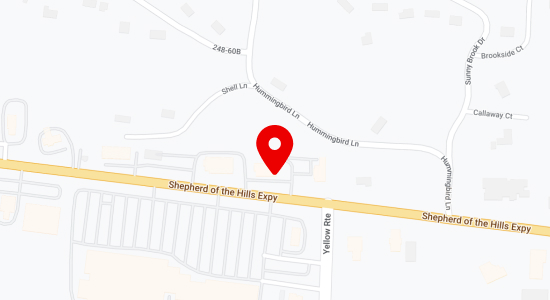
Please note that our law firm's address is for mail correspondence only. We do not accept in-office visits to this location. To schedule an appointment or consult with an attorney, please contact us via phone or email. Our contact information is readily available on our website. We look forward to hearing from you and strive to supply efficient and accessible legal services to our clients.
Branson, MO 65616