
Former Prosecutor
of 20 Years on
Your Side
of 20 Years on
Your Side







A DUI or DWI allegation hits commercial drivers differently than almost anyone else. For a CDL holder, the case is not only about a misdemeanor or felony charge in criminal court. It is also about the ability to keep working. A single alcohol related arrest can threaten a commercial driving career, affect ordinary driving privileges, put insurance coverage in jeopardy, and create a chain reaction that reaches far beyond the courtroom.
Missouri law and Missouri licensing rules are especially tough on CDL holders. The legal alcohol threshold for operating a commercial motor vehicle is lower than it is for a noncommercial driver. Missouri also imposes serious disqualification consequences for CDL holders and for people operating a commercial motor vehicle when alcohol, drugs, or test refusals are involved. A case that might look manageable to someone with an ordinary license can become a professional crisis for a truck driver, bus driver, delivery driver, or anyone whose livelihood depends on commercial driving.
Scrivner Law Firm represents people facing serious Missouri criminal charges, including alcohol related driving cases. Attorney Dayrell Scrivner spent many years as a prosecutor before entering private practice, including long service in the Stone County Prosecutor’s Office and years as Chief Assistant Prosecuting Attorney. That background matters in CDL cases because these prosecutions often move on parallel tracks: the criminal case, the administrative license consequences, and the employment fallout. Knowing how the State develops and presents its case can be critical when your income and commercial status are on the line.
CDL Cases Are Different From Ordinary DWI Cases
Commercial drivers live under stricter rules. Missouri Department of Revenue materials state that operating a commercial motor vehicle with a BAC of 0.04 percent or higher can trigger a one year CDL disqualification. The Department also states that driving while under the influence of alcohol or drugs, or refusing a breath or blood test, can trigger the same kind of one year disqualification when the person is a CDL holder or is operating a commercial motor vehicle. A second qualifying conviction can lead to lifetime disqualification.
That means the issue is not only whether you were at 0.08 percent. In the CDL context, the legal and professional danger can begin much earlier. Even worse, CDL consequences are not limited to arrests in a commercial vehicle. Certain alcohol related offenses in any vehicle can affect commercial driving status. That is why these cases need to be evaluated by a lawyer who understands both the criminal side and the licensing side.
A CDL case often confuses people because the criminal charge may be called DWI, BAC, or something similar, while the licensing and disqualification consequences are handled through a different process. You might have a pending court date in one place and separate notices or consequences affecting your driving privilege somewhere else. It is possible to focus too heavily on the criminal docket and miss the larger professional impact.
That is a mistake. A defense strategy must address the entire problem. Preserving the best possible outcome may require a coordinated approach to the facts, the chemical evidence, the driver history, and the administrative consequences.
The State will usually try to prove the case through a combination of officer observations, field sobriety testing, admissions, driving conduct, and chemical evidence. If you were operating a commercial motor vehicle, the State may also emphasize the heightened responsibility that comes with a CDL. Prosecutors often frame these cases as public safety cases with elevated risk because of the size, weight, or passenger capacity of the vehicle involved.
That does not relieve the State of its burden. A commercial driver does not lose constitutional protections because of a CDL. The officer still needs a lawful basis for the stop. The arrest still must be supported by probable cause. The testing process still must withstand scrutiny. And the government still has to prove the case with admissible, reliable evidence.
Because the BAC threshold is lower in a commercial motor vehicle, timing and accuracy issues can become even more important. A narrow difference in the reported alcohol concentration may determine whether the case fits a CDL disqualification framework. Breath testing margin issues, procedural defects, and the interval between driving and testing can therefore matter even more than they do in an ordinary noncommercial case.
A driver may feel physically normal and still face a career threatening allegation because the commercial standard is much lower. That is exactly why the defense cannot assume that a reported number settles the matter.
A strong commercial driver defense starts with a disciplined review of the evidence.
Commercial vehicles attract attention. Officers may stop a truck or bus based on driving behavior, equipment issues, inspection related concerns, or traffic allegations. The first question is whether the stop itself was lawful. If not, the resulting evidence may be subject to challenge.
Not every stop justifies an arrest. Fatigue, long hours, stress, allergies, poor road conditions, and physical strain can all affect appearance and performance. Commercial drivers often work under demanding conditions that can be mistaken for impairment. A defense lawyer must compare the officer’s report to the objective evidence, especially video.
Breath and blood testing are not immune from error. Commercial cases may turn on a narrow numerical threshold, so reliability becomes critical. The defense may need to examine the testing timeline, calibration issues, observation requirements, sample integrity, and whether the government can reliably link the result to the time of operation.
This question sounds obvious, but facts matter. Sometimes employment status, vehicle classification, or the circumstances of operation become important to how the case is analyzed. A detailed factual review can uncover issues the initial paperwork glosses over.
Commercial driving is often the backbone of a family’s financial stability. A CDL disqualification may mean missed work, job loss, broken routes, trouble finding future employment, and increased financial pressure at home. Even a short period of disqualification can disrupt a driver’s relationships with employers, customers, and carriers.
That is why these cases should be treated with urgency from the beginning. The consequences are practical, not abstract. A driver who waits too long to seek counsel may lose valuable time to investigate the stop, preserve evidence, and respond appropriately to the various proceedings that follow.
Many drivers think refusing a breath or blood test automatically helps the defense because it keeps a number out of the case. For CDL holders, that assumption can be dangerous. Missouri Department of Revenue materials specifically identify refusal of a breath or blood test as a basis for a one year disqualification if the person is a CDL holder or is operating a commercial motor vehicle. Missouri’s implied consent framework also creates a separate revocation problem for ordinary driving privileges.
So even where refusal may limit one kind of evidence, it can create major additional consequences. The right defense requires looking at the full picture, not just one piece of it.
A commercial driver DUI case is often won or improved through detailed work rather than dramatic courtroom moments. It may involve identifying inconsistencies in the stop narrative, highlighting missing facts, challenging assumptions about impairment, testing the reliability of the chemical evidence, and showing why the case is weaker than the charging document suggests.
Dayrell Scrivner’s years as a prosecutor give him valuable insight into how the State evaluates these files. He knows what prosecutors look for when deciding whether to negotiate, which weaknesses can undermine confidence in a case, and where the evidence may fail to support the claims made at arrest. That perspective can be especially important in commercial driver cases, where the prosecution may assume the driver will plead quickly because the pressure to save employment is intense.
Early defense work can make a meaningful difference. A lawyer may need to obtain videos, identify witnesses, review the dispatch basis for the stop, inspect the charging paperwork, analyze the testing method, and evaluate the interaction between the criminal case and the Department of Revenue consequences. Employers and licensing concerns can also create time pressure.
The earlier counsel gets involved, the sooner the defense can move from fear to strategy. That does not mean every case goes to trial. Sometimes the best outcome comes from targeted legal challenges, careful negotiations, or a well developed record that puts the prosecution in a weaker position. But none of that happens by accident.
Missouri intoxication statutes increase offense severity for prior, persistent, aggravated, chronic, and habitual offenders. Those enhancement issues can dramatically alter exposure. The State’s view of a person’s prior record should be checked carefully rather than assumed to be correct. In the right case, proper review of prior history can affect charging level, sentencing risk, and negotiating leverage.
When a commercial driver is arrested, the problem is never just the citation. It is the paycheck. It is the commercial status. It is the ability to support a family and keep a future in the industry. A meaningful defense must account for all of that.
Scrivner Law Firm brings substantial Missouri criminal defense experience to serious traffic and alcohol related cases. Dayrell Scrivner’s long legal career and prior prosecutorial service help the firm evaluate how the State built the case and how to challenge it effectively. Clients benefit from a lawyer who understands both the pressure prosecutors use and the consequences drivers face when their commercial livelihood is threatened.
A CDL DUI allegation can put years of hard work at risk in a matter of days. You may be facing a lower BAC threshold, administrative disqualification, ordinary license consequences, criminal penalties, and job related fallout all at once. That is too much to leave to chance.
If you are a commercial driver or CDL holder accused of DWI, BAC, or refusing a chemical test in Missouri, contact Scrivner Law Firm promptly. Dayrell Scrivner and his team can review the stop, the arrest, the testing, the record, and the licensing consequences with the seriousness your case deserves. When your livelihood rides on the result, you need a defense that is built for more than just the courtroom.
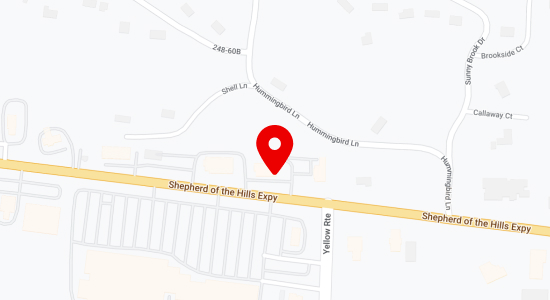
Please note that our law firm's address is for mail correspondence only. We do not accept in-office visits to this location. To schedule an appointment or consult with an attorney, please contact us via phone or email. Our contact information is readily available on our website. We look forward to hearing from you and strive to supply efficient and accessible legal services to our clients.
Branson, MO 65616