- Contact Us Now: (417) 699-0074 Tap Here to Call Us


What Is the Difference Between a Felony and a Misdemeanor in Missouri?


Missouri divides criminal offenses into categories that include felonies and misdemeanors, but the label alone does not tell the whole story. Felonies generally carry greater potential imprisonment and broader long-term consequences, while misdemeanors usually have lower maximum custody exposure. Within each category, Missouri uses classes that determine the ordinary sentencing range unless a different statute, enhancement, or special sentencing rule applies to the offense.
The classification matters at nearly every stage of a criminal case. It can affect where the case is prosecuted, the maximum sentence, eligibility for certain dispositions, the importance of prior convictions, and collateral effects involving employment, housing, firearms, licensing, or other areas of life. A municipal ordinance violation in Branson also should not automatically be treated as the same thing as a state misdemeanor, even when the underlying conduct sounds similar.
Scrivner Law Firm represents people accused of felonies, misdemeanors, and other criminal offenses in Taney, Christian and Stone counties. Attorney Dayrell Scrivner has more than three decades of legal experience, including extensive service as a prosecutor and chief assistant prosecutor. He has also taught criminal law and criminal procedure in Missouri, giving him experience with how offense classifications affect charging, negotiation, sentencing, and trial strategy.
Missouri Uses Classes Within Both Categories
Missouri felonies are classified from Class A through Class E. The classes are not merely descriptive. They correspond to different authorized sentencing ranges. A Class A felony carries the greatest ordinary imprisonment exposure, while Class E is the lowest felony class. Some statutes also create unclassified felonies or impose special sentencing rules that must be read with the specific offense.
Missouri misdemeanors are classified from Class A through Class D. Class A misdemeanors carry the greatest ordinary misdemeanor custody exposure. Class D misdemeanors are at the lower end and generally do not carry an authorized jail term under the general imprisonment statute, although fines and other consequences may still apply.
The charge must therefore be analyzed at two levels: what offense is alleged and what classification applies to the facts and criminal history. Two people accused under the same general chapter of Missouri law may face different classifications if the statute includes enhancements based on injury, age, prior offenses, protected victims, weapon use, or other circumstances.
Potential Imprisonment Is a Major Difference
Missouri’s general sentencing statute authorizes substantial prison exposure for felonies. A Class A felony may carry a term ranging from ten to thirty years or life imprisonment. A Class B felony generally carries five to fifteen years. A Class C felony generally carries three to ten years. A Class D felony can carry up to seven years, and a Class E felony can carry up to four years.
Misdemeanor maximums are lower. A Class A misdemeanor can carry up to one year of imprisonment, a Class B misdemeanor up to six months, and a Class C misdemeanor up to fifteen days. The specific offense, sentencing statute, and any applicable enhancement still need to be checked because not every case follows the general rule without qualification.
These ranges describe legal exposure, not a prediction of what sentence a particular defendant will receive. The court may have options involving probation, suspended sentences, treatment, or other dispositions when authorized. The result depends on the offense, the defendant’s record, the facts, negotiations, and the sentencing authority available to the court.
Fines and Other Sentencing Components
Missouri law also authorizes fines for many offense classes. The general fine statute sets maximum amounts for specified felony and misdemeanor classes and allows some fines to be tied to financial gain from the offense. Individual criminal statutes can also contain special provisions, restitution requirements, or other financial consequences.
A sentence may therefore involve more than jail or prison. Courts may impose probation conditions, restitution, treatment, monitoring, community service, restrictions on contact, or other lawful requirements. Court costs and administrative consequences may also matter.
For that reason, a defendant comparing a felony and misdemeanor should not focus exclusively on the maximum incarceration number. A lower-level offense can still create burdens that affect work, family responsibilities, transportation, finances, or professional obligations.
Felony and Misdemeanor Procedure Can Differ
Missouri criminal procedure has separate rules governing important parts of felony and misdemeanor cases. Felony cases can begin through a complaint or indictment and may involve procedures such as a preliminary hearing when applicable. Formal felony prosecution proceeds through an information or indictment. Misdemeanor cases follow their own procedural rules and may begin through formal charging documents without the same path.
The distinction affects how a case moves from accusation to arraignment, pretrial litigation, and trial. Felony proceedings may involve more extensive charging review because the potential penalties are greater. That does not mean a misdemeanor should be handled casually. A misdemeanor can still involve constitutional motions, contested evidence, witness disputes, and significant collateral consequences.
In Taney County, state felony and misdemeanor cases proceed within the Forty-Sixth Judicial Circuit. The exact division and schedule depend on the case. A defendant should confirm the filed charge and court rather than relying on the label used by the arresting officer.
Municipal Ordinance Violations Are a Separate Category
Branson’s Municipal Division handles alleged city traffic, ordinance, and parking violations. The City identifies the Municipal Division as part of the Circuit Court of Taney County, but a municipal ordinance case is not automatically the same thing as a Missouri state misdemeanor.
Municipal charges arise under city ordinances, while state misdemeanors arise under Missouri statutes. Similar conduct can sometimes be addressed under different legal authority depending on the circumstances and charging decision. The available penalties, prosecutor, docket, and collateral effects may differ.
This distinction becomes particularly important when someone says that a matter is “just a ticket” or “only municipal.” The actual ordinance, the maximum penalty, the defendant’s record, license consequences, and any relationship to a state investigation should be reviewed before deciding how serious the matter is.
Probation and Suspended Sentences
Probation is not a separate offense classification. It is a sentencing disposition that may be available in eligible cases. Missouri courts can impose probation under statutory authority and attach conditions designed to supervise the defendant and address the circumstances of the case.
Missouri also recognizes suspended sentences in appropriate cases. A suspended imposition of sentence and a suspended execution of sentence have different legal effects. The terminology matters because the conviction status, sentence, and consequences can differ depending on what the court actually orders.
A plea that appears attractive because it avoids immediate incarceration should therefore be evaluated in full. The defendant needs to know the length and conditions of probation, what happens if a violation is alleged, whether a conviction is entered, and what sentence may be available if probation later fails.
Prior Convictions Can Change the Analysis
Criminal history can affect classification, sentencing, and prosecutorial strategy. Some Missouri offenses become more serious when a defendant qualifies as a prior, persistent, aggravated, chronic, or habitual offender under the statute governing that offense. Other laws authorize enhanced sentencing based on prior convictions or specific prior conduct.
The prosecution must establish the facts required for an enhancement. A prior case should not simply be assumed to qualify. Counsel may examine the judgment, offense, jurisdiction, dates relevant to the statute, and whether the prior disposition legally satisfies the enhancement language.
This is another reason the felony-versus-misdemeanor label cannot be analyzed in isolation. The same underlying conduct may create different exposure for defendants with different criminal histories.
Collateral Consequences Can Outlast the Sentence
A felony conviction can affect areas that extend well beyond the courtroom. Depending on the offense and the person’s circumstances, issues can arise involving firearm possession, professional licensing, employment applications, housing, immigration status, educational opportunities, or eligibility for particular programs. Some misdemeanors can also create serious collateral effects, especially when the offense involves violence, domestic relationships, dishonesty, driving, drugs, or other regulated conduct.
Not every collateral consequence applies to every conviction. Federal law, state law, licensing rules, employer policies, and the specific judgment can all matter. General statements such as “a misdemeanor never affects your job” or “every felony permanently removes the same rights” are unreliable.
The defense should identify the consequences that matter to the individual defendant before resolving the case. A plea that reduces possible jail time may still create a problem in another area if the conviction has a specific legal effect.
Records and Future Background Checks
Both felony and misdemeanor cases can create public court records. Even when charges are later dismissed, the existence of an arrest or filed case may remain relevant until any available sealing or expungement process is completed. Missouri law provides expungement mechanisms for some records, but eligibility depends on the offense, disposition, waiting requirements, and other statutory conditions.
A defendant should not assume that a misdemeanor automatically disappears after probation or that a felony can never be addressed through record-relief procedures. The correct answer depends on the exact charge and final disposition.
Because background checks can be used by employers, landlords, professional boards, and others, the record consequences should be part of the defense discussion rather than an afterthought.
Why the Specific Statute Matters More Than the Label
The most useful way to evaluate a Missouri charge is to start with the exact statutory section and classification alleged, then determine what elements the State must prove and what sentencing provisions apply. The defense can then examine whether the evidence supports each element, whether any enhancement is legally valid, and whether constitutional or evidentiary issues affect the prosecution.
That approach avoids two common mistakes: assuming every felony is equally serious and treating every misdemeanor as minor. The legal classification sets a framework, but the facts, evidence, prior record, and available defenses determine how the case should be handled.
How Classification Influences Defense Decisions
Classification also affects practical defense decisions before any final disposition. A defendant facing substantial felony exposure may need to weigh pretrial release, employment consequences, travel restrictions, expert evidence, forensic testing, and the cost of preparing a contested trial. In a misdemeanor case, the legal stakes can still justify investigation when a conviction could affect a license, a job, immigration status, or a later enhancement.
Negotiations should therefore be evaluated against the actual evidentiary record. A reduction from a felony to a misdemeanor may be important, but the language of the resulting charge and sentence can matter just as much as the label. Counsel may compare the strength of the State’s proof, the admissibility of key evidence, available defenses, likely sentencing arguments, and collateral consequences before advising whether a proposed resolution addresses the client’s priorities.
Speak With Scrivner Law Firm About a Felony or Misdemeanor Charge
A criminal charge can become complicated quickly when classification, prior convictions, sentencing rules, municipal authority, and collateral consequences overlap. Prosecutors may be evaluating enhancements, law enforcement may still be gathering evidence, and the court may impose obligations long before the defendant has assessed the full effect of a possible conviction. Early defense involvement can help define the real exposure and identify issues that may change the course of the case.
Attorney Dayrell Scrivner brings decades of legal experience, including extensive work as a prosecutor, to criminal defense in Southwest Missouri. If you are facing a felony, misdemeanor, or related municipal allegation in Taney, Christian or Stone counties, contact Scrivner Law Firm to discuss the charge, the evidence, and the consequences that may apply. Call the firm or submit the online contact form to schedule a consultation.
OUR ADDRESS
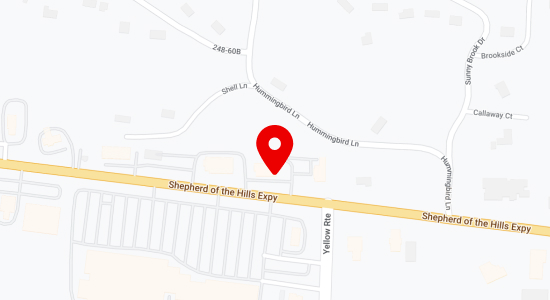
Please note that our law firm's address is for mail correspondence only. We do not accept in-office visits to this location. To schedule an appointment or consult with an attorney, please contact us via phone or email. Our contact information is readily available on our website. We look forward to hearing from you and strive to supply efficient and accessible legal services to our clients.
Ste Q, #451
Branson, MO 65616