- Contact Us Now: (417) 699-0074 Tap Here to Call Us


What Happens If You Miss a Court Date in Missouri?


Missing a court date in Missouri can create consequences beyond the original criminal or traffic matter. Depending on the type of case and the circumstances, the court may issue a warrant, change release conditions, forfeit bond-related security, or take other action. Missouri law also recognizes a separate failure-to-appear offense in specified criminal matters when a person who has been released pending a stage of the case knowingly fails to appear as required.
The details matter because not every missed appearance has the same legal effect. A missed Branson Municipal Division date is procedurally different from a missed appearance in a state felony or misdemeanor case in Taney, Christian or Stone counties. The reason for the absence, the notice provided, the type of underlying charge, the defendant’s release status, and what the court did afterward can all affect the next step.
Scrivner Law Firm represents people facing criminal charges, warrants, and failure-to-appear issues in Branson and throughout Taney, Christian and Stone counties. Attorney Dayrell Scrivner has more than three decades of legal experience, including extensive service as a prosecutor and chief assistant prosecutor. His experience with Missouri criminal procedure can help when a missed appearance must be addressed without losing sight of the original case.
A Missed Date Can Lead to a Warrant
Courts depend on defendants appearing when ordered. If a person misses a required criminal appearance, the judge may issue a warrant directing law enforcement to arrest the defendant and return the person to court. The warrant may remain active until it is recalled, quashed, served, or otherwise resolved through lawful court procedure.
A warrant can create practical problems even when the underlying charge is relatively minor. The defendant may be arrested during a traffic stop, at home, at work, or during another encounter with law enforcement. A person who was previously released may also face stricter conditions after being brought back before the court.
The docket should be checked promptly. A defendant should not assume that the absence automatically produced a warrant, but should not assume the opposite either. The court record can show whether a warrant was issued, whether a new date was set, and whether additional action is required.
Missouri Has a Separate Failure-to-Appear Statute
Section 544.665 of the Revised Statutes of Missouri makes failure to appear a separate offense in certain circumstances. It applies when a person who has been released on recognizance or bond while a criminal matter is pending knowingly fails to appear before a court or judicial officer as required.
The classification depends on the underlying criminal matter. A failure to appear connected to a matter that includes a felony is classified as a Class E felony. When the underlying matter includes misdemeanors but no felony, the failure to appear is a Class A misdemeanor. When the underlying matter involves only infractions, the failure to appear is an infraction. The statute also addresses municipal ordinance matters separately.
The word “knowingly” is important. The State’s ability to prove that element may depend on notice, court records, communications, and the surrounding circumstances. A missed date caused by confusion or lack of notice is not analyzed in exactly the same way as a deliberate decision to disregard a known order.
Branson Municipal Court and Taney County State Cases Are Different
Branson’s Municipal Division is part of the Circuit Court of Taney County and handles alleged city traffic, ordinance, and parking violations. State felony and misdemeanor prosecutions proceed through the Taney County circuit court system within Missouri’s Forty-Sixth Judicial Circuit.
A person who says, “I missed court in Branson,” may therefore be referring to different legal processes. The case number, charging authority, and docket identify whether the matter is municipal or state. That distinction can affect the warrant, prosecutor, potential failure-to-appear classification, and procedure for seeking a new appearance.
The first step should be identifying the exact court. Relying on the location of the original police contact or the wording on a ticket can lead to contacting the wrong office and delaying resolution.
Accidental or Emergency-Related Absences
People miss court for many reasons. A medical emergency, hospitalization, vehicle breakdown, severe weather, family emergency, incorrect calendar entry, lack of transportation, or genuine misunderstanding may explain an absence. Whether that explanation legally excuses the failure depends on the facts and the governing law.
Documentation can make a significant difference. Medical records, discharge papers, tow receipts, travel records, employer documentation, messages with counsel, or other records can help establish what happened and when. A vague explanation offered weeks later may be less persuasive than contemporaneous proof.
A defendant should also distinguish between a reason for missing court and the obligation to address the absence afterward. Even a legitimate emergency does not necessarily cause a warrant or missed setting to disappear automatically. Prompt communication with counsel and the court process remains important.
Notice Can Become a Disputed Issue
A knowing failure to appear generally requires that the defendant was required to appear and had the necessary awareness of that obligation. Court notices, bond paperwork, release documents, prior hearing statements, mailed notices, electronic notifications, and attorney communications can all become relevant.
Addresses and contact information matter. If a defendant moves and fails to update information as required, the court may continue using the address on file. On the other hand, a record may reveal that notice was sent incorrectly or that the defendant was never told of a changed date.
The defense can review the docket and file to determine how the setting was created and what proof exists that the defendant knew about it. This is more reliable than assuming either that notice was perfect or that no notice existed.
Bond and Release Conditions May Be Affected
A defendant released before trial has an ongoing obligation to appear as ordered. Missouri Rule 33 makes appearance a fundamental condition of pretrial release. Missing court can therefore affect more than scheduling.
The judge may reconsider whether existing conditions are sufficient to secure future appearances. Depending on the circumstances, the court may impose additional conditions, alter monetary or nonmonetary terms, or order detention when the governing standard is satisfied.
Security posted for release may also be subject to forfeiture procedures. The rules surrounding bond and security can be technical, so a defendant should not assume that resolving the warrant automatically resolves every financial issue connected to the missed date.
How Counsel May Ask the Court to Address a Warrant
When a warrant has been issued for a missed appearance, counsel can review the case and determine what procedure is available to ask the court to address it. In some situations, counsel may file a motion asking the judge to recall or quash the warrant and reset the matter. In others, the defendant may need to appear personally or surrender under arrangements designed to bring the case back before the court.
No attorney can guarantee that a warrant will be recalled without an arrest. The court retains authority over its warrant and release decisions. The relevant presentation may include the reason for the missed appearance, the defendant’s prior attendance, ties to the community, current contact information, and willingness to comply with a new setting.
Acting before another law-enforcement encounter can give the defense more opportunity to present the circumstances in an orderly way.
Rescheduling Is Not Automatic
Calling the clerk after a missed appearance may provide useful information, but it does not necessarily cancel a warrant or create a new valid setting. Court staff cannot always provide legal advice or alter a judge’s order.
Similarly, appearing on a day that seems convenient does not guarantee that the correct judge, prosecutor, or file will be available. A defendant should obtain reliable instructions from the court record or counsel.
If a new date is granted, the defendant should confirm it in writing or through the official docket when possible and comply with any conditions imposed. Repeated missed appearances can make future requests for leniency more difficult.
The Original Charge Still Needs a Defense
A failure-to-appear problem can distract from the underlying criminal case. The original charge does not disappear merely because the court issued a warrant. Police reports, witnesses, forensic evidence, video, and constitutional issues still need to be evaluated.
In fact, delay can make defense investigation harder. Surveillance video may be overwritten, witnesses may become difficult to locate, and records may be lost. Addressing the missed appearance promptly can help the defense return attention to the merits of the original accusation.
If a separate failure-to-appear charge is filed, counsel may need to defend both matters. The evidence and strategy can overlap, but each offense has distinct elements and consequences.
Addressing the Missed Date Is Not the Same as Admitting the Original Charge
A defendant can take responsibility for correcting a missed appearance without conceding guilt on the underlying criminal allegation. These are separate issues. The court may need an explanation for why the defendant failed to appear, while the prosecution still bears the burden applicable to the original offense.
That distinction can guide what is said in court. An explanation should be accurate and focused on the absence rather than volunteering unnecessary statements about the alleged crime. Counsel can help separate information relevant to the warrant or scheduling issue from statements that could later be offered as evidence in the criminal case.
What Not to Do After Missing Court
Ignoring the problem is risky. An outstanding warrant can remain active and may lead to an unexpected arrest. Giving false information to police or trying to evade lawful process can create additional complications.
A defendant should also avoid contacting an alleged victim or witness to ask for help “fixing” the case. Contact restrictions may apply, and the communication could be interpreted as pressure or interference. The safer approach is to address the court issue through lawful channels.
Deleting messages or documents related to notice is also unwise. Those records may help establish what the defendant knew and why the appearance was missed.
Preparing to Explain the Absence
A useful defense presentation begins with a timeline. When was the hearing scheduled? How was the defendant notified? When did the defendant realize the date had been missed? What prevented attendance? What steps were taken afterward?
Supporting records can then be organized around that timeline. If the problem resulted from a medical event, travel disruption, attorney communication, or other verifiable circumstance, preserving proof helps the court evaluate the explanation.
The defendant’s broader history of appearing as required may also matter. A single documented mistake can be viewed differently from repeated nonappearances. The court will make its own decision, but reliable facts give the judge more information than a bare apology.
Speak With Scrivner Law Firm About a Missed Missouri Court Date
A missed court date can become complicated quickly. The judge may issue a warrant, release conditions may be reconsidered, a separate failure-to-appear allegation may arise, and the original criminal case continues at the same time. Early defense involvement can help identify the exact court action, document the reason for the absence, and seek an orderly way to return the case to the docket.
Attorney Dayrell Scrivner brings decades of legal experience, including extensive prosecutorial and criminal-law experience, to defending people in Southwest Missouri. If you missed a required appearance in Taney, Christian and Stone counties, contact Scrivner Law Firm to discuss the warrant status, the missed setting, and the underlying charge. Call the firm or submit the online contact form to schedule a consultation.
OUR ADDRESS
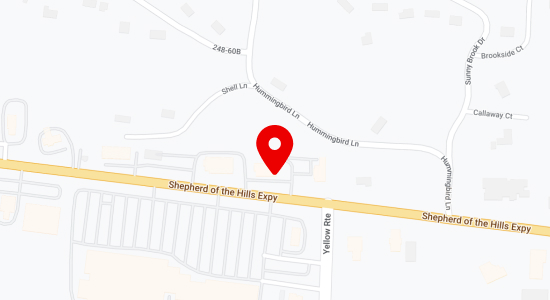
Please note that our law firm's address is for mail correspondence only. We do not accept in-office visits to this location. To schedule an appointment or consult with an attorney, please contact us via phone or email. Our contact information is readily available on our website. We look forward to hearing from you and strive to supply efficient and accessible legal services to our clients.
Ste Q, #451
Branson, MO 65616