- Contact Us Now: (417) 699-0074 Tap Here to Call Us


Can You Lose Your Driver’s License After a DWI Arrest in Missouri


A DWI arrest in Missouri can put a person’s driver’s license at risk even before a criminal court decides whether a driving-while-intoxicated charge is proven. The criminal case and an administrative action through the Missouri Department of Revenue are different proceedings. A qualifying alcohol test may trigger suspension or revocation, while a refusal to submit to a chemical test follows a separate statutory route.
Those distinctions matter because each process has its own evidence, deadlines, and possible consequences. A driver may receive a notice and temporary permit at the time of arrest while prosecutors separately evaluate allegations of intoxicated driving. Missing an administrative deadline can affect driving privileges regardless of the later criminal outcome. A careful review should begin with the actual notice and available test records.
Scrivner Law Firm defends people accused of DWI and other offenses in Taney, Stone and Christian counties and throughout Southwest Missouri. Attorney Dayrell Scrivner’s decades of legal experience, including approximately two decades as a prosecutor, inform his analysis of the arrest, chemical-testing procedures, criminal evidence, and separate licensing issues that can arise after a Missouri traffic stop.
Two Proceedings Can Arise From a Single Traffic Stop
The criminal allegation is generally evaluated under Missouri Revised Statutes section 577.010, which addresses operating a vehicle while in an intoxicated condition. Prosecutors must establish the elements of that offense in court. The investigation can involve driving observations, field testing, witness accounts, recorded statements, and chemical evidence. Criminal charges may affect a person’s record, liberty, and future opportunities depending on the disposition.
The administrative licensing process focuses on the circumstances specified in Missouri’s driver-license statutes, including sections 302.505 and 302.525. A qualifying alcohol concentration and the officer’s report can start a suspension or revocation process even while the criminal case remains unresolved. An administrative hearing does not decide every issue in the criminal prosecution, and an acquittal does not automatically reverse a licensing action that rests on a separate legal basis.
For many drivers age twenty-one or older, the alcohol threshold relevant to administrative action is a blood-alcohol concentration of at least 0.08 percent. Different rules apply to younger drivers and certain commercial circumstances. The number should not be confused with a rule that every driver below it is necessarily incapable of being charged criminally. Intoxication can be alleged based on admissible evidence under the criminal statute even without a qualifying measured result.
A driver arrested near Branson may appear in a Taney County state criminal proceeding within Missouri’s Forty-Sixth Judicial Circuit while the Department of Revenue manages license status. Communications may arrive from both systems. It is useful to separate criminal case documents from licensing notices and to identify who issued each item. A court date does not automatically satisfy a Department of Revenue response deadline.
The Administrative Notice Starts an Urgent Timeline
When an officer processes a qualifying alcohol-related administrative action, the driver may receive a Notice of Suspension/Revocation and a temporary driving permit if applicable. Missouri’s Department of Revenue explains that the notice ordinarily provides a fifteen-day period before the action takes effect, subject to a timely request for an administrative hearing and other statutory provisions. The actual date and terms of the notice should be read carefully.
A request for an administrative alcohol hearing must generally be received by or postmarked to the Department of Revenue within fifteen days of issuance of the notice, using the applicable procedure. Missing that period can eliminate the ordinary hearing opportunity. A defendant should not confuse the date of a criminal arraignment with the date printed on the driver’s licensing form.
A timely hearing request can affect the effective date of an administrative suspension or revocation under the applicable statute. The Department of Revenue describes a continued driving permit for eligible drivers while a properly requested hearing proceeds, subject to stated conditions. This is not a universal license to drive without restrictions. Other sanctions, suspensions, or the specific notice may limit the privilege.
An administrative hearing usually addresses whether the officer had reasonable grounds to believe the person was driving while intoxicated and whether a qualifying blood-alcohol result was obtained. The agency may rely on the arrest report and supporting records. The driver and counsel can examine the evidence and pursue permissible challenges. The hearing is not a full criminal trial, and its procedural features should not be assumed to be identical.
An unfavorable administrative hearing decision may be subject to judicial review through the appropriate Missouri circuit court. Review has deadlines and does not necessarily suspend the licensing sanction while a judicial challenge is pending. Counsel should confirm the route available for the precise action instead of assuming that every appeal automatically extends a temporary permit.
How Long Can Driving Privileges Be Affected?
The Department of Revenue generally describes an initial administrative alcohol suspension as ninety days where the relevant prior record does not require a longer revocation. It describes a one-year revocation in qualifying situations involving an alcohol- or drug-related driving event within the specified previous period. The person’s actual driving record can change the outcome, so an arrest should not be assigned a single sanction without checking that record.
A ninety-day suspension does not necessarily mean no possible restricted driving during the entire period. Certain qualifying drivers may be eligible for restricted driving privileges through Missouri’s requirements. These arrangements can involve ignition interlock and insurance documentation. The conditions vary, and the driver must obtain official authorization rather than assume that an employment need or medical appointment creates an exemption.
A one-year revocation may carry different reinstatement requirements and possible limited driving privileges. Eligibility depends on statutes, the individual’s history, and completion of required steps. A person who has multiple active suspensions cannot assume that resolving the DWI administrative sanction will restore all privileges. Separate actions can overlap, producing additional dates and conditions.
The potential effect of a criminal conviction requires its own analysis. A DWI conviction may produce court-imposed penalties and separate driver-record consequences. Missouri law differentiates offenders according to prior incidents and other aggravating facts. The criminal charge may also be amended or negotiated, but a change to that charge does not necessarily eliminate a previously triggered administrative alcohol action.
When the Test Is Refused Instead of Producing a BAC Result
Refusing a qualifying chemical test is governed by different Missouri statutes, including sections 302.574 and 577.041. The Department of Revenue describes a one-year chemical revocation for refusal in the covered circumstances. This is not simply a failed administrative alcohol test, and the path to review is different from the standard fifteen-day hearing request associated with a qualifying alcohol test result.
For a refusal, Missouri law provides a petition-for-review process in circuit court within the applicable statutory period. The Department of Revenue explains that the driver may seek review in the county of arrest and that a court-issued stay can affect driving privileges while the dispute proceeds. A person should not assume that merely filing a petition allows continued driving. The actual notice, deadline, and any stay order must be verified.
A claimed refusal can itself be disputed. Police may describe a response as a refusal even when the driver alleges confusion, difficulty providing a sample, inconsistent instructions, or another relevant circumstance. The defense may review recordings, the officer’s account, the test request, and the statutory requirements for the warning. That analysis differs from disputing the accuracy of a completed breath test.
A refusal may also become evidence in a criminal DWI case under section 577.041, subject to applicable rules. The state can pursue the underlying DWI accusation using other proof even without a breath result. A driver should not treat refusal as a reliable strategy to avoid charges. The legal task after the fact is to identify which licensing route applies and whether the government complied with its obligations.
Testing Evidence Can Affect Both Files
The quality of the officer’s evidence can matter in the criminal case and the administrative proceeding, although the legal questions are distinct. Counsel may examine the original reason for the stop, the officer’s observations, the timing of the arrest, the identity of the person administering a test, and whether required procedures were followed. Mistakes in a report can be significant if they concern a statutory element rather than a harmless detail.
Breath-test cases may involve questions about instrument maintenance, observation periods, operator qualifications, and the reliability of a reported result under applicable procedures. Blood-testing cases introduce issues concerning collection, storage, analytical methods, and the meaning of the measured result. The mere existence of a numerical reading does not excuse prosecutors from establishing admissibility and connecting the result to the charged conduct.
Video recordings can support or undermine statements made in paperwork. A camera may show speech and movement differently from a report’s description, but it can also miss important events outside the frame. Witness observations of driving may provide additional context. A careful defense examines the whole sequence and avoids substituting a short clip for the complete investigative record.
It is important to preserve notices, license documents, receipts, court papers, and communications with the Department of Revenue. The driver should give counsel a clear record of prior suspensions or alcohol-related incidents when known. A prior event may change the administrative classification even if the current arrest initially appears routine. Accurate background information can prevent incorrect advice about privileges and reinstatement.
Reinstatement Is a Process, Not an Automatic Date
Before resuming driving, a person should verify current license status with the Department of Revenue. Completing a suspension period alone may not satisfy every requirement. Depending on the action, the state can require program completion, insurance filings, fees, and ignition-interlock steps. Some drivers also have unrelated suspensions that remain active. Each condition should be confirmed for the actual record.
The Substance Awareness Traffic Offender Program, commonly called SATOP, may be part of reinstatement following qualifying alcohol-related actions. SR-22 insurance certification and proof of interlock compliance can also matter in some situations. A driver should distinguish requirements associated with a chemical refusal, a BAC-based administrative action, and any conviction-related sanction rather than rely on a single generic checklist.
Restricted and limited privileges carry conditions. Authorized travel, equipment, and validity periods may differ from normal unrestricted licensing. Driving while the privilege is not in effect, or outside its scope, may create further legal problems. A defendant should retain written proof of authorization and confirm how it interacts with current court orders and other Department of Revenue actions.
Longer-term planning can involve employment, commuting, childcare, and treatment arrangements while driving is limited. Those practical needs may support an application for a permitted privilege but do not substitute for approval. Starting the licensing review early allows the driver to understand which steps are realistic and avoid relying on assumptions after the initial permit expires.
A resolution in court and a restored license are two different goals. Even after a criminal case concludes, an administrative record may remain and affect future licensing decisions. Counsel can help clarify which obligations stem from each process so the defendant can approach both systematically rather than discover unexpected restrictions during a traffic stop.
Speak With Scrivner Law Firm About a DWI License Suspension
A DWI arrest can generate overlapping deadlines while officers prepare test records, prosecutors review criminal allegations, and the Department of Revenue issues or enforces a licensing notice. The ordinary administrative hearing period can pass before the defendant fully understands the criminal evidence. Early legal assistance can help identify the applicable process, preserve useful material, and evaluate available challenges.
Attorney Dayrell Scrivner brings former-prosecutor experience and criminal defense practice to DWI cases in Taney, Stone and Christian counties. If an arrest has placed your driving privileges at risk, contact Scrivner Law Firm to discuss the charge, the notice, and possible license-related remedies. Arrange a consultation with the firm to review your immediate deadlines and available next steps.
OUR ADDRESS
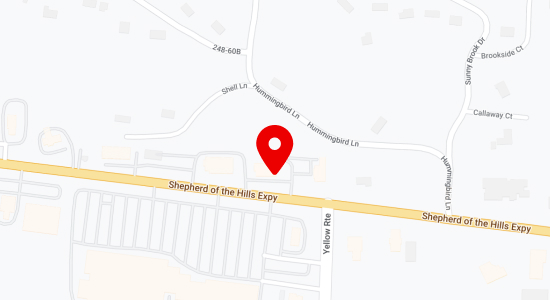
Please note that our law firm's address is for mail correspondence only. We do not accept in-office visits to this location. To schedule an appointment or consult with an attorney, please contact us via phone or email. Our contact information is readily available on our website. We look forward to hearing from you and strive to supply efficient and accessible legal services to our clients.
Ste Q, #451
Branson, MO 65616