- Contact Us Now: (417) 699-0074 Tap Here to Call Us


Can You Get a DWI in Missouri Without Being Over the Legal Limit?


A person in Missouri can be charged with driving while intoxicated even when a chemical test is below eight-hundredths of one percent alcohol concentration. Missouri’s DWI statute does not define the offense solely by a numerical alcohol level. Section 577.010 prohibits operating a vehicle while in an intoxicated condition, and Missouri law defines an intoxicated condition as being under the influence of alcohol, a controlled substance, a drug, or any combination of them. A separate statute addresses driving with excessive blood alcohol content.
That distinction matters because a low or borderline test does not automatically end every DWI investigation. Officers and prosecutors may rely on driving behavior, field-sobriety observations, admissions, physical signs, drug evidence, or concerns about the timing and reliability of testing. At the same time, Missouri law gives special significance to a test below the ordinary alcohol threshold, and Section 577.037 can require dismissal of an intoxication-related driving charge unless specified circumstances make dismissal unwarranted.
Scrivner Law Firm represents people accused of DUI and DWI offenses in Taney, Christian and Stone counties, and surrounding areas. Attorney Dayrell Scrivner has more than three decades of legal experience, including extensive service as a prosecutor and chief assistant prosecutor. His experience with criminal procedure and evidence can be important when the prosecution’s theory depends on more than a single breath or blood result.
DWI and Excessive Blood Alcohol Content Are Separate Missouri Offenses
Section 577.010 provides that a person commits driving while intoxicated by operating a vehicle while in an intoxicated condition. The statute focuses on impairment or influence, not on whether a particular numerical alcohol concentration has been reached.
Section 577.012 separately creates the offense of driving with excessive blood alcohol content. For a noncommercial driver, the statute uses an alcohol concentration of eight-hundredths of one percent or more. Commercial motor vehicles are subject to a lower threshold under the statute.
This means two legal concepts can overlap without being identical. A person with a test at or above the statutory alcohol level may face an excessive-BAC theory and the State may also pursue DWI depending on the case. A person below that level may still be investigated or charged with DWI if the State claims other evidence establishes intoxication. The charging paperwork should also be read carefully because a citation or information may identify DWI, excessive blood alcohol content, or another related offense. The elements and defenses should be matched to the charge actually filed, not merely to the shorthand used by an officer at the roadside.
What “Intoxicated Condition” Means
Missouri’s statutory definition is broader than alcohol alone. An intoxicated condition includes being under the influence of alcohol, a controlled substance, a drug, or a combination of those substances. That allows DWI cases to involve prescription medications, illegal drugs, cannabis-related allegations, or mixed alcohol-and-drug impairment.
Chemical testing can therefore answer only part of the question. A breath test primarily measures alcohol. It does not determine whether another drug affected the driver. A blood or urine test may be used to look for other substances, but detecting a substance and proving impairment are not always the same issue.
The defense may examine dosage, timing, prescription history, toxicology interpretation, metabolism, and whether the substance detected is capable of explaining the observed driving or physical signs. An officer’s assumption that a person “looked impaired” may need to be tested against medical conditions, fatigue, injury, anxiety, or other explanations.
The Alcohol Threshold Creates Prima Facie Evidence, Not the Only Route to a DWI
Section 577.037 states that a chemical analysis showing an alcohol concentration of eight-hundredths of one percent or more is prima facie evidence that the person was intoxicated at the time the specimen was taken. That gives the test result substantial legal significance.
But the statute also addresses results below that level. When the analysis is under the ordinary threshold, an intoxication-related driving charge is subject to dismissal with prejudice unless the court finds dismissal unwarranted because one or more statutory considerations applies.
Those considerations include evidence that the test is unreliable as an indicator of intoxication at the time of the alleged offense because of the time between driving and specimen collection, evidence that the defendant was under the influence of drugs or controlled substances with or without alcohol, or substantial evidence of intoxication from physical observations or admissions.
Why a Below-Threshold Test Still Requires Careful Analysis
A result below the ordinary alcohol threshold can be powerful defense evidence, but it should be evaluated with the rest of the case. The State may argue that the alcohol level was higher while the person was driving and fell before the test, that drug impairment was involved, or that officer observations and admissions independently show intoxication.
The defense can test those claims against objective evidence. Dispatch times, stop video, body-camera footage, the time of the chemical test, drinking history, receipts, witness statements, and scientific evidence may help reconstruct what happened. If the State relies on a timing theory, the actual interval between driving and testing becomes important.
Section 577.037 provides a concrete legal framework rather than leaving a low result to general argument. Counsel can evaluate whether the prosecution has evidence that fits one of the statutory reasons for denying dismissal.
Field-Sobriety Observations Are Evidence, Not Automatic Proof
Officers commonly use standardized field-sobriety tests and other observations during a DWI investigation. They may describe balance problems, difficulty following instructions, eye movements, speech, odor of alcohol, fumbling with documents, or behavior during the stop.
Those observations can be contested. Roadside conditions, footwear, lighting, weather, uneven surfaces, age, injuries, neurological conditions, fatigue, anxiety, language issues, and misunderstanding instructions can affect performance. Video may show whether the officer administered the tests as described and whether the driver’s behavior matches the written report.
A defense review should separate observations made before the officer suspected intoxication from conclusions written after the arrest. The sequence can reveal whether the evidence objectively supports the decision or whether later facts influenced how earlier behavior was characterized.
Timing and Reliability of Breath or Blood Testing
Chemical testing is not self-explanatory. Breath instruments must be maintained and operated under applicable rules, and blood testing requires proper collection, preservation, chain of custody, and laboratory procedures. The timing of the sample also matters because alcohol concentration changes as alcohol is absorbed and eliminated.
A single result does not always establish what the concentration was at the exact time of driving. Prosecutors and experts may attempt to explain the relationship between the test and the earlier driving period, while the defense can examine whether the assumptions used are scientifically and factually supported.
Blood cases may involve additional issues such as the identity and qualifications of the person drawing the sample, storage conditions, laboratory methodology, quality controls, and whether the reported uncertainty is meaningful to the disputed threshold.
Drug-Impaired Driving Cases Can Look Very Different
A driver may have little or no alcohol in the body and still face a DWI allegation based on drugs. These cases can be more complicated because many drugs do not have a simple impairment threshold equivalent to the alcohol concentration used in Section 577.012.
The presence of a drug or metabolite may show prior exposure without conclusively establishing impairment at the time of driving. Prescription medications can also remain detectable after therapeutic use. Toxicology evidence must therefore be read together with driving behavior, timing, dosage, medical information, and officer observations.
Drug-recognition evidence may also be used by the State. The defense can evaluate the officer’s training, the examination performed, the recorded observations, and whether laboratory findings actually support the claimed impairment.
Refusal and Implied-Consent Issues
Missouri law has an implied-consent framework for chemical testing in driving cases. A refusal can create issues that are distinct from the criminal DWI charge, including administrative consequences involving driving privileges. The prosecution may also attempt to use circumstances surrounding a refusal as evidence, subject to the governing law and evidentiary rulings.
A refusal does not eliminate the need for the State to prove the criminal charge. Officers may rely more heavily on driving observations, field tests, statements, video, or a later warrant-based blood draw when one is obtained.
Because administrative and criminal proceedings can follow different procedures, a defendant should not assume that winning or losing one automatically determines the other. Deadlines and available challenges may differ.
Criminal DWI and License Consequences Are Not the Same Case
A DWI arrest can create a criminal prosecution and a separate process affecting driving privileges. The criminal court determines guilt and criminal punishment. Administrative action involving a driver’s license is handled under separate legal authority.
The evidence overlaps, but the issues are not identical. A chemical test, refusal, or arrest record may trigger administrative consequences even while the criminal charge remains contested. A dismissal or reduction in criminal court does not necessarily resolve every license issue unless the governing law provides that effect.
Defense planning should therefore identify both tracks early. Missing an administrative deadline while focusing only on the criminal court can limit available remedies.
Prior Offenses Can Increase DWI Exposure
Section 577.010 classifies DWI differently depending on prior intoxication-related offenses and aggravating facts. Missouri law uses terms such as prior offender, persistent offender, aggravated offender, chronic offender, and habitual offender to describe escalating histories or circumstances. Injury and other aggravating facts can also affect classification.
The State must establish the requirements for the classification it alleges. Prior convictions should be reviewed rather than assumed to qualify, particularly when they arise from another jurisdiction or involve different statutory language.
A first-time DWI analysis therefore differs from a case involving significant prior history. The defense must examine both the current evidence and the legal basis for any enhancement.
Building a Defense When the Test Is Below the Threshold
A below-threshold case should be organized around the State’s alternative theory. If the prosecution claims the test was delayed, the timeline matters. If it claims drug impairment, toxicology and medical evidence matter. If it relies on physical observations, video and witness testimony matter.
Counsel can also examine whether the initial stop was lawful, whether the arrest was supported by probable cause, whether statements were properly obtained, and whether chemical-testing procedures complied with applicable requirements. A strong low test does not make those constitutional and evidentiary issues irrelevant.
The defense may seek dismissal under Section 577.037 when the statutory conditions are satisfied, challenge the admissibility or weight of other evidence, negotiate based on weaknesses in the State’s case, or prepare for trial if the charge remains contested.
Speak With Scrivner Law Firm About a Missouri DWI Below the Alcohol Limit
A DWI case can become complicated quickly when a chemical result is below the ordinary alcohol threshold. Officers may rely on field observations, prosecutors may argue that testing occurred too late or that drugs were involved, and separate license proceedings may move while the criminal case is pending. Early defense involvement can help preserve video and records, evaluate the test, identify the State’s theory, and determine whether Missouri’s below-threshold dismissal provision applies.
Attorney Dayrell Scrivner brings decades of legal experience, including extensive prosecutorial and criminal-law experience, to defending DWI cases in Southwest Missouri. If you were arrested for DWI in Branson or Taney County despite a test below the ordinary alcohol threshold, contact Scrivner Law Firm to discuss the evidence, the testing, and the defenses that may apply. Call the firm or submit the online contact form to schedule a consultation.
OUR ADDRESS
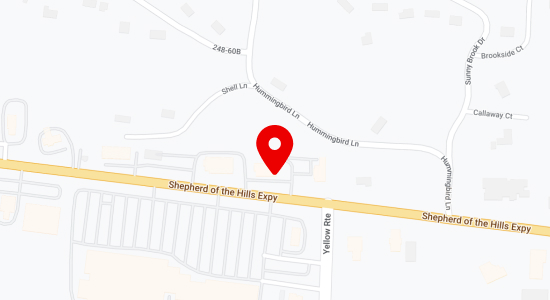
Please note that our law firm's address is for mail correspondence only. We do not accept in-office visits to this location. To schedule an appointment or consult with an attorney, please contact us via phone or email. Our contact information is readily available on our website. We look forward to hearing from you and strive to supply efficient and accessible legal services to our clients.
Ste Q, #451
Branson, MO 65616