- Contact Us Now: (417) 699-0074 Tap Here to Call Us


Can Criminal Charges Be Dropped Before Court in Missouri?


Criminal charges in Missouri can sometimes be declined or dismissed before a trial, but “dropped” is not a single legal event. A prosecutor may decide not to file a case after reviewing an investigation, may dismiss a charge that has already been filed, or may reduce or amend charges during negotiations. A court may also exclude evidence or dismiss a case on legal grounds in circumstances where the law permits. These outcomes are different, and each has different consequences for whether the case can be filed again.
That distinction matters because an alleged victim, arresting officer, or defendant does not personally control whether a state prosecution continues. The prosecutor represents the State and exercises charging discretion. Evidence problems, unavailable witnesses, constitutional violations, procedural defects, or a reassessment of the facts may affect that decision, but a request from a witness to “drop the charges” does not automatically terminate the case.
Scrivner Law Firm represents people accused of criminal offenses in Taney, Christian and Stone counties. Attorney Dayrell Scrivner has more than three decades of legal experience, including extensive service as a prosecutor and chief assistant prosecutor. That prosecutorial background can be useful when evaluating why a case was filed, what evidence may affect the State’s decision to continue, and whether a dismissal is legally different from a reduction or negotiated plea.
A Prosecutor Can Decline a Case Before Filing
Law enforcement officers investigate suspected crimes and submit reports, evidence, and referrals. The prosecuting attorney decides whether the available facts justify formal charges. A person can therefore be arrested or investigated without a criminal case ultimately being filed.
A prosecutor may decline a case because the evidence does not establish an element of the offense, a witness cannot be located, identification is unreliable, forensic testing does not support the allegation, or another legal problem makes prosecution inappropriate. The prosecutor may also request additional investigation before deciding.
When no charge has been filed, there is no pending case to dismiss in the ordinary sense. The more accurate description is often that the prosecutor declined to file or did not authorize charges at that time. Depending on the statute of limitations and later evidence, the matter may still be revisited unless some other legal bar applies.
Dismissal After Filing Is a Different Event
Once a complaint, information, indictment, or count is pending, Missouri law gives prosecuting and circuit attorneys authority to dismiss it. Section 56.087 of the Revised Statutes of Missouri permits a prosecutor, in the prosecutor’s discretion, to dismiss a complaint, information, indictment, or individual count without obtaining the court’s consent.
That dismissal can be made orally in open court or through a written filing as provided by the statute. The legal effect depends in part on whether double jeopardy has attached. Before that point, a prosecutorial dismissal is generally without prejudice. After jeopardy attaches, the statute provides for dismissal with prejudice unless the defendant consents to a dismissal without prejudice.
Those terms matter because “without prejudice” generally permits the prosecutor to refile within the applicable limitations period, while “with prejudice” prevents refiling of the dismissed charge. A defendant who hears that a case was “dismissed” should therefore determine exactly how and on what terms it was dismissed.
What a Nolle Prosequi Means
Missouri decisions use the term nolle prosequi for a prosecutor’s formal decision to stop prosecuting a pending criminal charge. Modern Missouri law codifies prosecutorial dismissal authority in Section 56.087. When entered before double jeopardy attaches, the dismissal generally terminates the pending prosecution without prejudice.
That does not mean the arrest never occurred or that the factual allegation has been adjudicated in the defendant’s favor. It means the particular pending prosecution has ended. If the dismissal is without prejudice and the law otherwise permits, the prosecutor may later refile.
The practical reason for the dismissal can still be important. A case dismissed because the State discovered that the wrong person was accused presents a different factual situation from a dismissal made because a key witness is temporarily unavailable. Counsel can review the docket, dismissal filing, and surrounding communications to understand what happened.
Why an Alleged Victim Cannot Simply “Drop Charges”
In a state criminal case, the prosecution belongs to the State, not the complaining witness. An alleged victim may tell the prosecutor that the person no longer wants the case to continue, may decline voluntary cooperation, or may provide information that changes the prosecutor’s view of the evidence. But the prosecutor decides whether to proceed.
The State may have evidence independent of the witness’s current wishes, including recordings, photographs, medical records, police observations, digital communications, surveillance footage, or statements previously made. In some cases, the prosecution may attempt to proceed even when a witness is reluctant.
At the same time, witness availability and credibility can be critical. The defense may investigate inconsistencies, recantations, motives, prior statements, or evidence that contradicts the accusation. The existence of a reluctant witness does not automatically end the case, but it can materially affect the State’s ability to prove particular elements.
Evidence Problems Can Change a Charging Decision
A prosecutor’s initial filing decision is based on the information available at that time. Discovery may later reveal problems that were not apparent from the first police report. Video may contradict an officer’s summary. A laboratory result may fail to identify the expected substance. A witness may be unable to identify the defendant. Records may establish an alibi or show that an allegation is chronologically impossible.
Defense counsel can bring reliable exculpatory or contextual evidence to the prosecutor when doing so serves the defense strategy. That may occur through formal discovery, motion practice, negotiation, or a focused presentation explaining why the evidence no longer supports the charge.
There is no guaranteed formula for persuading a prosecutor to dismiss. The value of a defense presentation depends on credibility, timing, admissibility, and how directly the material affects an element the State must prove.
Suppression Can Weaken a Case Without Automatically Dismissing It
A court may suppress evidence obtained in violation of constitutional protections. For example, a successful motion may exclude evidence from an unlawful vehicle search, phone search, home search, seizure, or custodial interrogation. Suppression can significantly change the strength of the prosecution.
But suppression and dismissal are not the same. A judge can exclude evidence while leaving the charge pending. The prosecutor must then decide whether the remaining admissible evidence is sufficient to continue, reduce the charge, negotiate a resolution, or dismiss.
The effect depends on the role of the excluded evidence. If the suppressed item is the only proof of an essential element, the State’s case may be severely affected. If substantial independent evidence remains, the prosecution may continue despite the ruling.
Charging Defects and Procedural Problems
Criminal charges must satisfy legal requirements. An indictment or information must identify the offense and state the essential facts required by Missouri criminal procedure. In some cases, a defect can be corrected by amendment; in others, a legal deficiency may support dismissal or other relief.
Procedural problems can also arise from speedy-trial rights, discovery violations, jurisdiction, limitations periods, or other rules. The remedy depends on the specific violation. Not every procedural error requires dismissal, and not every dismissal is with prejudice.
A defense lawyer should therefore identify the exact rule or statute involved and the remedy the law authorizes. Broadly arguing that the case is “unfair” is different from establishing a specific legal defect that affects the prosecution.
Reduction Is Not the Same as Dismissal
A prosecutor may offer to reduce a felony to a misdemeanor, dismiss some counts while another remains, amend the factual allegations, or recommend a particular sentence in exchange for a plea. Those outcomes may substantially reduce exposure, but they are not the same as a complete dismissal.
The distinction is important for criminal records and collateral consequences. A defendant who pleads to a reduced charge may still have a conviction or other disposition that affects employment, licensing, firearms, immigration, driving privileges, or future sentencing. The precise effect depends on the resulting offense and judgment.
A negotiation should therefore be evaluated by what remains after the agreement, not only by what was removed.
Dismissal Without Prejudice and the Risk of Refiling
Under Section 56.087, a prosecutorial dismissal before double jeopardy attaches is generally without prejudice. That means the State can refile so long as the applicable statute of limitations and other legal requirements permit it. The dismissal ends the pending case but does not necessarily create permanent protection from a later prosecution.
This is especially important when a case is dismissed because the State needs more time to obtain evidence or resolve a temporary problem. A defendant may be relieved that the active case has ended but should understand whether the matter could return.
When jeopardy has attached, different rules apply. The statute addresses when dismissal is with prejudice, and constitutional double-jeopardy principles may also limit further prosecution. The procedural posture at the time of dismissal therefore matters.
What Happens to Bond and Court Obligations After Dismissal
Once a pending charge is dismissed, obligations tied solely to that case may end, but the defendant should rely on the court record rather than assumption. A person may have other cases, warrants, probation conditions, protective orders, or administrative matters that remain in effect independently.
Bond status should be confirmed through the docket or clerk when necessary. Property held as evidence may require a separate process before it is returned. License consequences arising from a DWI arrest can also involve administrative proceedings that are distinct from the criminal case.
A complete case-closing review can prevent the mistake of assuming that every related legal issue disappeared with the criminal dismissal.
How Defense Counsel Can Seek an Early Resolution
Early defense work may include obtaining the charging documents, reviewing discovery, preserving favorable evidence, interviewing witnesses, challenging unlawful searches, identifying legal defects, and communicating with the prosecutor. The goal is not simply to ask for mercy; it is to identify concrete reasons the State cannot or should not proceed as charged.
In some cases, the strongest strategy is an early evidentiary presentation. In others, revealing defense evidence too soon may be unwise. The timing depends on the facts, what the State already knows, and whether formal motion practice will create a better record.
A defendant should avoid contacting witnesses or the alleged victim in an effort to secure a dismissal. Such contact can be misinterpreted, violate a court order, or create new allegations. Counsel can determine the lawful way to present relevant information.
Speak With Scrivner Law Firm About Seeking Dismissal of Missouri Charges
A criminal case can become complicated quickly when the State is deciding whether to file, continue, reduce, or dismiss charges. Prosecutors may be reviewing new evidence, witnesses may be changing their accounts, and courts may be deciding suppression or procedural issues that affect what the State can use. Early defense involvement can help identify weaknesses, preserve favorable evidence, and pursue an appropriate path toward dismissal or another resolution when the facts support it.
Attorney Dayrell Scrivner brings decades of legal experience, including extensive work as a prosecutor, to criminal defense in Southwest Missouri. If you are facing charges in Taney, Christian or Stone counties and want to understand whether the case could be declined, dismissed, reduced, or otherwise resolved before trial, contact Scrivner Law Firm. Call the firm or submit the online contact form to schedule a consultation.
OUR ADDRESS
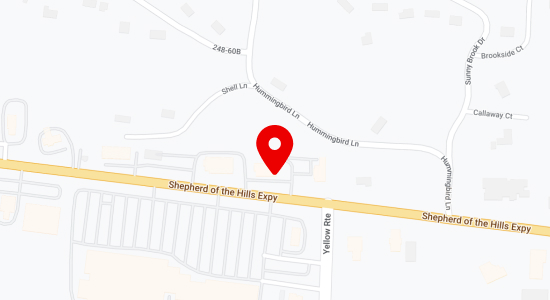
Please note that our law firm's address is for mail correspondence only. We do not accept in-office visits to this location. To schedule an appointment or consult with an attorney, please contact us via phone or email. Our contact information is readily available on our website. We look forward to hearing from you and strive to supply efficient and accessible legal services to our clients.
Ste Q, #451
Branson, MO 65616