- Contact Us Now: (417) 699-0074 Tap Here to Call Us


Can a Criminal Record Be Expunged in Missouri?


Missouri allows certain arrest, charge, and conviction records to be expunged, but the process is neither automatic nor available for every offense. Eligibility depends on the exact crime, the disposition, the time since required obligations were completed, and the person’s record afterward. An expungement order can close qualifying records and restore important rights, subject to exceptions specified in state law.
These distinctions matter when applying for employment, housing, licensing, and educational opportunities. A conviction may remain publicly searchable long after probation ends. Meanwhile, an excluded offense or unresolved obligation may prevent relief even when the incident is old. Filing in the wrong court or omitting an agency that holds records can also leave gaps in the intended result.
Scrivner Law Firm assists clients with Missouri legal matters in Taney, Stone and Christian counties and throughout Southwest Missouri. Attorney Dayrell Scrivner brings decades of legal experience, including approximately two decades as a prosecutor, to evaluating criminal records, interpreting statutory requirements, and identifying which court procedures may be available for a particular case.
Eligibility Begins With the Exact Statute
Missouri Revised Statutes section 610.140 establishes a principal procedure for expunging certain Missouri criminal records. It applies to qualifying matters heard in municipal, associate circuit, and circuit courts, but the statute excludes numerous offenses. A person’s eligibility cannot reliably be evaluated from a general category such as ‘misdemeanor’ or ‘nonviolent offense.’ The precise statute and final court disposition are essential.
The exclusion list includes any class A felony, dangerous felonies as defined by Missouri law, offenses requiring sex-offender registration, felonies with death as an element, felony assault, misdemeanor or felony domestic assault, and felony kidnapping. Section 610.140 also references many specific provisions, including certain weapons and robbery offenses. Some excluded groups have narrow exceptions that must be read directly.
Intoxication-related traffic and boating offenses identified in the statute are also excluded from this particular expungement route. It would therefore be inaccurate to promise that an ordinary DWI conviction is automatically eligible once a waiting period passes. Other forms of Missouri record relief may exist under different statutes, but they should not be confused with section 610.140’s criteria.
Older records can be especially difficult. A charge may have been amended, a case transferred, or a statute renumbered since the original incident. The relevant offense may be excluded through provisions addressing predecessors or successor offenses. Reviewing charging documents, judgments, and docket history is more reliable than relying on an arrest label or a background-check company’s brief description.
The offense of arrest may differ from the offense of conviction. Someone initially accused of a serious crime might ultimately receive a disposition on a lesser offense, while another person may have multiple counts with different eligibility. Each record should be evaluated individually. The analysis should identify precisely which arrest, plea, trial, or conviction records a proposed petition would seek to close.
Waiting Periods Start With Completion, Not Just Arrest
For a qualifying conviction or completed disposition, section 610.140 generally requires at least three years after completion for a felony, and at least one year for a misdemeanor, municipal violation, or infraction. The starting point is the completion of the authorized disposition under the statute. A defendant who finished probation long after a conviction should not casually calculate the period from the earlier judgment date.
The law includes additional conditions. During the relevant waiting period, certain new findings of guilt can matter, with specified exceptions for some traffic-regulation offenses. The applicant generally must satisfy all obligations associated with the disposition, including required fines or restitution, and must have no pending charges. Records confirming discharge or payment are valuable when the person’s memory of the case is incomplete.
An eligible arrest that never produced charges can fall under a separate provision. Section 610.140 addresses applications for qualifying arrest records after an eighteen-month period in the circumstances it describes. The correct legal path depends on whether charges were ever filed, whether a disposition occurred, and the history of the person seeking relief. Not all dismissed cases follow the same route.
Waiting long enough does not eliminate every judgment the court must make. The statute addresses public safety, public welfare, and the interests of justice. It also provides for a rebuttable presumption in qualifying circumstances when the relevant criteria are pleaded and met. Prosecutors may object, and a victim may be heard when a hearing occurs. The statutory framework is more nuanced than an automatic approval after a fixed number of years.
A petition should therefore be supported by accurate proof of what happened after sentencing. Payment receipts, probation discharge orders, and court-account records may establish compliance. A general assertion that the client ‘paid everything’ may not resolve an outdated balance or clerical error. Identifying a discrepancy before filing can prevent avoidable delays and clarify whether an obligation is genuinely outstanding.
Filing in Taney County or the Court That Heard the Case
Section 610.140 generally directs an applicant to the Missouri court in which the person was charged or found guilty of an eligible crime. A special provision addresses qualifying arrest records. People with state cases from the Branson area may need records from Taney County’s Forty-Sixth Judicial Circuit, while a municipal prosecution may have a separate court and case number.
The petition must identify each crime for which expungement is requested, the court and case number, the approximate charge date, and other information specified in the statute. Applicants should gather the complete case record rather than assume every count appears under one docket entry. If charges were amended, the petition should describe the relevant history accurately and without implying that an uncharged event became a conviction.
The statute requires naming agencies and other entities believed to possess the records, including relevant courts, law enforcement, prosecutors, and repositories. An expungement order does not affect a record holder not named as a defendant in the action. This detail can matter where a police department, the court, and a statewide repository maintain different records arising from the same case.
The clerk gives notice of the petition to the appropriate prosecutor. Under section 610.140, the prosecutor can submit an objection within the prescribed period, and the court may hold a hearing to determine eligibility and consider testimony. The court ultimately issues an order granting qualifying relief or dismissing a petition that fails to meet the statutory requirements. False information can have serious procedural consequences.
A person handling more than one case should confirm which court has authority over each record. Filing all requests in one place without checking the statute may cause delay or incompleteness. For a Taney County resident with proceedings in another Missouri county, the former county may not be the correct destination solely because the person lives there now.
What Expungement Changes in the Public Record
When an eligible petition is granted, the statute generally directs named record holders to close covered records and treats designated court files as confidential. This can make a substantial difference in ordinary background searches. The law also provides for restoration of certain civil rights and describes the treatment of an expunged offense in legal proceedings. It is meaningful relief, but its precise effects have limits.
An expungement order does not literally erase every historical reference. Records may remain accessible to particular law enforcement or criminal justice entities under statutory conditions. An expunged offense may be relevant in a later criminal proceeding in circumstances the law allows. Private news stories, websites, or copies outside the ordered records may also require separate attention.
Employment inquiries call for careful distinction. Section 610.140 permits many people with no remaining public crime record to answer certain ordinary employer questions negatively after expungement. But it expressly addresses exceptions involving employers required by law to exclude people with certain convictions. Applicants should not assume that a general rule covers every application or every regulated occupation.
Professional licensing and specific employment categories may demand disclosure notwithstanding an expungement. The statute addresses particular licenses and employment involving certain banks, insurers, law enforcement, and other designated institutions. The right answer depends on the legal disclosure obligation and exact wording of the question. Giving a blanket assurance that the crime never needs to be disclosed would be misleading.
The person should retain a copy of the expungement order and identify which agencies were served. If a commercial background report later displays outdated information, the source of that report matters. The court’s order and the agency’s obligations provide a foundation for seeking accurate records, but the person should not assume that every private database updates immediately.
Lifetime Limits Make Multiple-Case Planning Important
Section 610.140 establishes lifetime limits for relief under that section: generally no more than two felony offenses and three misdemeanors or qualifying ordinance violations with authorized imprisonment, while allowing any number of infractions. A special rule governs qualifying crimes arising from the same course of criminal conduct. The counting rules should be understood before a person submits petitions involving several cases.
An applicant with multiple offenses may have different priorities. Some records may already be confidential under another law, some may be ineligible, and others may have continuing employment consequences. A careful inventory can help determine where a petition would make a meaningful difference. This is not necessarily a reason to wait indefinitely; it is a reason to understand the statutory limits and available options.
A denial can affect the timing of a later attempt. Section 610.140 limits refiling after certain unsuccessful petitions, and knowingly inaccurate information can lead to dismissal. Checking the case history, obligations, and eligibility conditions before filing protects against avoidable errors. The applicant should distinguish a correctable missing document from a substantive statutory bar.
Different forms of post-conviction or record relief have different purposes. Expungement should not be confused with an appeal, pardon, correction of an inaccurate record, or a challenge to an unlawful conviction. A person may need a different legal remedy depending on the objective. Counsel can identify whether closing an eligible record is the appropriate procedure.
For a person whose cases span Taney County and municipal courts, organization matters. Court dispositions, arrest details, restitution records, and the identity of record holders should be gathered before preparing the petition. A complete inventory allows the court to evaluate the requested relief more clearly and helps the applicant understand what the resulting order could actually accomplish.
A useful distinction involves records held by different parts of the justice system. The arresting agency may maintain identification and incident information, while the court maintains pleadings and disposition records. A state repository may have another entry. Even if each record concerns the same occurrence, the statutory order must reach the appropriate holders. Reviewing the case file and agency names before filing helps prevent relief that is technically granted but incomplete in practice. Counsel can also explain what forms of access remain lawful after closure.
Speak With Scrivner Law Firm About Expungement
An expungement petition can become complicated when old records use former statute numbers, several agencies hold files, or a prosecutor questions eligibility. The court must apply exclusion rules, waiting periods, and the statutory criteria rather than simply consider whether a person has moved forward with life. Early legal assistance can help identify which records are eligible and which filing route is appropriate.
Attorney Dayrell Scrivner draws on his background in Missouri criminal practice when evaluating record-related questions. If you are considering an expungement for an arrest or conviction from Taney, Stone or Christian counties, contact Scrivner Law Firm to discuss the case history, statutory conditions, and possible petition. Ask the firm to arrange a private review of your eligibility and next steps.
OUR ADDRESS
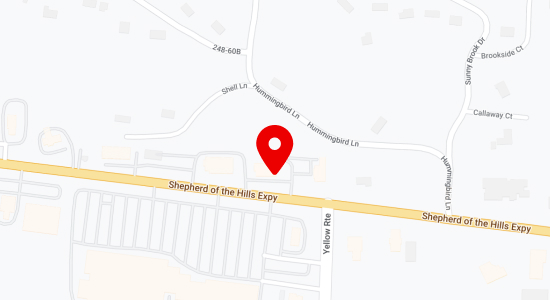
Please note that our law firm's address is for mail correspondence only. We do not accept in-office visits to this location. To schedule an appointment or consult with an attorney, please contact us via phone or email. Our contact information is readily available on our website. We look forward to hearing from you and strive to supply efficient and accessible legal services to our clients.
Ste Q, #451
Branson, MO 65616