
Former Prosecutor
of 20 Years on
Your Side
of 20 Years on
Your Side







In Missouri, an order of protection is a serious court order with immediate legal force. Once it is issued, whether on an emergency basis or after a hearing, every term of that order must be followed exactly. Violating an order of protection is not treated as a technical mistake or a private family matter. It can lead to arrest, criminal charges, jail time, and long-term consequences that extend far beyond the original dispute.
Many people accused of violations did not intend to break the law. They believed they were resolving a misunderstanding, responding politely, or handling practical issues involving children, property, or finances. Unfortunately, Missouri courts do not view violations through that lens. Even minor or indirect contact can result in criminal prosecution.
Scrivner Law Firm represents individuals throughout Southwest Missouri who are accused of violating orders of protection, as well as those defending against the underlying orders themselves. The firm is led by Dayrell L. Scrivner, a former prosecutor who understands how quickly these cases escalate and how they are evaluated by law enforcement and judges.
Missouri orders of protection are governed by Chapter 455 of the Missouri Revised Statutes. These orders are designed to prevent domestic violence, stalking, sexual assault, and similar conduct. While the intent is protective, the scope of these orders is often broader than people expect.
An order of protection is enforceable statewide and must be followed regardless of personal feelings, reconciliation attempts, or informal agreements between the parties.
An ex parte order of protection can be issued without the respondent present. A judge may issue one when the court finds an immediate and present danger of abuse or harm. These orders often take effect the same day they are entered and can remain in place until a full hearing is held.
Because the respondent is not present when the order is issued, confusion is common. However, once you are served or otherwise made aware of the order, its restrictions apply immediately. Claiming you did not have time to adjust your routine is rarely a successful defense.
A full order of protection is issued after a court hearing where both sides may present testimony and evidence. If granted, it becomes a court judgment that can last for a significant period of time, often up to one year, and sometimes longer if extended.
Full orders frequently include more detailed restrictions and are taken very seriously by courts. Violations of full orders often carry enhanced penalties, especially if there is a prior violation history.
Orders of protection may prohibit all contact or limit contact to specific circumstances. They may require one party to stay away from a home, workplace, school, or other locations. Some orders impose distance requirements, restrict communication through third parties, limit social media activity, and address temporary custody or visitation with children.
The exact wording of the order matters. A single sentence can determine whether certain conduct is allowed or prohibited. Reading the order carefully is critical.
A violation occurs when a person knowingly disobeys any term of an active order of protection. Violations are not limited to physical violence. Many cases involve everyday actions that seem harmless but fall squarely within the order’s prohibitions.
If an order prohibits contact, sending a text message, making a phone call, leaving a voicemail, or sending an email can all constitute violations. Even a short or polite message can be enough.
Responding to contact initiated by the protected party can also be a violation, depending on how the order is written. Courts generally expect the restrained party to avoid contact entirely unless the order explicitly allows it.
Many orders prohibit contact “directly or indirectly.” This means asking friends, family members, or coworkers to pass along messages can result in a violation. Using children, social media posts, or public comments to send messages may also be considered indirect contact.
Orders often prohibit being present at certain locations. Going to the protected person’s home, workplace, or school, even briefly, can trigger an arrest. Driving by repeatedly or lingering nearby may also be treated as a violation.
These cases often arise from attempts to retrieve personal belongings or resolve logistical issues. Unfortunately, courts expect those matters to be handled through legal channels, not personal visits.
Orders of protection frequently include temporary custody provisions. Failing to follow those provisions, including refusing to surrender a child as ordered or showing up at unauthorized times or locations, can result in immediate arrest.
Because emotions run high in these situations, child-related violations are among the most aggressively enforced.
Missouri law gives law enforcement broad authority to act when a violation is reported. Officers are not required to mediate disputes or give warnings.
Police may rely on copies of the order from various sources and are instructed to treat these calls with the same seriousness as other criminal allegations. If an officer believes a violation occurred, arrest is a very real possibility.
Attempting to explain or justify your actions at the scene rarely resolves the issue. Statements made during these encounters often become evidence in later proceedings.
Violating an order of protection is a criminal offense in Missouri, not merely a civil matter.
A first violation of a full order of protection is generally charged as a Class A misdemeanor. A conviction can result in jail time, fines, probation, and mandatory counseling or treatment programs.
If a person has a prior plea or finding of guilt for violating an order of protection within the previous five years, a subsequent violation can be charged as a felony. Felony charges significantly increase the stakes and can carry long-term consequences that affect civil rights and employment opportunities.
One of the most common misconceptions is that a violation is excused if the protected party initiated contact or agreed to meet. In most cases, that is not true.
Only the court can modify or dissolve an order of protection. Until that happens, the order remains fully enforceable regardless of the parties’ personal intentions. Relying on informal permission is one of the fastest ways to end up facing criminal charges.
The impact of a violation often extends beyond the criminal case itself.
Courts may tighten the terms of the order, extend its duration, or impose additional restrictions. In family law matters, a violation can negatively affect custody determinations and parenting time.
Employment and housing consequences are also common. Background checks may reveal orders of protection and violation charges, leading to lost job opportunities or housing denials. In smaller communities, reputational damage can be immediate and lasting.
Orders of protection can also affect firearm ownership. Certain orders trigger federal restrictions on possessing firearms and ammunition while the order is in effect.
Violating those restrictions can expose a person to additional charges beyond the state case. Anyone who owns or has access to firearms should seek legal guidance immediately when an order of protection is issued.
Many violations occur because people rely on routine or emotion instead of strict compliance. Returning home for personal items, responding to messages out of courtesy, attending events where the protected person might be present, or posting about the situation online are all common triggers for allegations.
Courts expect respondents to change their behavior completely while an order is in place. Assuming flexibility where none exists often leads to serious consequences.
If you are accused of a violation, your response matters.
Stop all contact immediately. Preserve evidence such as messages, call logs, and location data without altering or deleting anything. Obtain a copy of the order and read it carefully. Most importantly, speak with an experienced criminal defense attorney before making statements or attempting to resolve the situation on your own.
Early legal guidance can prevent small issues from becoming permanent problems.
Allegations involving orders of protection and violations move quickly and are often emotionally charged. A single accusation can result in arrest, restrictive bond conditions, and a criminal record before a person fully understands what happened. Scrivner Law Firm, LLC represents clients facing both civil orders of protection and criminal violation charges. With experience on both sides of the courtroom, the firm understands how prosecutors evaluate these cases, how evidence is typically presented, and where defenses may exist.
Representation often requires addressing multiple proceedings at the same time. A violation charge may be pending in criminal court while the order of protection remains active in another division. Actions taken in one case can directly impact the other. Scrivner Law Firm works to protect clients on both fronts by analyzing the language of the order, challenging whether the alleged conduct actually constitutes a violation, and advocating for reasonable outcomes that protect clients’ rights and futures.
If you have been accused of violating an order of protection, or if you believe a misunderstanding could lead to criminal charges, do not wait. Contact Scrivner Law Firm as soon as possible to discuss your situation and your options. Early intervention can make a critical difference. Call us today to schedule a confidential consultation and get guidance from a defense attorney who understands how these cases are charged and defended.
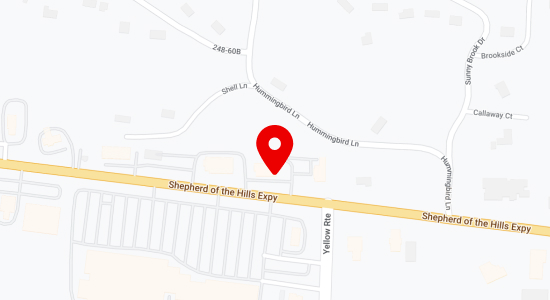
Please note that our law firm's address is for mail correspondence only. We do not accept in-office visits to this location. To schedule an appointment or consult with an attorney, please contact us via phone or email. Our contact information is readily available on our website. We look forward to hearing from you and strive to supply efficient and accessible legal services to our clients.
Branson, MO 65616