
Former Prosecutor
of 20 Years on
Your Side
of 20 Years on
Your Side







If you have an arrest or conviction on your record, job searching in Missouri can feel like you are carrying a label you cannot peel off. Some employers will move on as soon as they see a charge. Others will look deeper and ask what happened, how long ago it was, and whether it actually relates to the job. The frustrating part is that the rules are not the same everywhere. The type of record matters. The industry matters. Where you are applying matters. Even the way a background check is run can change what shows up and what an employer must do before turning you down.
At Scrivner Law Firm, attorney Dayrell L. Scrivner brings the perspective of a former prosecutor with decades of experience, including years in Stone County as Chief Assistant Prosecutor, and now focuses his practice on helping people in Southwest Missouri move forward after criminal accusations and convictions.
Most employers are not trying to punish you twice. They are trying to reduce risk.
Some employers worry about safety, theft, or workplace conflict. Others fear liability if they hire someone with a known history of violence or dangerous conduct and someone gets hurt. Missouri courts recognize negligent hiring and related claims when an employer knew or should have known about an employee’s dangerous tendencies and the hiring decision leads to foreseeable harm. That legal reality is one reason many employers run background checks and take certain convictions seriously.
There is also a compliance angle. In some fields, state or federal law requires background screening, disqualifies applicants with specific offenses, or limits where someone can work. Healthcare, childcare, certain education roles, and positions involving vulnerable adults are common examples, and Missouri law includes background check and disqualification rules for certain licensed providers.
An arrest is not a conviction. A charge can be dismissed. A case can end in an acquittal. But background checks do not always communicate context well, and employers may not understand what they are looking at unless they slow down and ask questions.
Federal enforcement guidance from the EEOC stresses that an arrest, by itself, does not prove criminal conduct occurred, and employment exclusions based only on an arrest are generally not considered job related in the way a conviction analysis can be.
Employers tend to focus on outcomes: guilty plea, conviction after trial, suspended imposition of sentence, probation, or jail time. They also focus on patterns, such as multiple alcohol related driving offenses, repeated theft allegations, or escalating conduct.
If your record contains old entries with unclear dispositions, it is worth getting your own copy of relevant court and criminal history information so you can explain accurately rather than guessing during an interview.
People often hear “ban the box” and assume it is statewide. In Missouri, it is more complicated.
Cities throughout the state have adopted local rules restricting when many employers can ask about criminal history and adding requirements around how criminal history can be used in hiring decisions. Other cities and employers may have their own policies, but there is not one single Missouri rule that applies the same way everywhere.
That means your strategy should change depending on where you are applying. A job in Kansas City can involve a different timeline for disclosure than a job in Branson, Ozark, Nixa, or elsewhere in Taney, Stone, or Christian County.
Criminal history screening can raise discrimination issues even when an employer is not trying to discriminate. Under Title VII, a policy that disproportionately excludes applicants of a protected group can be challenged if it is not job related and consistent with business necessity.
A landmark case from the Eighth Circuit, Green v. Missouri Pacific Railroad, criticized the use of conviction records as an automatic bar to employment and is frequently cited in discussions of fair hiring and individualized assessment. The EEOC’s guidance similarly emphasizes tailoring screening to the job, considering the nature of the offense, the time that has passed, and the nature of the work.
What this means in real life is that many larger employers are trained not to use blanket rules like “any felony, ever” and are more likely to ask follow up questions about relevance and recency.
If an employer uses a third party consumer reporting agency to run a background check, the Fair Credit Reporting Act (FCRA) can require a specific process before the employer takes adverse action based on the report. This includes notices and information about your ability to dispute inaccuracies.
Not every background check triggers the FCRA, but many do. This is one reason it is important to ask what report the employer relied on if you believe the information was wrong, outdated, or belonged to someone else.
Missouri’s expungement law can be life changing for employment. Under § 610.140, once an expungement is granted, the statute says the person may answer “no” to an employer’s inquiry about whether they have been arrested, charged, or convicted, as long as they have no public record of a crime after expungement.
There is an important exception: if an employer is required by state or federal law to exclude applicants with certain convictions, the applicant must still disclose even expunged convictions. In practice, regulated industries and positions involving vulnerable populations are where this issue appears most.
Missouri also provides a path to expunge certain arrest records when statutory requirements are met, including situations involving lack of probable cause and other conditions. If you were arrested but never charged, or the case ended in dismissal, this kind of relief can matter because some employers treat an arrest record like a red flag even when it should not carry that weight.
Missouri law also contains provisions dealing with closed records in certain situations, including older suspended imposition of sentence cases under specific circumstances. The practical effect is that some records become less visible to the public, but may still be accessible in limited ways for law enforcement or certain licensing decisions.
Because record relief rules are technical and depend on the offense, the date, and the outcome, it is usually a mistake to assume you are “not eligible” without having a lawyer review the exact disposition and statute.
Employment outcomes often depend less on the fact of a record and more on the job category. A nonviolent drug possession conviction may be viewed one way in a warehouse position and another way in a job involving controlled substances, driving, or vulnerable clients.
Missouri law requires criminal background checks for certain licensed providers and includes restrictions on hiring people with specific criminal histories in those settings. These employers are more likely to require fingerprints, more likely to ask for detailed disclosures, and less likely to have flexibility if the disqualifying offense fits the statute.
Even where the law does not impose an absolute ban, schools and youth programs often apply strict screening standards. Employers may also worry about negligent hiring exposure if a person later harms a child or student, which can lead to more conservative decisions.
DUIs, driving while revoked, and repeated traffic offenses can impact commercial driving jobs and even non CDL roles that require regular driving. Employers may also look at insurance eligibility, which can be a hidden barrier even when the employer is otherwise open to hiring.
Theft offenses, fraud, and certain white collar convictions tend to cause more trouble in jobs involving cash handling, bookkeeping, or access to sensitive financial information.
When employers do not apply an automatic rejection, they often focus on a few themes.
They consider how long ago the conduct occurred. Time matters because it can show rehabilitation and reduce perceived risk.
They look at the nature of the offense. Violence, sexual offenses, and crimes involving breach of trust tend to carry heavier weight than minor nonviolent offenses.
They consider whether the conviction relates to job duties. A drug conviction may be viewed differently in a healthcare setting than in a manufacturing role. A driving offense is more relevant when driving is central to the job.
They also pay attention to honesty. A surprising number of candidates lose opportunities not because of the record itself, but because an employer believes the applicant tried to hide it. The safest approach is to be truthful, but strategic, and to know when you can legally answer “no” because of expungement or closed record protections.
Before you start submitting applications everywhere, get clarity on what is actually on your record. Many people carry around a misunderstanding of what the disposition was or what shows up publicly. Accuracy gives you control.
If an employer asks about a conviction, your goal is not to relitigate the case. Your goal is to show insight, stability, and relevance.
A strong explanation is usually brief, specific, and forward looking. It addresses what happened, what changed, and why it will not happen again. It also avoids blaming others or minimizing serious conduct.
If you are eligible for expungement, waiting can be expensive. Each missed job opportunity is a cost. Missouri’s expungement statute specifically addresses the effect on employer inquiries, which is why record relief can have a direct employment payoff.
When a third party consumer reporting agency is involved, the FCRA provides a framework for disputing inaccuracies, and employers typically must follow notice steps before relying on the report to deny employment. If the report is mixing you up with someone else, showing an expunged case, or listing a disposition incorrectly, a dispute can make a real difference.
Employment damage often begins before a case is over. The decisions made early in a criminal case can affect what ends up on your record and how employers perceive you for years.
A defense attorney can sometimes pursue outcomes that reduce long term employment consequences, such as dismissals, reductions to non disqualifying offenses, or resolutions that preserve eligibility for later expungement depending on the charge and facts.
Scrivner Law Firm’s approach is grounded in deep local experience and an understanding of how prosecutors build cases and how local courts operate in Taney, Stone, and Christian Counties. When your goal is not only avoiding jail but also keeping your career intact, that perspective matters.
Yes. In many jobs, a misdemeanor can still affect hiring. The bigger question is whether the employer treats it as an automatic disqualifier or considers context, job relevance, and time since the offense.
It happens, even though it is often unfair and can raise legal concerns depending on how the employer uses the information. The EEOC guidance warns against treating arrests as proof of conduct. If the arrest record is eligible for expungement, that may be a path to reduce ongoing harm.
Missouri’s expungement statute says that after expungement, a person may answer “no” to employer inquiries in many circumstances, with important exceptions for jobs where law requires exclusion based on certain convictions.
Risk, liability concerns, industry rules, and insurance requirements often drive these decisions. Negligent hiring law is one reason some employers become cautious about known dangerous tendencies.
At Scrivner Law Firm, we help clients use Missouri’s expungement laws to remove eligible arrests, charges, and convictions from the public record. An expungement can be a turning point for employment because, once granted, Missouri law often allows you to legally answer “no” when an employer asks about past criminal history. This shifts the focus of hiring decisions away from old mistakes and back to your skills, experience, and work ethic.
Expungement is not automatic and eligibility depends on the offense, the outcome of the case, waiting periods, and whether there have been any new public records. Scrivner Law Firm carefully reviews your full criminal history, confirms eligibility, prepares and files the proper petitions, and represents you in court to present a clear and accurate request for relief. This attention to detail helps avoid delays or denials that can keep a record visible longer than necessary.
The employment impact can be significant. With an expunged record, many employers will no longer see past cases on background checks, increasing your chances of getting interviews, job offers, and promotions. If your criminal record is holding you back at work or in your job search, contact Scrivner Law Firm today to discuss whether expungement can help you move forward and compete on equal footing in the Missouri job market.
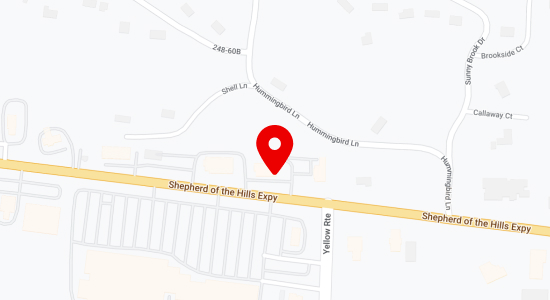
Please note that our law firm's address is for mail correspondence only. We do not accept in-office visits to this location. To schedule an appointment or consult with an attorney, please contact us via phone or email. Our contact information is readily available on our website. We look forward to hearing from you and strive to supply efficient and accessible legal services to our clients.
Branson, MO 65616